German Release on: Elektra 960 829 EKT 59
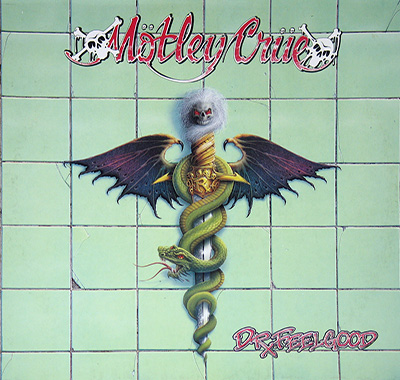
Mötley Crüe's Dr. Feelgood is a German pressing on 12" vinyl, released in 1989 by Elektra (catalogue #s 960 829 EKT 59). It's their fifth album and features the band's original lineup, including Vince Neil on vocals. This hard rock record is known for its hit title track and is considered Mötley Crüe's last album with Neil until 1997.
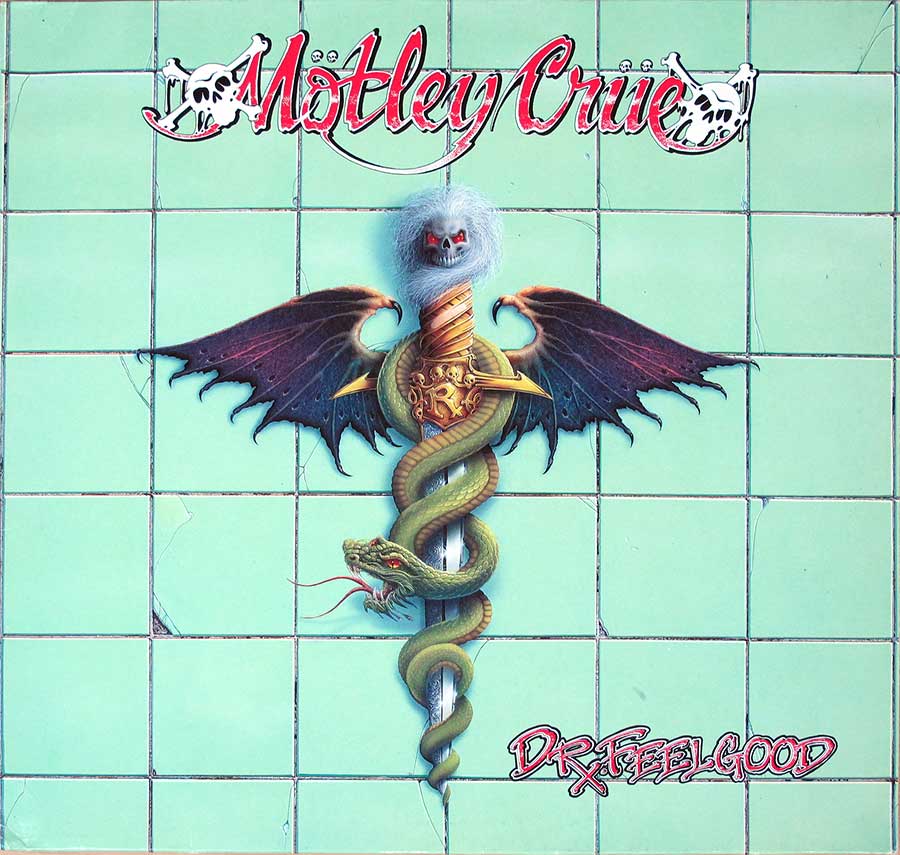
Motley Crue's 1989 masterpiece, "Dr. Feelgood." This ain't just another hair metal album, kids. It's a sonic sucker punch straight to the gut of the Sunset Strip, a declaration of war against the critics who dismissed them as a bunch of spandex-clad clowns.
Released at the tail end of the hair metal bacchanalia, when the scene was teetering on the brink of self-parody, "Dr. Feelgood" was a defiant middle finger to the naysayers. The title track, an anthem of hedonistic abandon, became an instant radio staple, its infectious chorus worming its way into the collective consciousness of a generation teetering on the edge of adulthood.
But beneath the surface, there's more to this album than just catchy hooks and raucous energy. Bob Rock, the production wizard behind the boards, captured the raw power of the band's live performances, injecting a layer of polish that elevated their sound to new heights. Recorded at Vancouver's Little Mountain Sound Studios, the album's sonic landscape was a far cry from the thin, tinny production that plagued many of their contemporaries.
From the opening salvo of "T.N.T. (Terror 'N Tinseltown)" to the closing ballad "Time for Change," "Dr. Feelgood" is a masterclass in controlled chaos. Nikki Sixx's bass lines throb with a primal intensity, Tommy Lee's drumming is a relentless barrage of percussive fury, Mick Mars' guitar riffs slice through the mix like a rusty razor, and Vince Neil's vocals are a snarling testament to the band's unrepentant spirit.
Lyrically, the album doesn't shy away from the tropes of sex, drugs, and rock and roll, but it also delves into darker territory. Songs like "Slice of Your Pie" and "Rattlesnake Shake" explore the seedy underbelly of the Sunset Strip, while "Kickstart My Heart" chronicles Sixx's near-fatal overdose. It's a raw, unflinching look at the band's own struggles with addiction, a stark reminder that the party can't last forever.
Of course, Motley Crue's music was never far removed from controversy. Their outrageous stage antics, fueled by a seemingly endless supply of Jack Daniels and cocaine, often overshadowed their musical accomplishments. But with "Dr. Feelgood," they proved they were more than just a circus act. They were a force to be reckoned with, a band that could deliver the goods both on and off the stage.
So crank up the volume on that Elektra 960 829 EKT 59 pressing, let the music wash over you, and remember a time when Motley Crue ruled the world. They may have been a mess, but they were our mess, and we wouldn't have it any other way.
Music Genre: Glam Rock / Heavy Metal |
Album Production Information: The album: "Dr Feelgood" by Motley Crue was produced by: Bob Rock The studio wizard who helped turn hard rock into stadium-sized thunder (and even grabbed a bass for Metallica when the job got awkward). Read more... Bob Rock, I file his name under "the guy who makes bands sound like they bench-press mountains." He cut his teeth at Vancouver's Little Mountain Sound Studios (starting in 1976), then graduated from behind-the-glass detail freak to full-on hit-forge producer. As a performer he wasn't just a studio shadow: he was in Payola$ (formed 1978), teamed up as Rock and Hyde (1987), released music with Rockhead (1991), and in the ultimate "wait, what?" moment he played all the bass parts on Metallica's "St. Anger" and even served as their live bassist from Jason Newsted's 2001 exit until Robert Trujillo joined in February 2003. Production-wise, his fingerprints are all over huge, loud turning points: Mötley Crüe's "Dr. Feelgood" (1989), The Cult's "Sonic Temple" (1989), and Metallica's self-titled "Black Album" (1991) are basically proof that polish and punch can coexist without filing off the danger. He is the rare producer who can make a band sound bigger without making them sound fake, which is a small miracle in rock history.Bob Rock Wiki Sound/Recording Engineer(s): Randy Staub, Bob Rock
George Marino - Mastering When my site brain goes full 1980s metal mode, his name keeps showing up like a hidden signature in the dead wax. Read more... George Marino is one of those behind-the-glass legends who made heavy music feel larger than the room it was playing in. Before the mastering console became his throne, he was a Bronx guitarist doing the NYC band grind in the 1960s with groups like The Chancellors and The New Sounds Ltd. Then he went pro for real: starting at Capitol Studios in New York (1967), and eventually becoming a long-running force at Sterling Sound (from 1973 onward). For a collector like me—living in that sweet spot where 1980s heavy metal, hard rock, and a dash of prog-minded ambition collide—Marino’s credits read like a stack of essential sleeves: Holy Diver (Dio), Tooth and Nail (Dokken), Stay Hard (Raven), Master of Puppets (Metallica), Somewhere in Time (Iron Maiden), Among the Living (Anthrax), Appetite for Destruction (Guns N’ Roses), Slippery When Wet (Bon Jovi), and Blow Up Your Video (AC/DC). That’s the kind of resume that doesn’t just “master” records—it weaponizes them, but with taste. George Marino Wiki Randy Staub - Sound Engineer Don Brautigam - Album artwork The American illustrator who painted Metallica’s “Master of Puppets” (1986) and then kept popping up on heavy hitters: Anthrax (1987–1990), Mötley Crüe (1989), and AC/DC (1990). Read more... Don Brautigam, I think of him as the rare visual storyteller who could bottle a band’s whole atmosphere into one frozen scene. He was an American painter/illustrator and graphic designer (active roughly 1974–2008), known for mixing acrylic painting with airbrush polish until the image felt unreal in the best way. His “periods” with bands read like a timeline of loud history: early credits include James Brown’s “The Payback” (1973) and “Reality” (1974), then Chuck Berry’s “Rockit” (1979), before the metal era hit like a brick through a stained-glass window. In 1986 he painted Metallica’s “Master of Puppets,” then followed with Anthrax’s run of covers — “Among the Living” (1987), “State of Euphoria” (1988), and “Persistence of Time” (1990) — before landing the big glossy menace of Mötley Crüe’s “Dr. Feelgood” (1989) and AC/DC’s “The Razors Edge” (1990). The wild part is how his art doesn’t just decorate the music; it sets the mood before the needle even drops.
|
Record Label & Catalognr: Elektra 960 829 EKT 59 |
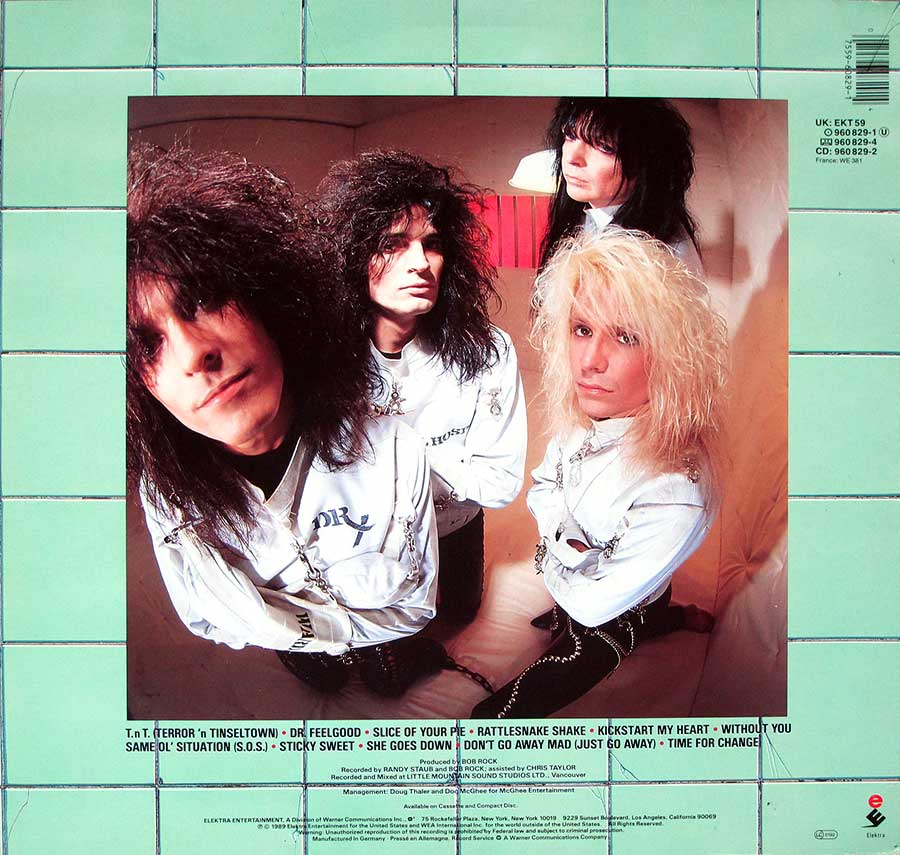
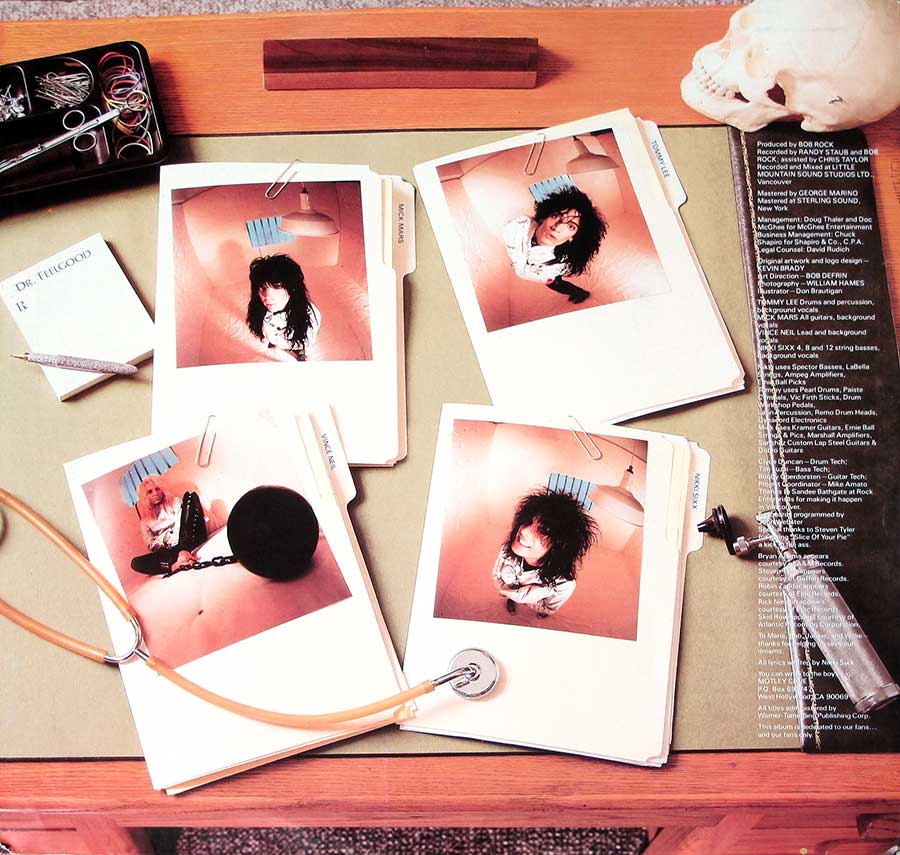
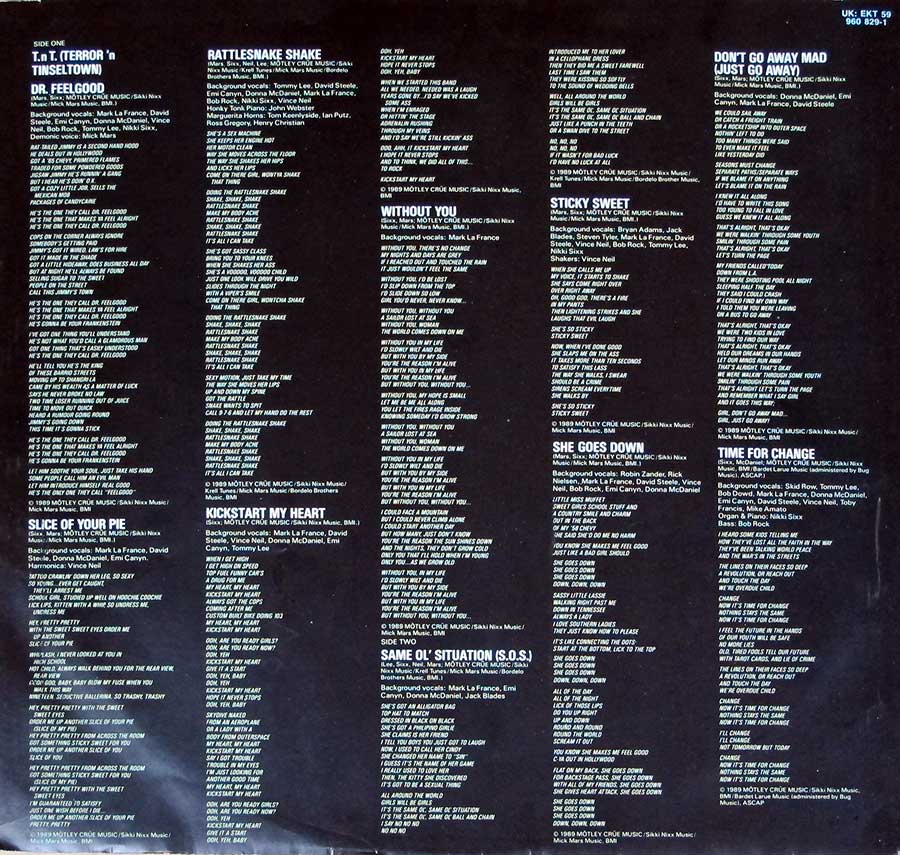
Packaging: This album "Dr Feelgood" by Motley Crue includes the original custom inner sleeve with album details, complete lyrics of all songs by and photos. |
Media Format: 12" Vinyl Stereo Gramophone RecordTotal Album (Cover+Record) weight: 230 gram |
Year & Country: 1989 Made in Germany |
Band Members and Musicians on: Motley Crue - Dr Feelgood |
|
Complete Track Listing of: "Dr Feelgood" by Motley Crue |
The Song/tracks on "Motley Crue Motley Crue Dr Feelgood " are
|
Note: The photos on this page are taken from albums in my personal collection. Slight differences in color may exist due to the use of the camera's flash. Images can be zoomed in/out ( eg pinch with your fingers on a tablet or smartphone ).
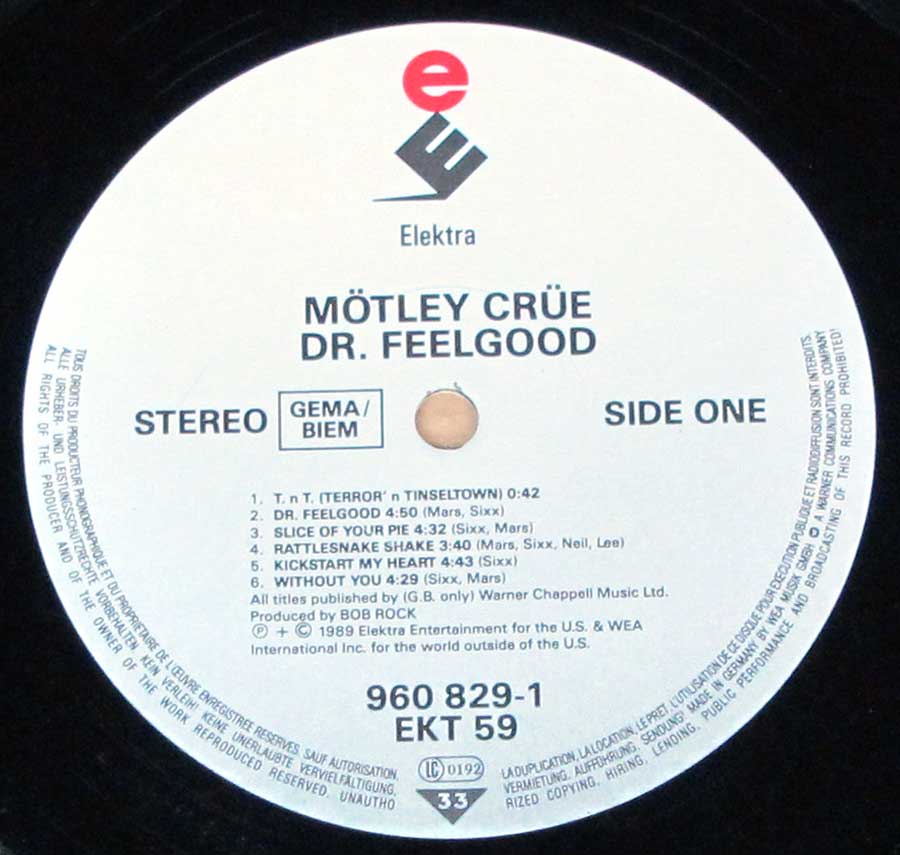
"Dr Feelgood German Release" White Colour ELEKTR ARecord Label Details: Description © Copyright ℗ Sound Copyright
Dr. Feelgood which is the fifth album by the American glam metal band Mötley Crüe, released on September 1, 1989. This is the last album to feature Vince Neil until his return for their 1997 album Generation Swine.
- Dr Feelgood (1988, EEC European Economic Community) - Dr Feelgood (1989, Germany)
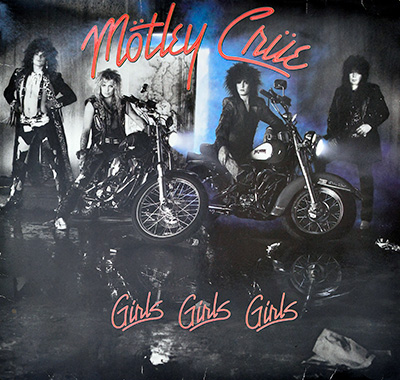
"Girls, Girls, Girls" is their fourth studio album, released on 15 May 1987 The record features a more blues-influenced sound than their previous album and contains the hits "Wild Side" and "Girls, Girls, Girls
Girls, Girls, Girls (European Release) Girls, Girls, Girls (Italian Release) Girls, Girls, Girls (USA Release)Shout is a textbook example of glam metal as it existed in the 80s. Song topics included sex, violence, drugs, and youthful rebellion. In addition, the visual influence of the band in this era was palpable as their massive hair
- Shout at the Devil (1983, Canada) - Shout at the Devil (1983, Germany)
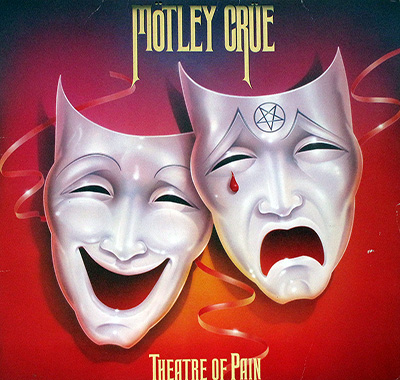
"Theatre of Pain" is the third album by the glm metal band Mötley Crüe, released on June 21, 1985. Released in the aftermath of singer Vince Neil's arrest for manslaughter on a drunk driving charge
- Theatre of Pain (1985, Canada) - Theatre of Pain (1985, Germany) - Theatre of Pain ( 1988 USA )
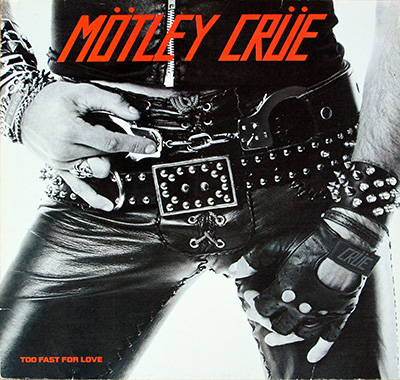
"Too Fast For Love" which is the debut record of American heavy metal band Mötley Crüe; originally 900 copies were released in November 1981 on the band's Leathür Records label. Elektra Records signed the band the following year, at which point the album was remixed and partially re-recorded.
- Too Fast For Love (No Title, 1982, Germany) - Too Fast for Love (Orange Label, 1982, Germany) - Too Fast For Love (1982, Italy)