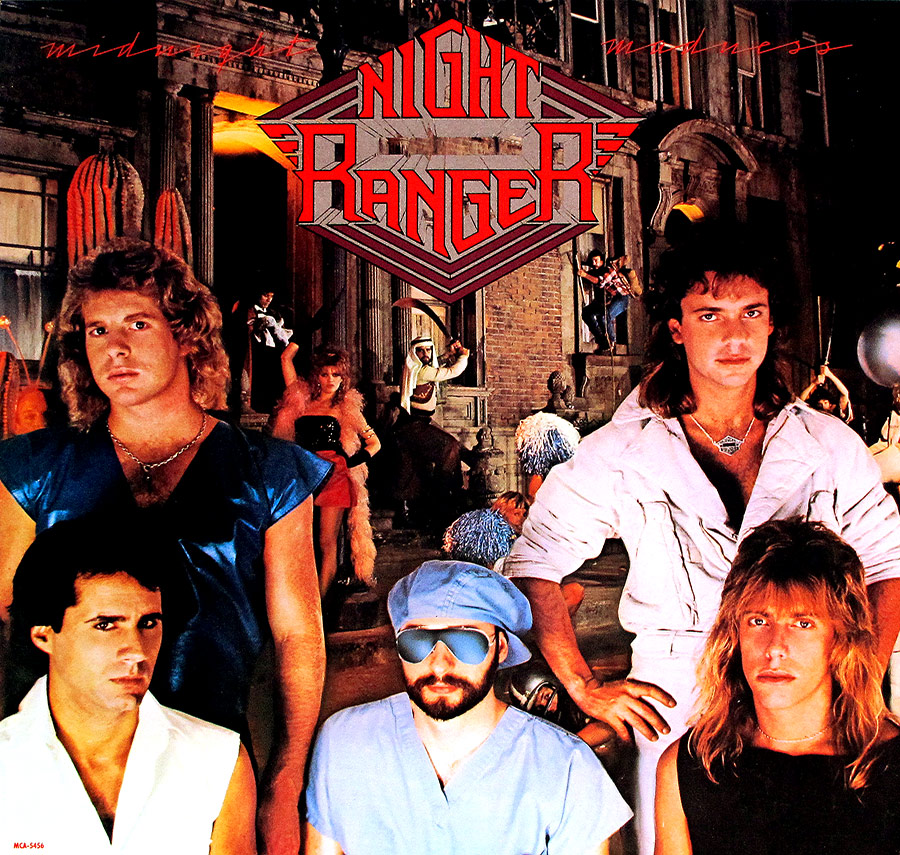
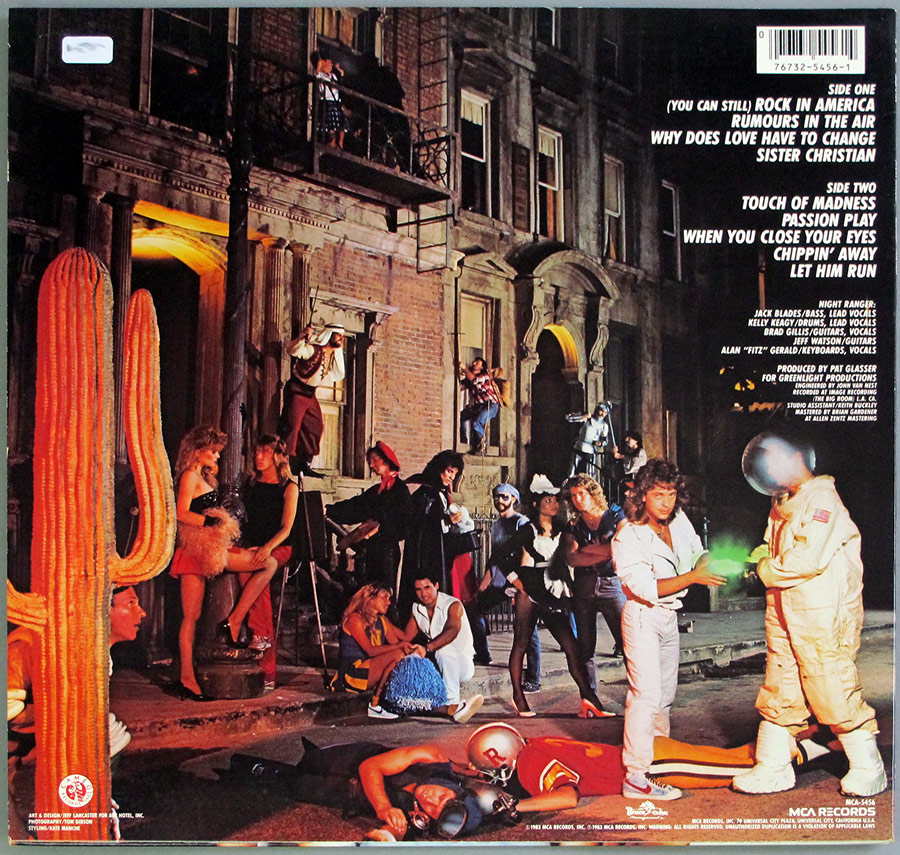
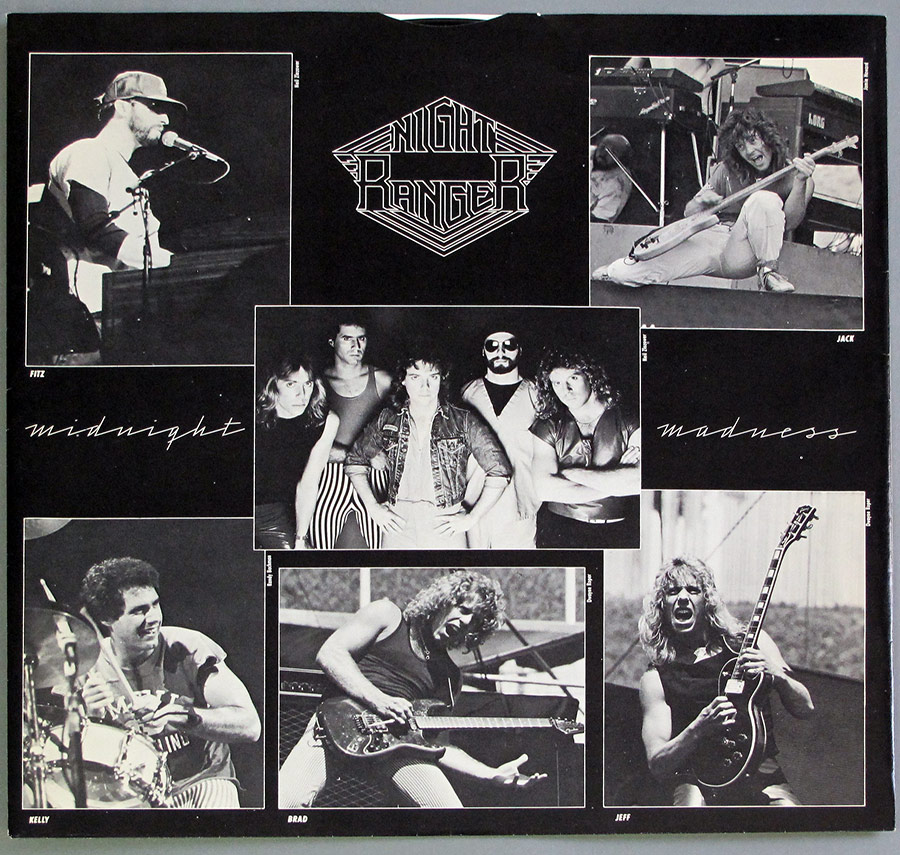
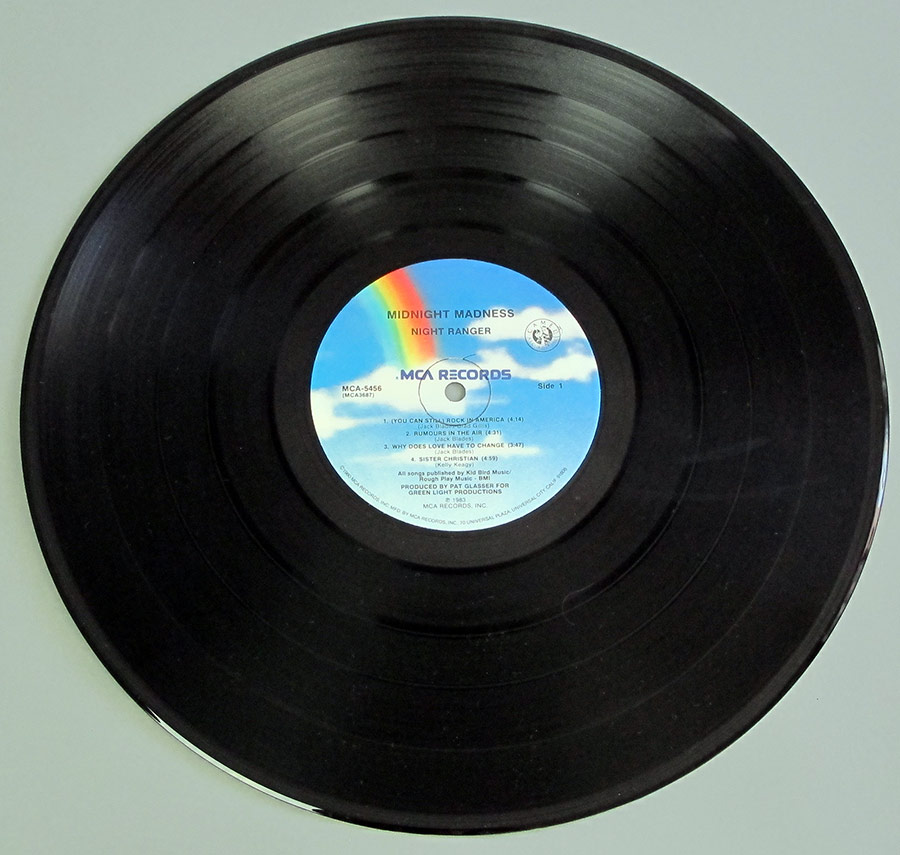
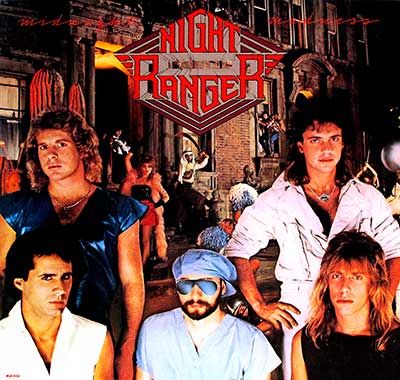
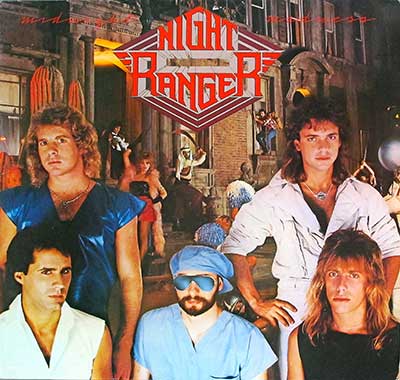
"Midnight Madness" (1983) Album Description:
1. Night Ranger, hitting the gas at exactly the right hour
"Midnight Madness" is Night Ranger locking into that sweet 1983 spot where hard rock still had bite, but radio demanded hooks you could whistle while pretending you were too tough to whistle. It is their second album, and it sounds like a band that learned fast, toured hard, and came back hungrier. The wild part is how it feels both bigger and tighter at the same time, like they upgraded from club sweat to arena floodlights without losing the grin.
2. 1983 USA: the era of loud hair, louder choruses, and MTV-sized ambition
In the USA of 1983, rock was getting shinier, louder, and way more camera-ready, and Night Ranger clearly understood the assignment. The scene was full of bands trying to sound massive, not just heavy, because the decade was basically built for choruses that could bounce off sports arenas. "Midnight Madness" lands right in that cultural crosswind: hard rock muscle, pop precision, and a little midnight drama for flavor.
3. How they got here: second-album pressure, but make it look effortless
This record arrives right after their debut, and you can hear that classic second-album reality: expectations, momentum, and the quiet fear of being “the band with one good start.” They recorded it in Los Angeles at Image Recording (The Big Room), which fits the vibe perfectly: bright, cinematic, and built to travel fast. Producer Pat Glasser steers the ship without sanding off the edges, letting the band sound confident instead of carefully behaved.
4. The sound: glossy hard rock with a blade hidden in the sleeve
Night Ranger’s 1983 hard rock recipe is all about contrast: sharp riffs, big harmonies, and enough keyboard color to make the choruses glow without turning them into bubblegum. The guitars don’t just shred for sport; they slice and decorate, like neon signs that also happen to be weapons. And because there are two lead vocalists in the mix, the album keeps shifting its emotional temperature without ever losing the plot.
5. Standout moments: anthems, heartbreak, and that one song that refuses to age
“(You Can Still) Rock in America” kicks the door in with pure fist-up optimism, the kind that smells faintly of denim and bad decisions in a parking lot. Then “Sister Christian” shows up and basically hijacks the room, proving Night Ranger could do tender without going limp. “When You Close Your Eyes” sits in that perfect middle ground: melodic, dramatic, and unashamedly built to stick in your head for three days straight.
6. How it stacks up in its year and genre
1983 was not a gentle year for rock bands who couldn’t deliver the goods, because the competition was fierce and the audience had zero patience. Compared to other heavy-hitters of the moment, Night Ranger lean more melodic and emotional, but they keep the guitars front and center so it still punches. If you want a quick vibe-check against the era’s big statements:
- Def Leppard - "Pyromania": slick, explosive, built like a hit factory.
- Quiet Riot - "Metal Health": rowdy, loud, and made for mass singalongs.
- Dio - "Holy Diver": darker, mythic, and heavier in a different way.
7. Controversies or public reactions: the “too soft / not soft enough” paradox
There’s no big scandal hanging off this album like a tabloid accessory, but it absolutely invited the usual genre drama. Some hard rock purists heard a power ballad and yelled “sellout” on principle, while the radio crowd happily turned it up and ignored the yelling. The funny truth is that "Midnight Madness" works because it refuses to pick just one lane.
8. Band dynamics: twin engines, one dashboard, and a lot of high-beam confidence
With the lineup built around big melodies, dual lead vocals, and that twin-guitar sparkle, the band’s identity is basically a balancing act done at full speed. You can hear the push-and-pull between tougher rock instincts and the urge to write songs that could survive outside the loud room. Even the little extra touch of Glenn Hughes adding backing vocals on “(You Can Still) Rock in America” feels like a wink from the wider rock universe: yes, this one matters.
9. Reception and legacy: why collectors keep coming back to this sleeve
"Midnight Madness" became Night Ranger’s highest-selling album in the US, and the million-plus story makes sense when you hear how cleanly it lands its hooks. Back then it was a hit machine with heart; now it feels like a time capsule that still has electricity in it. Decades later, the riffs still smell faintly of beer, sweat, and misplaced optimism, and honestly, that’s kind of the point.
10. Closing thought: midnight isn’t a time, it’s a mood
As a collector, I love records like this because they remind me that “mainstream” can still have personality, grit, and a pulse. "Midnight Madness" is the sound of a band aiming for the big leagues without forgetting how to throw a punch. Put it on, let the choruses do their thing, and accept that 1983 knew exactly what it was doing.