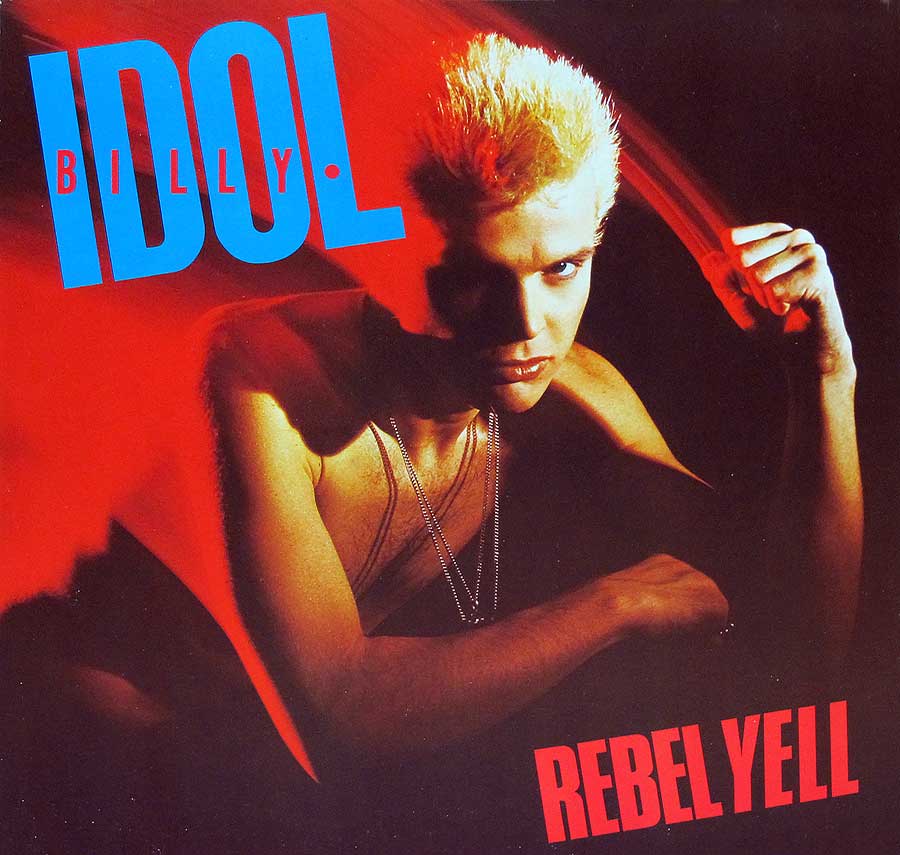
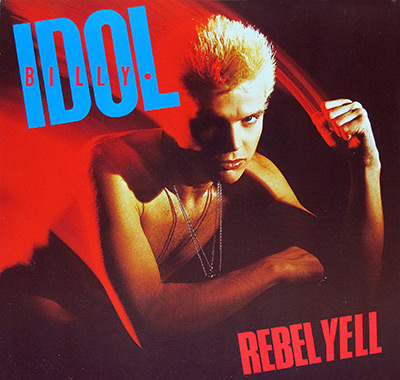
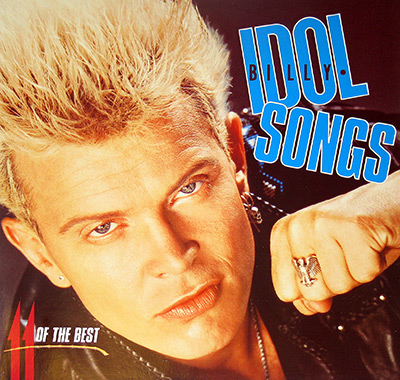
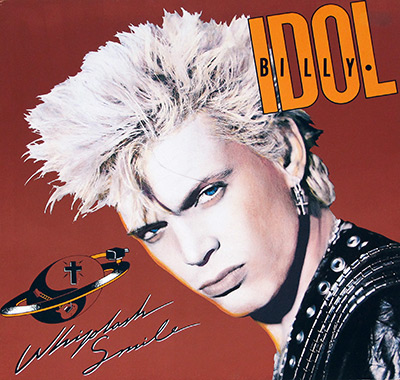
"Rebel Yell" (1983) Album Description:
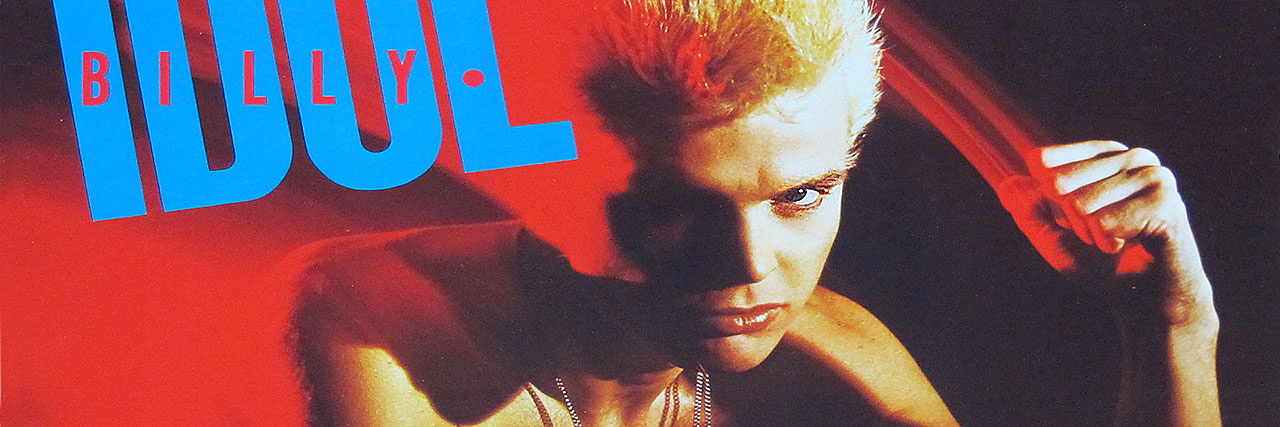
"Rebel Yell" is the sound of Billy Idol taking the punk kid instincts and snapping them into arena-sized pop-rock without sanding off the teeth. This is his second album, released in 1983, and it lands like a leather jacket thrown over a neon sign: slick enough to glow, loud enough to bruise. The proof is right there in the aftermath—four singles hitting the U.S. Hot 100, and the album climbing to #6 on the U.S. Billboard 200.
1) Introduction: the band, the moment, the mission
Billy Idol is billed here as a British punk rock artist, but "Rebel Yell" is where he really perfects the crossover trick: rebellion packaged as a sing-along, danger framed for radio, sweat turned into hooks. It’s not “punk vs. pop” — it’s punk using pop as a delivery system, like hiding a switchblade inside a Valentine’s card.
2) Historical and cultural context: 1983, loud colors, louder attitudes
In 1983, rock is learning to live with polish without apologizing for it. The era’s mainstream is all sharp edges and sharper lighting: big choruses, bigger hair, and a music culture that’s starting to think in images as much as sound. "Rebel Yell" fits that moment perfectly—aggressive enough to feel risky, catchy enough to follow you around the house like it pays rent.
3) How the album happened: the “don’t waste the momentum” chapter
This record arrives with the confidence of someone who knows the door is open and refuses to politely step through it. After the first wave of success, the goal here isn’t subtle growth — it’s escalation. You can feel the intent: make it tighter, make it louder, make it stick, and don’t let the energy sag for even a verse.
4) The sound, songs, and direction: punk posture with pop-rock muscle
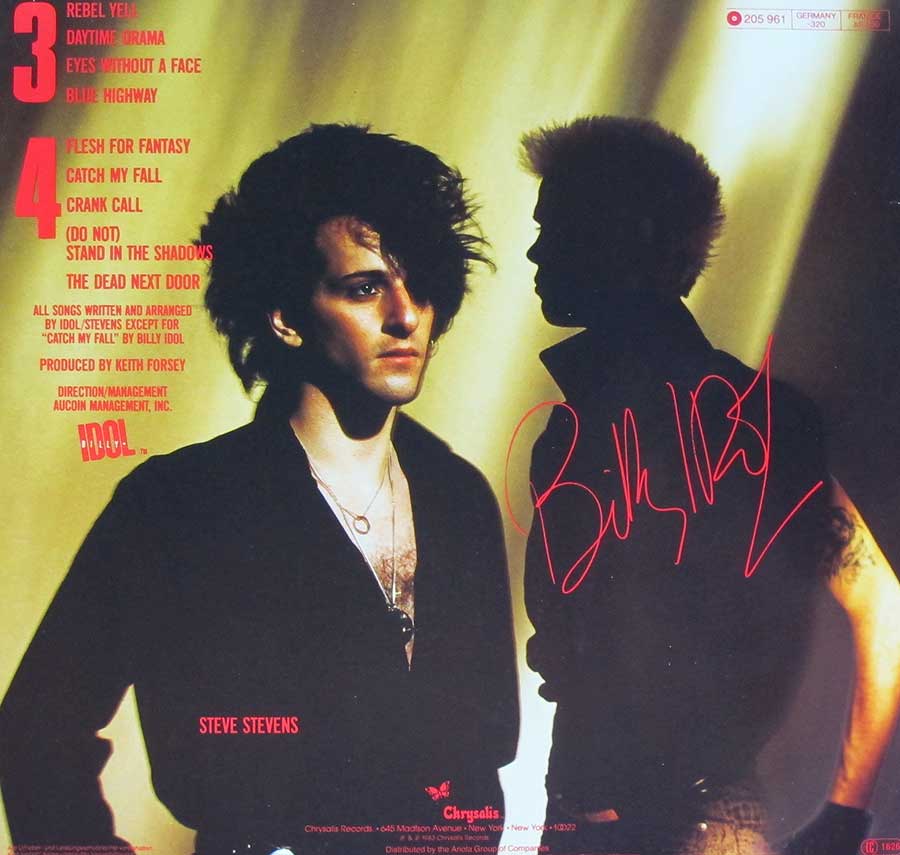
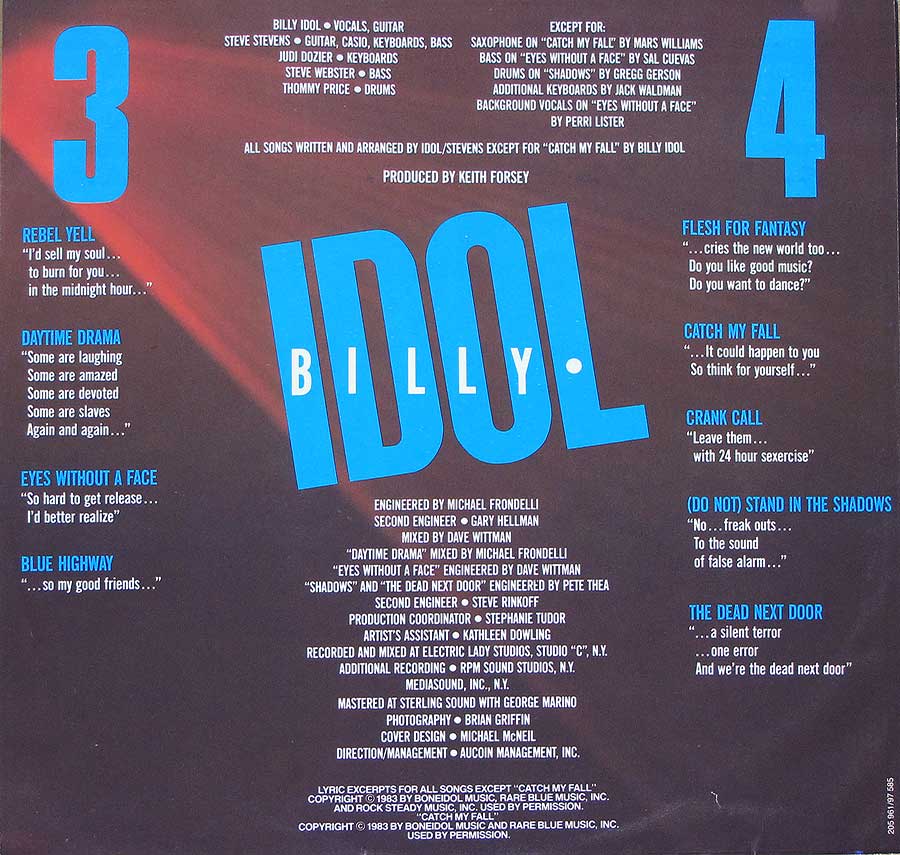
Genre-wise, the page calls it Punk Rock and Pop Rock, and that combo is the whole engine: relentless forward motion, hooks with teeth, and choruses built like scaffolding around a riot. The title track "Rebel Yell" charges out front like it’s late for a fight, while "Eyes Without a Face" drips mood and menace in a way that makes the room feel colder.
Then you’ve got "Flesh for Fantasy" bringing the smirk, and "Catch My Fall" easing off the throttle just enough to prove Idol can do vulnerability without turning it into wallpaper. Even deeper cuts like "The Dead Next Door" keep the pulse up—this album doesn’t really do “filler,” it does “what if we just keep running?”
5) Where it sits in its genre and year: the 1983 lane it owned
"Rebel Yell" lives in that early-80s sweet spot where rock is getting more cinematic, but still wants to look you in the eye while it does it. If you line it up next to other big 1983 energy, it holds its own by being both hard-driving and ridiculously memorable—the kind of record that can punch and pose at the same time.
- Compared to slick, big-room rock of the era, "Rebel Yell" keeps a street-level snarl in the vocals and attitude.
- Compared to new wave’s cooler detachment, it leans into heat and sweat—less art-school distance, more midnight acceleration.
- Compared to punk purism, it’s unapologetically hook-forward, like it’s daring you to complain while you sing along.
6) Band dynamics and creative tensions: the balance you can hear
The tension that matters most here is musical: keep the punk impulse alive while building songs that can survive massive replay. That balancing act shows up in every track that pairs a sharp-edged delivery with a chorus engineered to live in your head for days. It’s not a compromise so much as a controlled detonation.
7) Critical reception and legacy: why collectors still care
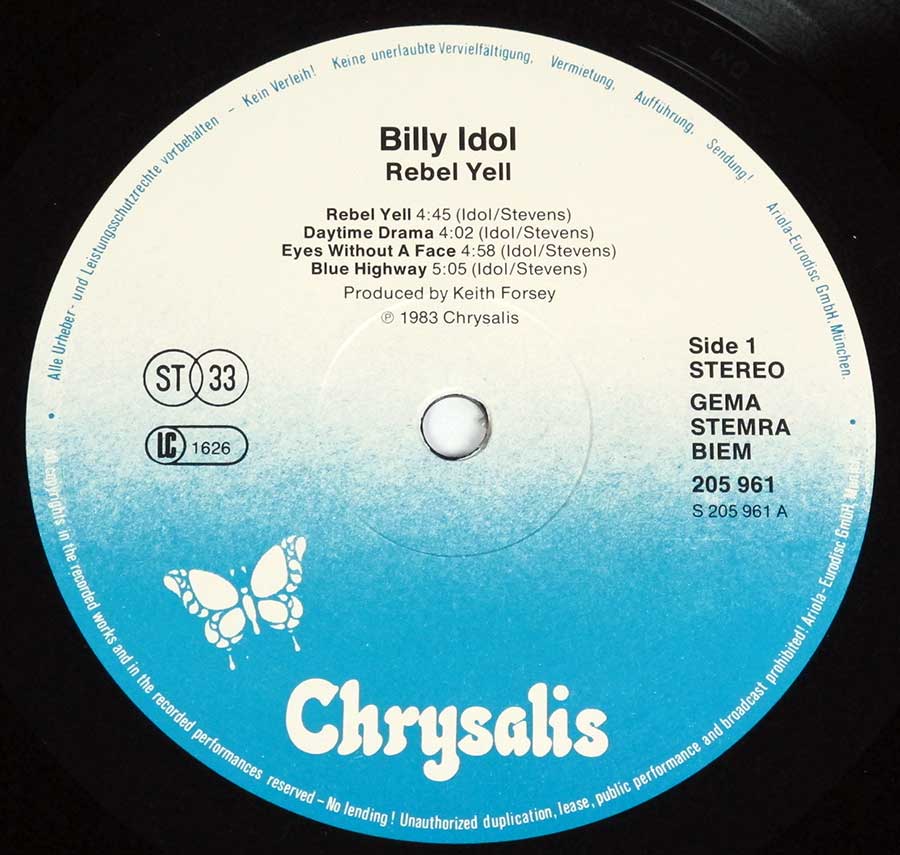
Success is one thing; durability is another, and "Rebel Yell" has that collector-approved durability where the grooves still feel charged decades later. The production credit that matters in the story is Keith Forsey, because the album’s punch and pacing feel intentional, not accidental. And the mastering mention—George Marino at Sterling Sound—lands like a quiet flex: the kind of name that turns up when records are meant to hit hard and stay standing.
8) Reflective closing: shutting the sleeve, turning the lights down
I keep coming back to "Rebel Yell" because it captures that rare moment when attitude, craft, and timing all line up and nobody blinks first. It’s a record that still sounds like motion: boots on pavement, neon in the rain, and a grin that absolutely knows it’s getting away with it. Decades later, the riffs still smell faintly of beer, sweat, and misplaced optimism.