David Bowie Biography:
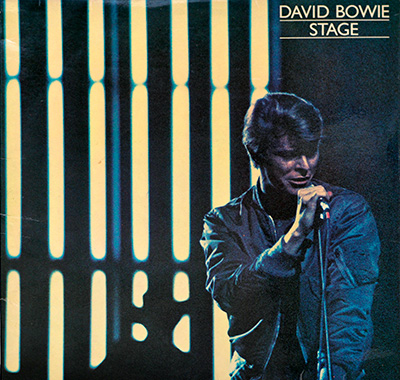
David Bowie always felt less like “an artist” and more like a recurring weather system: sudden changes, strange light, the occasional thunderclap that makes you sit up and check what you just heard.
He arrived as David Robert Jones, born on 8 January 1947 in Brixton, London, and if that sounds like the beginning of a tidy documentary narration, good. Because the rest of him refuses to stay tidy. He was the kid who picked up a saxophone and didn’t just learn notes—he learned how to pose with sound, how to make a room tilt a few degrees.
My everyday anchor with Bowie is boring on purpose: late-night radio, a small lamp, the house quiet enough to hear the record player’s faint motor hum in my head even when it isn’t spinning. Bowie worked best in that space—when you’re not trying to “understand” him, just letting him wander through the room like a cat that owns the place.
Then 1969 hit, and “Space Oddity” didn’t just become a song; it became a little trapdoor in pop culture. Released as a single on 11 July 1969, it floated up with Major Tom and left a mild panic behind: pop could be cinematic, lonely, and catchy at the same time. People call it “an instant classic.” I call it the moment the ceiling got higher.
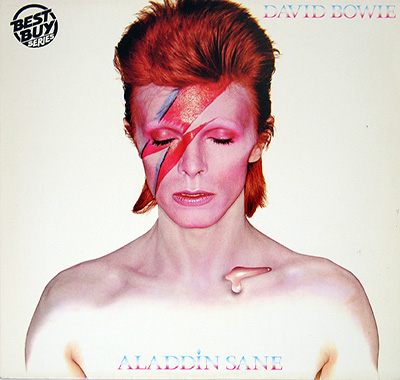
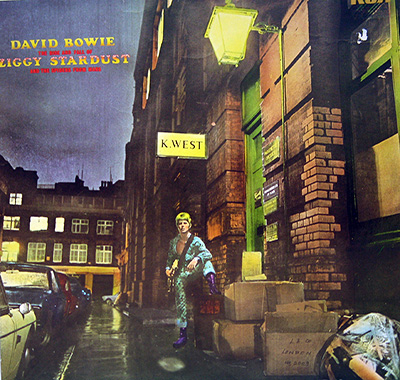
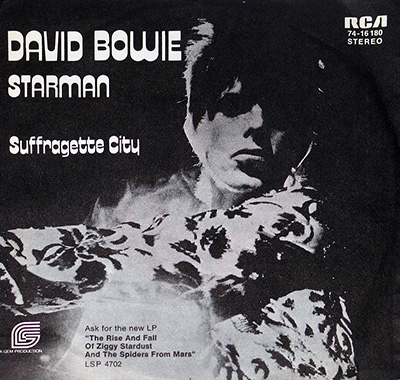
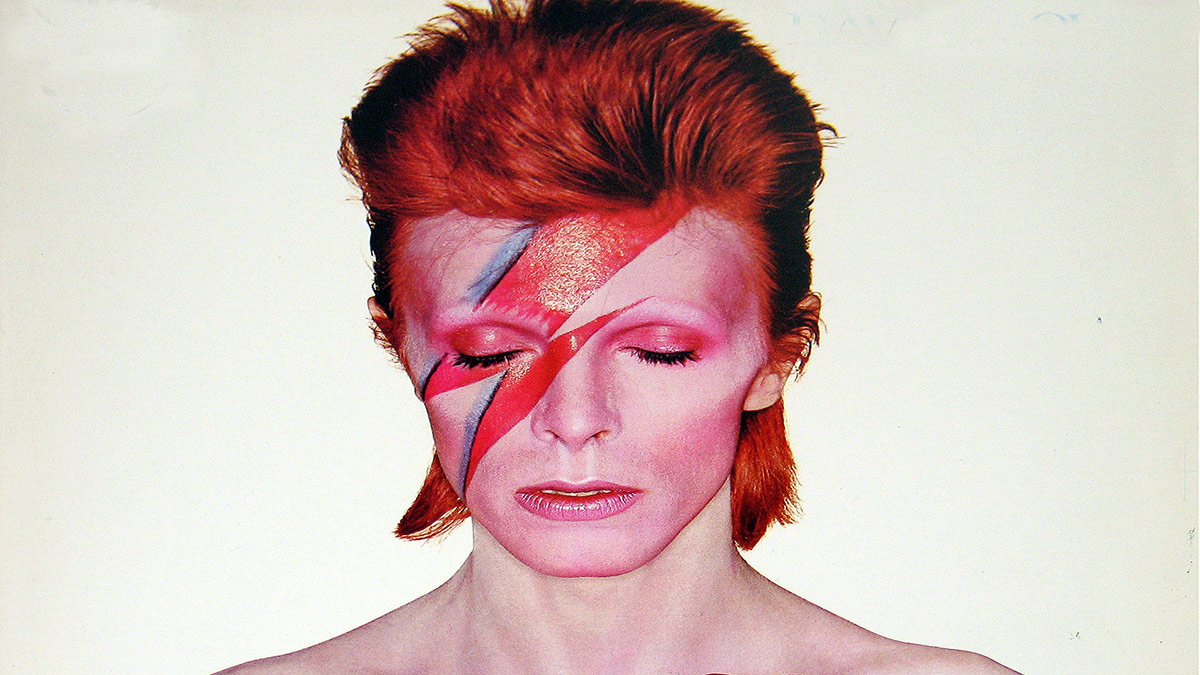
Early 1970s Bowie is where the temperature really changes. Ziggy Stardust wasn’t just “gender ambiguity” as a bullet point—he was a lit match near a stack of old rules. “The Rise and Fall of Ziggy Stardust and the Spiders from Mars” landed in 1972, and suddenly rock had a new job: be theatre, be confession, be prank, be prophecy. The follow-up mood-swing into “Aladdin Sane” (1973) feels like Ziggy stepping off the stage and walking straight into the glare of America, half-dazzled, half-amused.
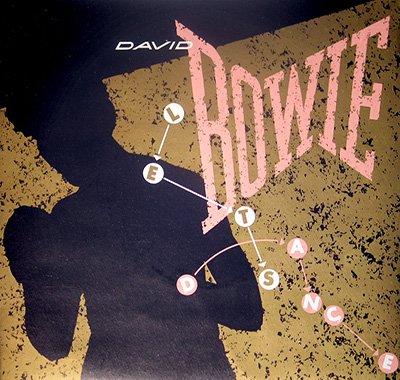
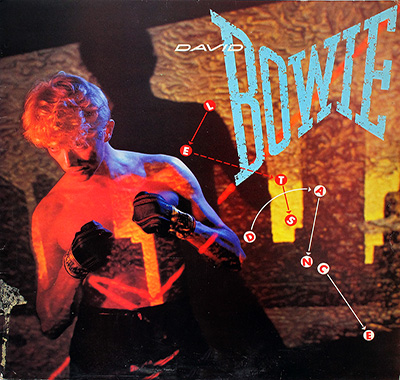
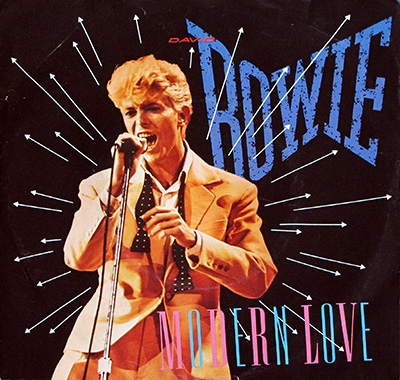
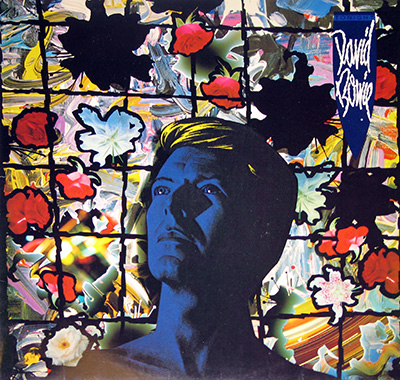
Later, he did what Bowie always did: he moved. He didn’t “incorporate elements” of anything—he stole the good parts, chewed them up, and spat out something that made everyone else sound like they were standing still. I’ve got a soft spot for the slicker 1980s hits, even if some of it comes with shoulder pads baked in. “Let’s Dance” is the shiny handshake; the better stuff is the weird glance that follows right after.
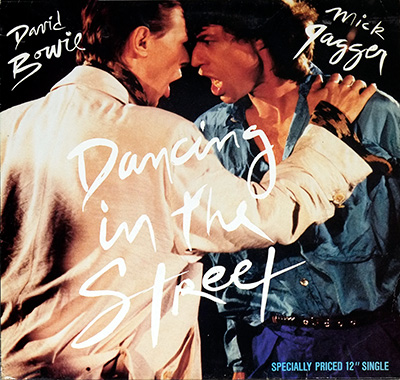
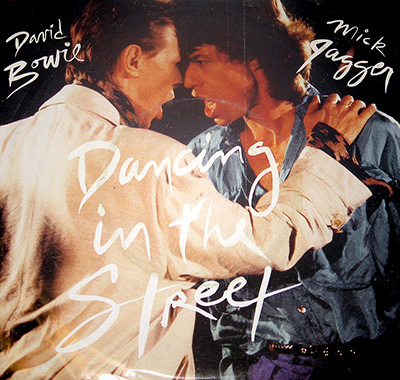
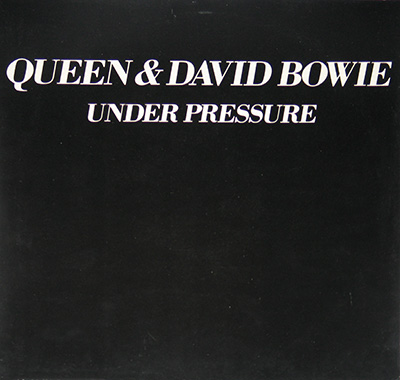
The collaborations are the obvious headlines—Queen, Mick Jagger, the big public moments—but the more interesting pattern is how he treated identity like a coat you throw over a chair. Wear it hard. Leave it behind. Come back later and pretend you’ve never seen it before.
Acting suited him because he already sang like someone changing masks mid-sentence. Films like The Man Who Fell to Earth, Labyrinth, and The Prestige aren’t “side quests”; they’re proof that the same person could look alien, tender, and slightly dangerous without breaking a sweat.
When he died on 10 January 2016—two days after turning 69—people reached for the usual phrasing: “shock,” “legacy,” “icon.” Fine. But the part that still needles me is how he kept the illness private and left the goodbye hanging in plain sight, timed with the release of “Blackstar” on his birthday. That’s not a biography detail. That’s a stage direction.
Bowie’s “influence” is real, sure—but the bigger trick is that he gave people permission to be unfinished. To try a voice, drop it, try another. To not explain themselves every damn time. And honestly? The world needs more of that and less tidy branding.