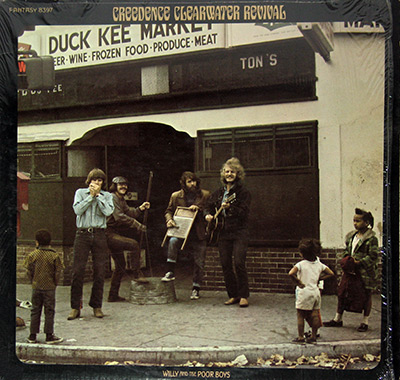
"Willy and the Poorboys" (1969) Album Description:
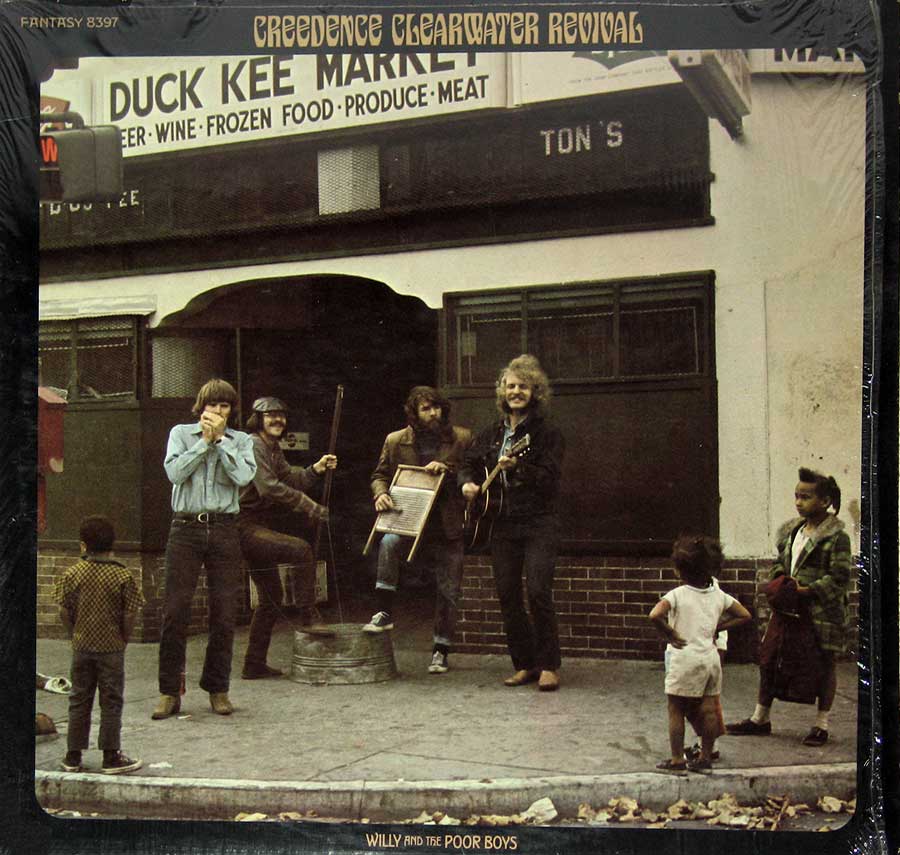
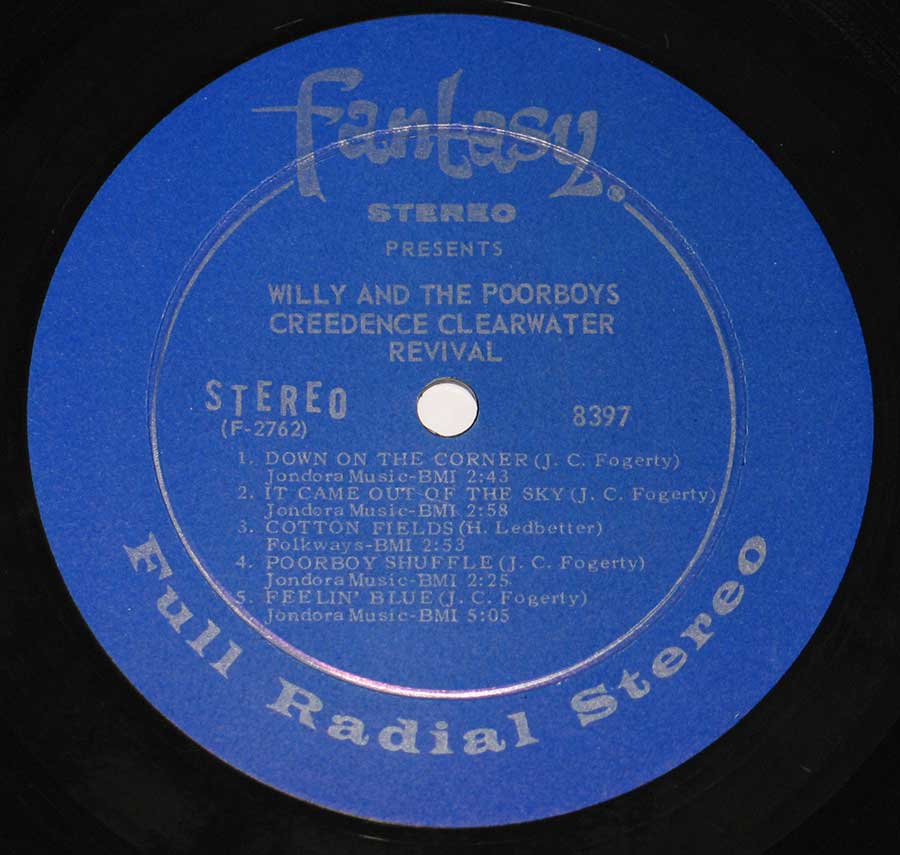
"Willy and the Poorboys" is where CCR (Creedence Clearwater Revival) take their American roots rock engine, kick it into a higher gear, and somehow make it feel both street-corner casual and dead-serious at the exact same time. It’s their fourth album, released in 1969, and it plays like a band that’s figured out how to say a lot without decorating the sentence. My copy’s the Blue Label Fantasy 8397 US pressing, and yeah, it’s the kind of record that feels like it could survive a bar fight and still track clean.
1. Introduction on the band and the album
What hooks me is how lean this album feels: no filler perfume, no prog detours, just songs that walk in, tell you the truth, and leave you holding the bag. John Fogerty not only fronts the whole thing, he also produced it, which explains that “one clear voice at the wheel” vibe. You can practically hear the band standing shoulder-to-shoulder, playing like the room is small and the stakes are weirdly personal.
2. Historical and cultural context
1969 in the USA was loud in all the ways that matter: a country arguing with itself, music exploding out of radios, and young bands choosing sides without always putting it in neat slogans. Rock was stretching in every direction—psychedelia fading, heavier sounds arriving, folk and soul bleeding into everything. And right in that chaos, CCR show up sounding like they’ve been on the road for a decade, playing songs that don’t need permission to be timeless.
3. How the band came to record this album
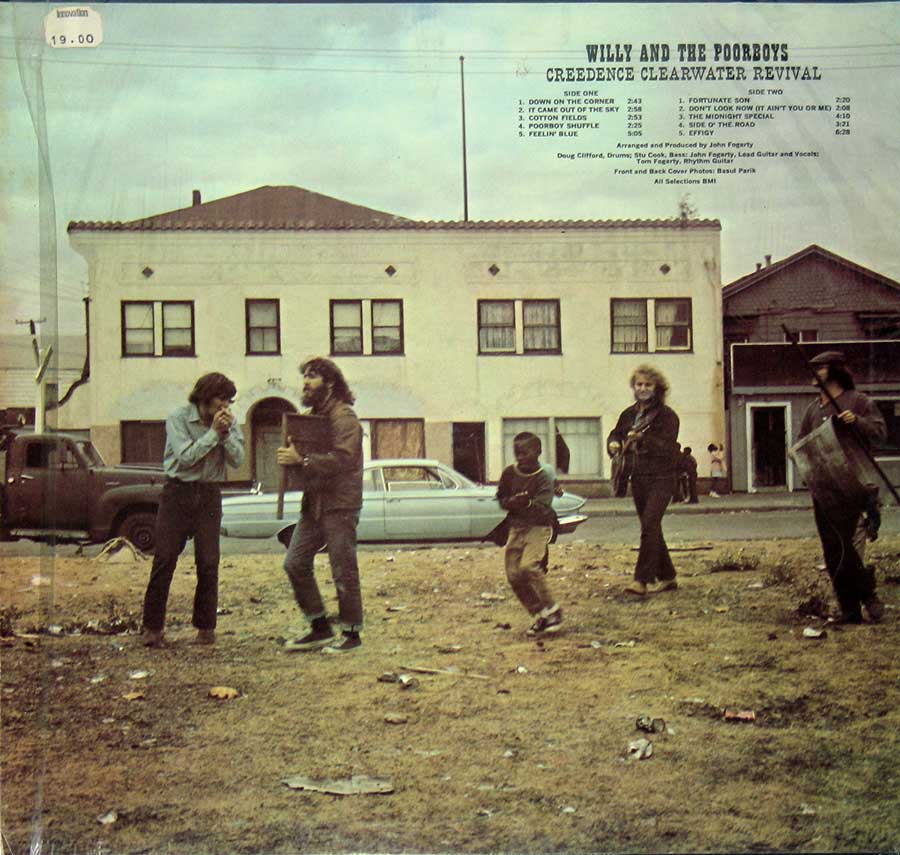
This is a tight four-piece lineup—Doug Clifford on drums, Stu Cook on bass, Tom Fogerty on rhythm guitar and backing vocals, and John Fogerty handling lead guitar, harmonica, and lead vocals—and it behaves like a unit that trusts the groove more than the glamour. With Fogerty producing, the record feels curated by instinct: keep it direct, keep it human, keep it moving. The whole thing reads like a band saying, “We’re not here to impress your stereo—we’re here to hit you in the chest.”
4. The sound, songs, and musical direction
The sound is all bite and sway: chugging rhythm, sharp guitar shapes, and vocals that can grin and scold in the same breath. "Down on the Corner" is pure daylight—music as a public service—while "Fortunate Son" snaps like a protest sign made of barbed wire. Then you get the darker corners: "Effigy" stretches out and broods, like the record suddenly remembers the world outside isn’t just jukebox fun and good intentions.
I love how the album doesn’t over-explain itself. It can swing through traditional flavor with "Cotton Fields" and pull you into a communal sing-along with "The Midnight Special", but it never turns into a costume party. It’s roots rock that isn’t polite—more like a firm handshake from someone who’s seen enough nonsense to skip the small talk.
5. Comparison to other albums in the same genre/year
In 1969, plenty of big records sounded massive, ambitious, and occasionally a bit in love with their own reflection. CCR do the opposite: they stay compact, punchy, and emotionally legible—like they’re writing songs for people who have to wake up tomorrow and deal with real life.
- The Rolling Stones – "Let It Bleed": darker, sprawling menace versus CCR’s sharp, road-ready clarity.
- The Beatles – "Abbey Road": studio sheen and grandeur versus CCR’s stripped-down urgency.
- Led Zeppelin – "Led Zeppelin II": heavy swagger and volume versus CCR’s lean groove and narrative bite.
6. Band dynamics and creative tensions
Even without any backstage gossip, you can feel the internal geometry: the band is tight, but the center of gravity is unmistakable. With John Fogerty singing, playing lead, and producing, the album moves with a single-minded purpose—like a great film with a director who knows exactly what to cut. The upside is focus and momentum; the trade-off is you can sense how much depends on one person’s vision staying sharp.
7. Critical reception and legacy
What’s wild is how these songs refuse to become “oldies” in the dusty, museum sense. They still sound like living things—played by real humans, for real humans, in a world that keeps recycling the same arguments with new hairstyles. Decades later, this album feels less like a period piece and more like a reminder that good writing, good groove, and good instinct don’t age out—they just get louder in your memory.
8. Reflective closing paragraph
When I pull "Willy and the Poorboys" off the shelf, I’m not chasing nostalgia—I’m chasing that rare feeling of a record that knows exactly what it is. It’s 1969 pressed into black vinyl, equal parts street-corner charm and clenched-jaw honesty, and it still lands with a clean, satisfying thud. Decades later, the grooves still smell faintly of beer, sweat, and misplaced optimism.