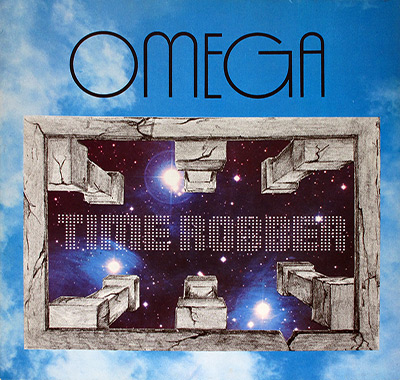
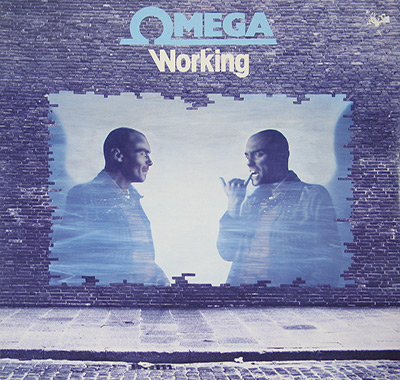
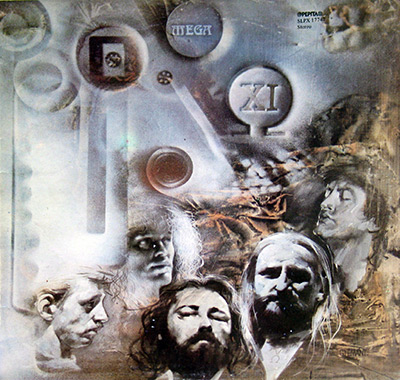
Peter Hauke, Peter Hauke is a German producer and sound engineer, and in my book he flies the mixing desk like a cockpit: calm hands, sharp ears, zero mercy for mud. To my ears, his early-1970s run with Nektar (1971-1974, including "Remember the Future") nailed that widescreen space-rock glide, then mid-1970s work with Omega pushed prog into colder, grander atmospheres. Late-1970s, he locked in Supermax's groove-and-punch, and by the late 1970s into mid-1980s Hotline Studios in Frankfurt became his home base, producing Tony Carey's Planet P material with a tight, radio-ready snap.
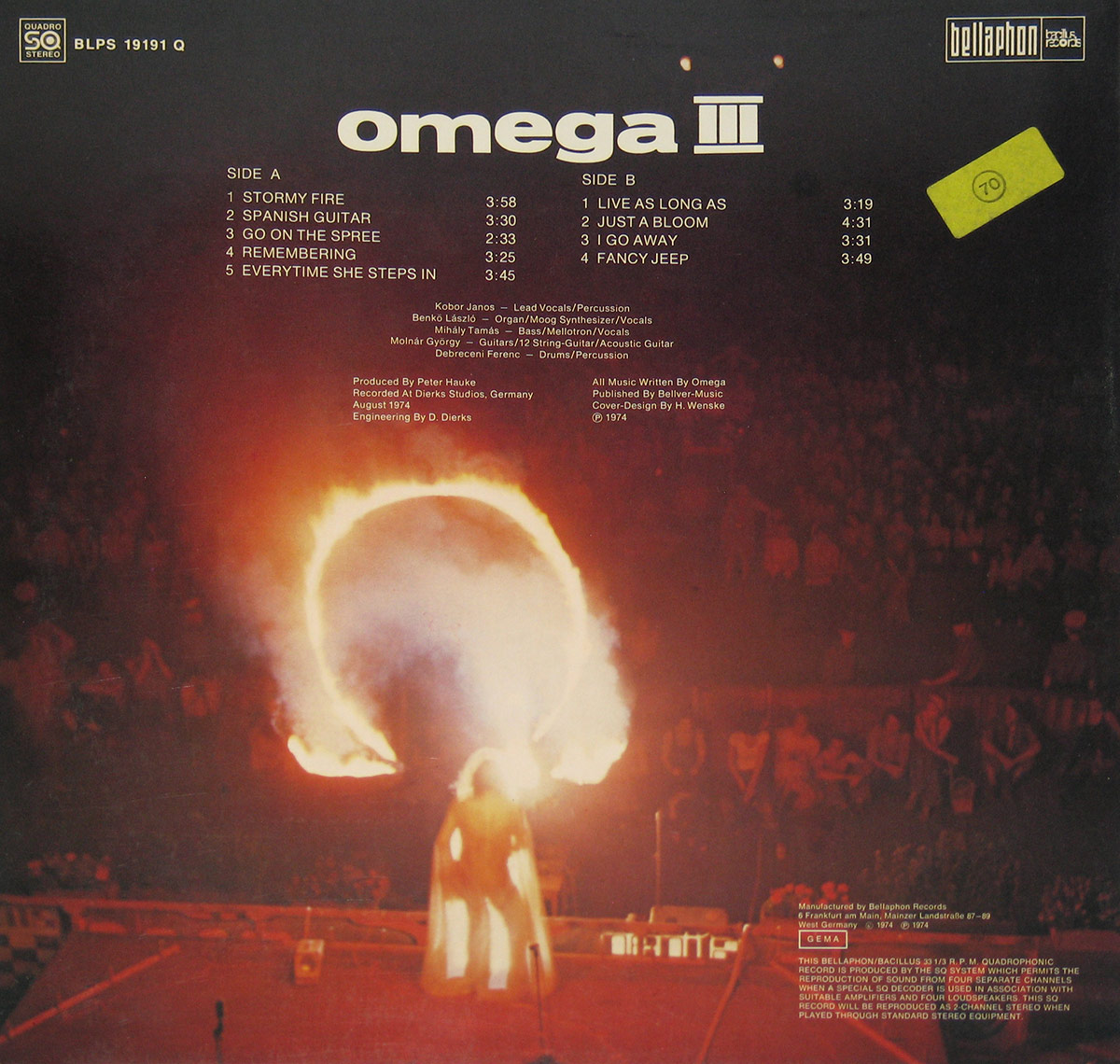
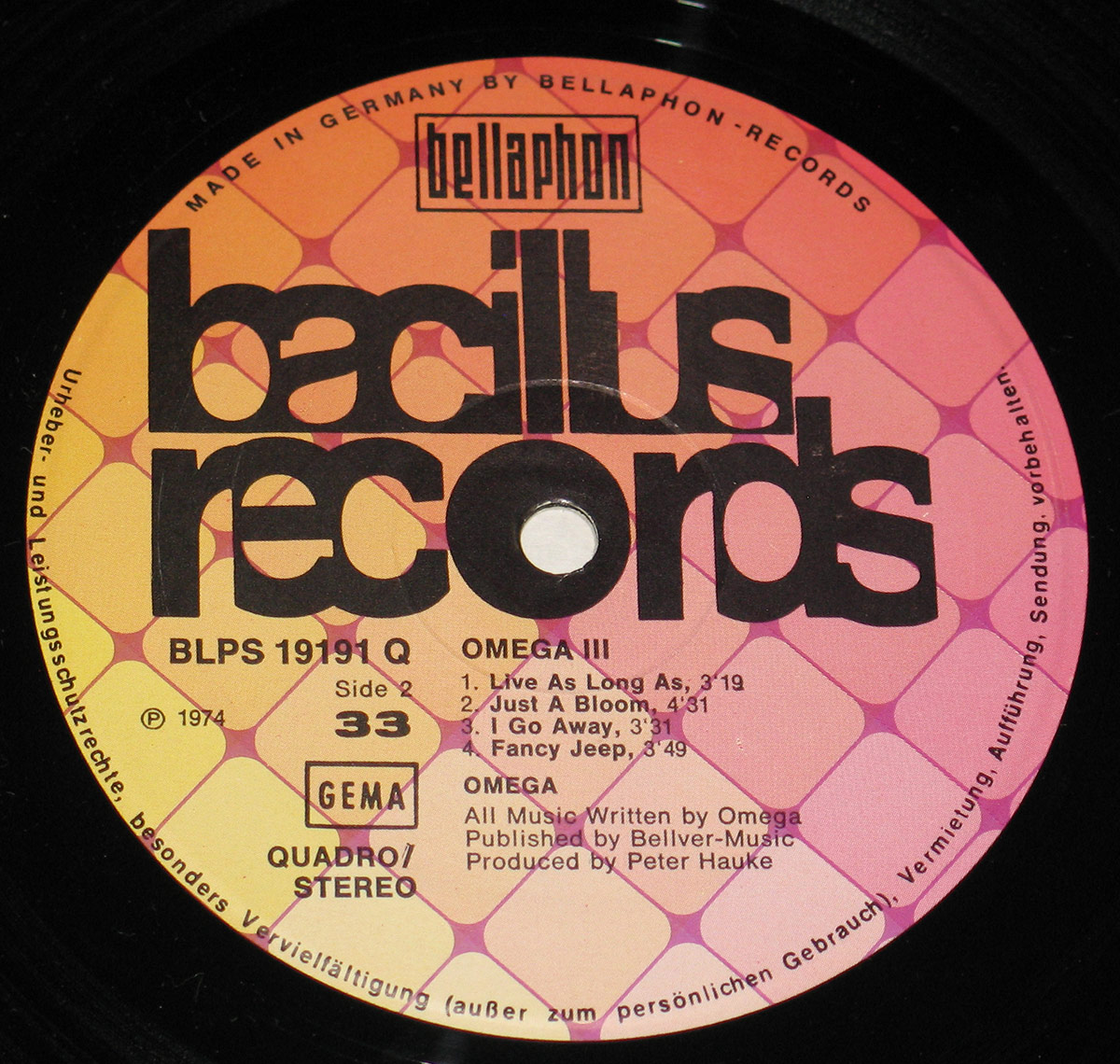
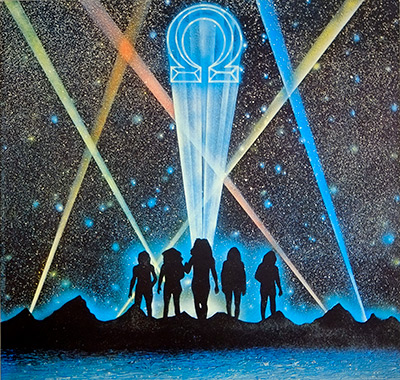
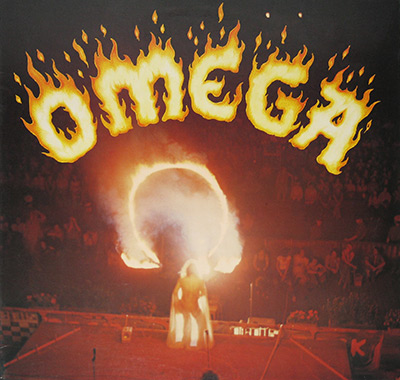
OMEGA - III 12" Vinyl LP Album
- QUADROPHONIC QUADRO BLPS 19191
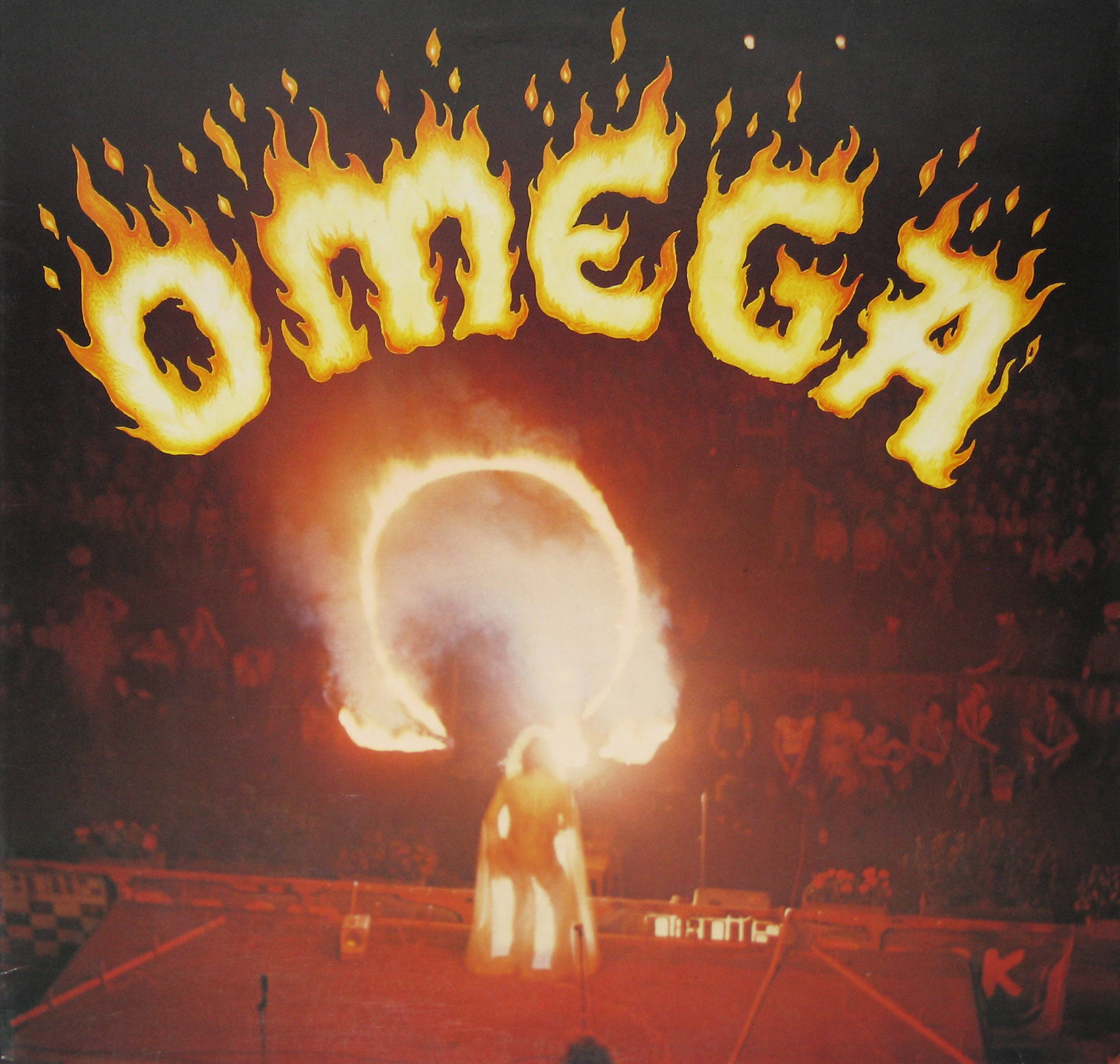
Omega III, released in 1973, was a groundbreaking progressive rock album by the band Omega. It showcased intricate compositions, diverse instrumentation, and thought-provoking lyrics. The album notably embraced quadrophonic sound, an innovative audio technology that utilized four channels for a more immersive listening experience. While quadrophonic sound didn't achieve mainstream success, Omega III remains a cult classic among progressive rock fans and audiophiles, celebrated for its musical and technical innovation.