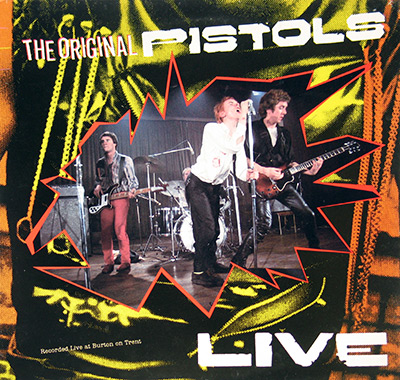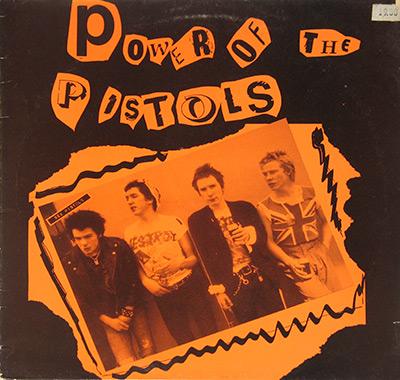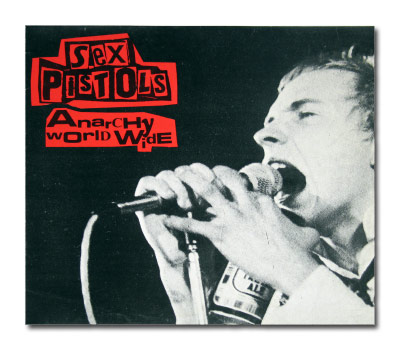
SEX PISTOLS Band Description:
London, 1975: four lads, one bad idea, and a city already itching for a fight. The Sex Pistols didn’t “arrive” so much as kick their way in and leave boot prints on everything polite.
The classic line-up is the one people argue about in pubs: Johnny Rotten (John Lydon) out front like a human siren, Steve Jones on guitar, Paul Cook on drums, and Glen Matlock on bass. Matlock gets quietly under-credited because he could actually write, which is apparently suspicious in punk. He was replaced by Sid Vicious in 1977, and the mythology meter promptly red-lined.
The sound didn’t come from nowhere. You can hear the bruised knuckles of American protopunk (the Stooges, the New York Dolls), plus that grimy UK pub-rock grind and the glitter hangover of glam. But the Pistols made it feel like it was happening to you, right now, in a room that’s too small and smells like lager and hairspray.
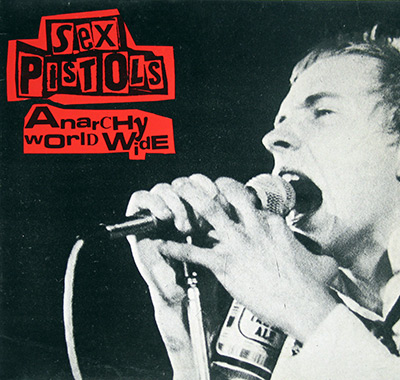
Late November 1976, they dropped their debut single, "Anarchy in the U.K." Not a philosophy lecture. More like a shouted match thrown into the middle of the street to see who flinches first. It didn’t need to be “perfect.” It needed to be loud.
Then came "God Save the Queen" in May 1977, right in the Silver Jubilee glare. The BBC and the Independent Broadcasting Authority refused to play it, retailers backed off, everyone clutched pearls so hard you could hear the string creak. It still climbed to Number 2 on the UK chart anyway, which is the funniest kind of scandal: the kind you can measure.
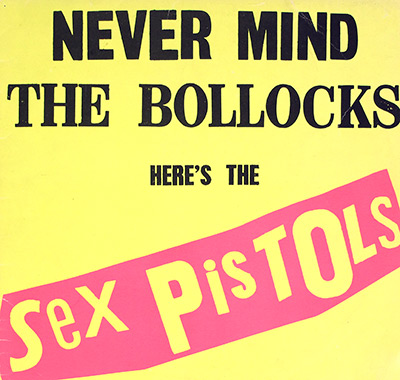
October 1977: the one studio album that matters, "Never Mind the Bollocks, Here's the Sex Pistols". The familiar running order lands as a 12-track gut-punch (yes, including "Submission" in the version most people know). No “concept album” fog. Just tight songs that spit, stumble, recover, and spit again: "Pretty Vacant", "Holidays in the Sun", "Bodies", "EMI"… like a list of reasons to distrust anyone in a suit.
People love to say they were “influential.” Sure. But that word is too clean for what happened next. They made it normal for kids with cheap gear and big mouths to start bands without asking permission. That part I respect. The rest? The chaos, the manager games, the self-destruction cosplay, the hype machine chewing the band from the inside—less heroic, more tragicomic.
They didn’t last. The Pistols imploded in January 1978 at the end of that grim U.S. tour, and the whole thing snapped shut like a broken safety pin. Short run, long shadow. Punk didn’t die—don’t be dramatic—it just got packaged, merchandised, and sold back to everyone who used to pretend they hated it.
References
- Encyclopaedia Britannica — The Sex Pistols (formation & members)
- "Anarchy in the U.K." — release details
- Official Charts — 1977 flashback (BBC blacklist & No.2 peak)
- "God Save the Queen" — release, bans, chart notes
- "Never Mind the Bollocks…" — release date & track listing variants
- Sex Pistols — breakup timeline (Jan 1978)
- Vinyl-Records.nl — high-resolution album cover photos