I don’t remember The Clash as “a British punk band formed in 1976.” I remember the feeling: sleeves handled too often, cheap speakers rattling, and that sense that the room had just decided to stop being polite. London, 1976, sure. But the real origin story is simpler: somebody finally got bored of being told what was acceptable.
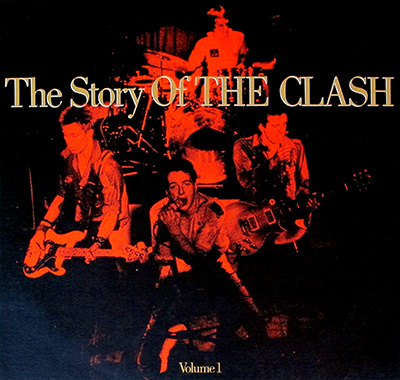
The classic picture people carry around is Joe Strummer at the front (vocals, guitar), Mick Jones cutting bright angles (guitar, vocals), Paul Simonon driving the whole thing like a clenched fist (bass), and Nicky “Topper” Headon behind them (drums) making it swing when punk was supposed to only sprint. Worth noting: Topper wasn’t the first drummer; Terry Chimes was there early on. The “classic” line-up is the one that locked in when the band stopped merely shouting and started moving.
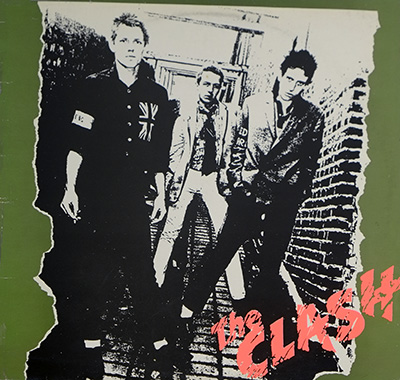
The debut, "The Clash" (1977, UK), doesn’t ask permission. It snaps at the police, bosses, boredom, the lot. And then they did the most un-punk thing imaginable: they listened. Reggae, dub, rockabilly, funk, whatever felt alive. Other bands wore “purity” like a badge; The Clash treated it like a trap. Good.
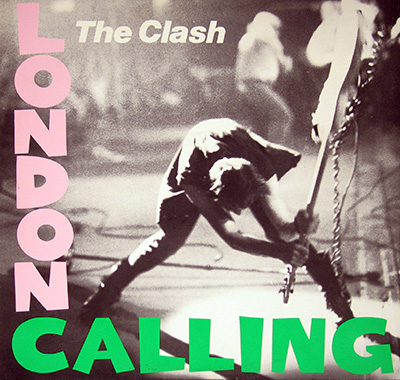
"Give 'Em Enough Rope" (1978) sounds like a band learning how to aim. Then "London Calling" (1979) kicks the door in and strolls through the mess like it owns the place. It’s a double album that doesn’t behave like one: tight one moment, sprawling the next, and never once pretending the world was fine. Rolling Stone editors later stuck it at #1 on their 1989 “Best Albums of the Eighties” list, which is either a technicality (US release timing) or a confession that the decade started early and never apologized.
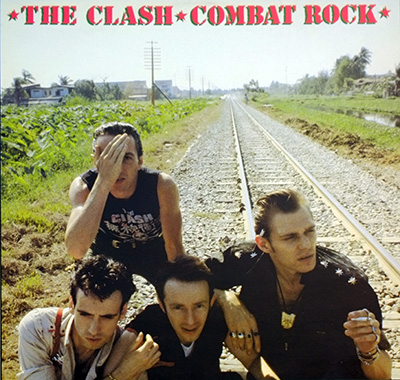
"Combat Rock" (1982) is where the collision goes mainstream. "Rock the Casbah" lands like a cartoon grenade and somehow ends up as a US top-10 hit. The weird part is that it still sounds like them: playful, tense, and slightly allergic to authority. Success didn’t tame The Clash. It just put brighter lights on the bruises.
After that, the band didn’t “politely disband.” It fractured. Topper was out, then Mick Jones was dismissed in 1983, and what followed was a hard, awkward limping phase that produced "Cut the Crap" (1985). By 1986 it was over. And honestly? Better a messy end than a heritage act. Punk isn’t supposed to age gracefully. It’s supposed to leave a mark.
References
- The Clash (official site) – Biography
- Wikipedia – The Clash (timeline, members, releases)
- Wikipedia – "Rock the Casbah" (US chart peak)
- Wikipedia – "Cut the Crap" (1985, late-era lineup)
- MusicBrainz – Rolling Stone “100 Best Albums of the Eighties” series entry
- Vinyl Records Gallery – high-resolution album cover photos