The Eagles – Band Description
The Eagles didn’t arrive like a storm. They drifted in on warm California air in 1971, all denim, harmonies, and that careful kind of confidence you only hear in Los Angeles studios. Glenn Frey and Don Henley stood at the center, with Bernie Leadon and Randy Meisner weaving country muscle into something smoother than it had any right to be. I still remember the first time I heard “Take It Easy” crackle out of a radio speaker — not revolutionary, just assured. It sounded like a highway already paid for.
The debut, "Eagles" (1972), didn’t shout. It settled in. It climbed the Billboard 200 to No. 22 and quietly went platinum. “Take It Easy” didn’t beg for attention; it leaned back and let you come to it. That’s the trick. The band always understood restraint. Even when the hooks were obvious, they never looked desperate.
"Desperado" (1973) tried on outlaw mythology. Some critics shrugged at the time. Too thematic, they said. But “Tequila Sunrise” and the title track lingered like dust on boots. It’s the kind of record that ages better than its reviews. That says something.
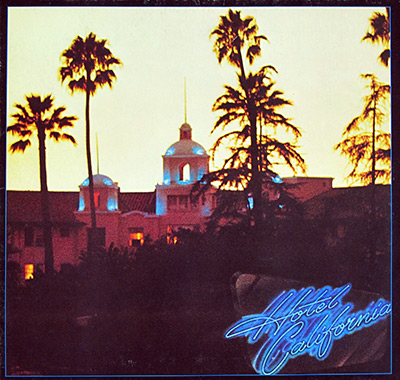
By 1974, things tightened. Don Felder stepped in with sharper guitar lines, and you can feel the gears lock into place on "On the Border". Then "One of These Nights" (1975) hit No. 1. The harmonies weren’t just pretty anymore; they had bite. And then came "Hotel California" (1976). Not just an album — an atmosphere. Felder’s opening guitar figure curls around you before you even realize you’re inside the song. “New Kid in Town.” “Life in the Fast Lane.” Polished, yes. But there’s something faintly sinister under the gloss. Sunset Boulevard with the lights turned low.
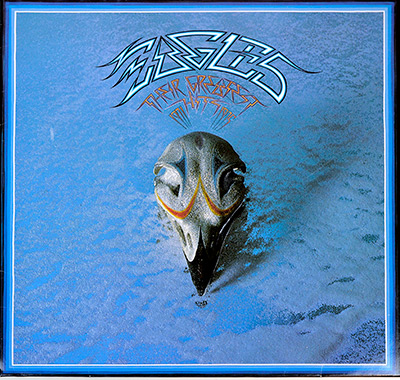
Success stacked up: six Grammys over the years, more than 150 million records sold worldwide. “Their Greatest Hits (1971–1975)” became one of the best-selling albums in U.S. history. That’s not hype. That’s supermarket checkout racks in the 1980s still carrying the cassette.
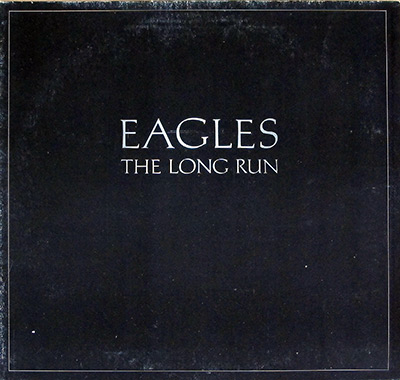
Tensions? Of course. Bernie Leadon walked in 1975. Joe Walsh arrived with a grin and a harder edge, sanding down some of the polish. By the time "The Long Run" landed in 1979 — with “Heartache Tonight” and “I Can’t Tell You Why” — you could hear the strain between the perfection and the personalities. They broke in 1980. Not dramatically. Just… done.
The 1994 reunion tour, “Hell Freezes Over,” felt half-ironic, half-inevitable. They were inducted into the Rock and Roll Hall of Fame in 1998. Glenn Frey’s death in 2016 changed the chemistry permanently. Deacon Frey and Vince Gill stepped in later, and the machine kept humming. But anyone who says it sounds exactly the same is being polite.
What lingers isn’t just the sales figures or the awards. It’s the mood. Late-night FM radio. The opening twelve-string shimmer. That feeling that California is both promise and trap. I’ve played “Hotel California” on worn vinyl copies where the groove noise creeps in before the first chord — and somehow that hiss makes it better. The Eagles were never rebels in leather jackets. They were architects of cool surfaces. And sometimes, surfaces tell you more than sermons ever could.