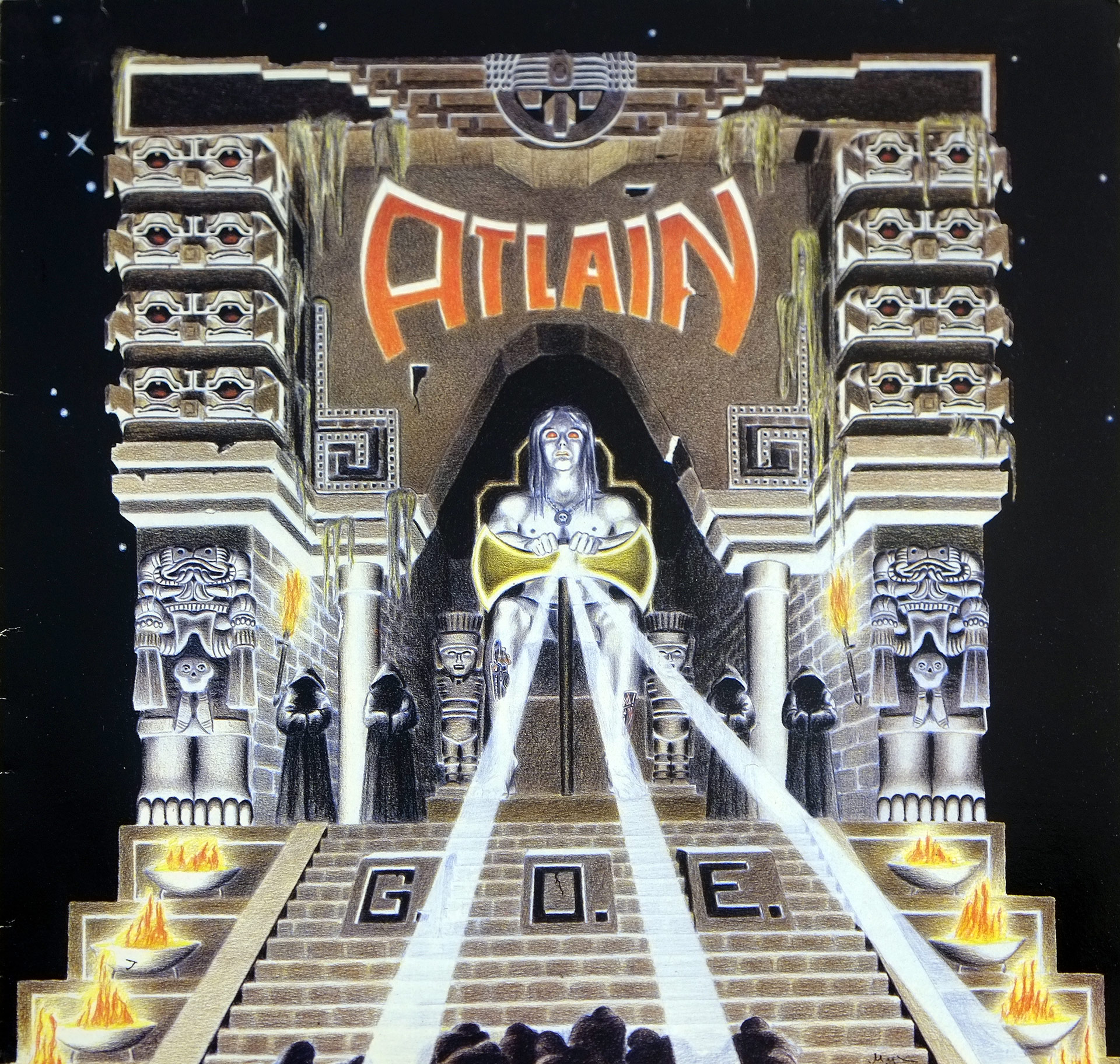
In the early 1980s, amidst the flourishing German heavy metal scene, a group of ambitious musicians united under the name Destroyer. It was 1983, and the genre was witnessing a surge in creativity and experimentation. However, it wasn’t long before Destroyer transformed into Atlain, a name that would go on to leave its mark on the Power and Speed Metal genres. Though their tenure was brief, the band produced two studio albums that stand as powerful testaments to their talent and vision.
The Formation and Evolution of Atlain
Initially known as Destroyer, the band rebranded as Atlain in 1983 to carve a distinct identity in the competitive German metal scene. Their sound blended the aggression of Thrash Metal with the melodic elements of Power Metal, capturing the essence of a genre on the rise.
The core members of Atlain were:
Peter Müller (Vocals): Müller’s journey began with Destroyer in 1983. His powerful vocals became the defining feature of Atlain’s sound during their active years from 1983 to 1986.
Andreas Büttner (Guitars): Büttner joined Destroyer in 1983 and seamlessly transitioned into Atlain, contributing intricate guitar work and dynamic riffs.
Jörg Pryztarski (Guitars): Pryztarski, another Destroyer alumnus, brought a blend of technical skill and raw energy to Atlain’s guitar sections.
André Chapelier (Bass): Chapelier’s thunderous bass lines laid the foundation for Atlain’s heavy sound. Post-Atlain, he joined Holy Moses in 1986, further cementing his place in the metal community.
Chris Efthimiadis (Drums): Efthimiadis’s driving rhythms gave Atlain their intense, energetic backbone. After Atlain disbanded, he joined Rage, where he gained even greater recognition.
Living in the Dark (1984)
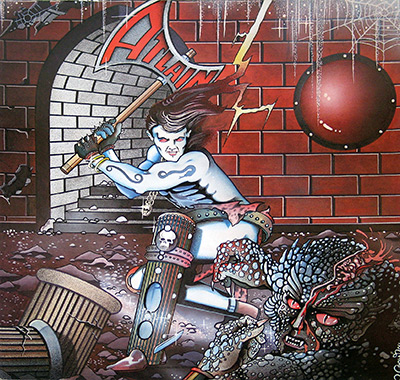
Atlain’s debut album, Living in the Dark, released in 1984, marked a powerful entry into the Power/Thrash Metal scene. Produced by Axel Thubeauville for Metallian Music and recorded at Studio Wahn in Bochum, Germany, the album showcased a raw yet polished sound.
G.O.E. (Guardians of Eternity) (1985)
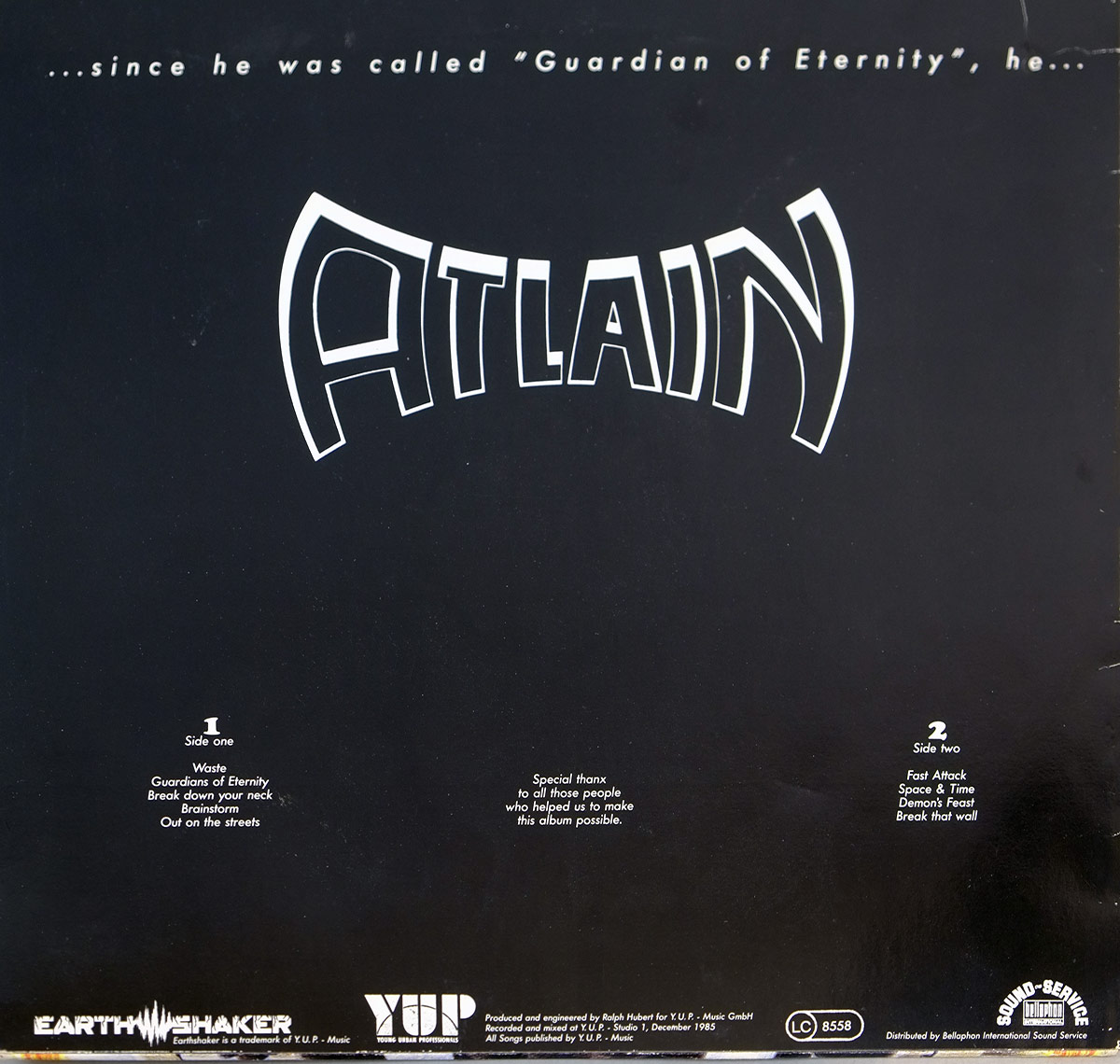
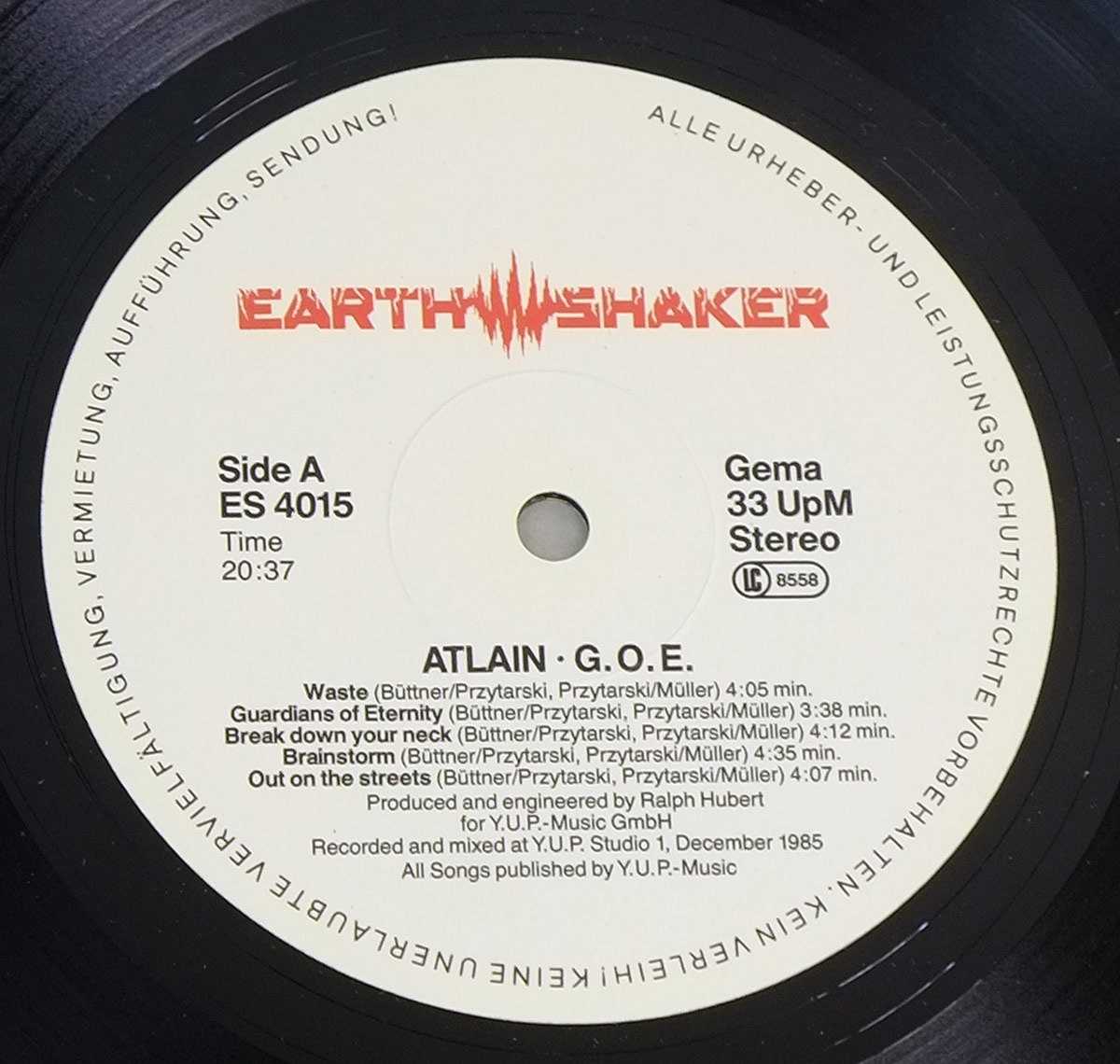
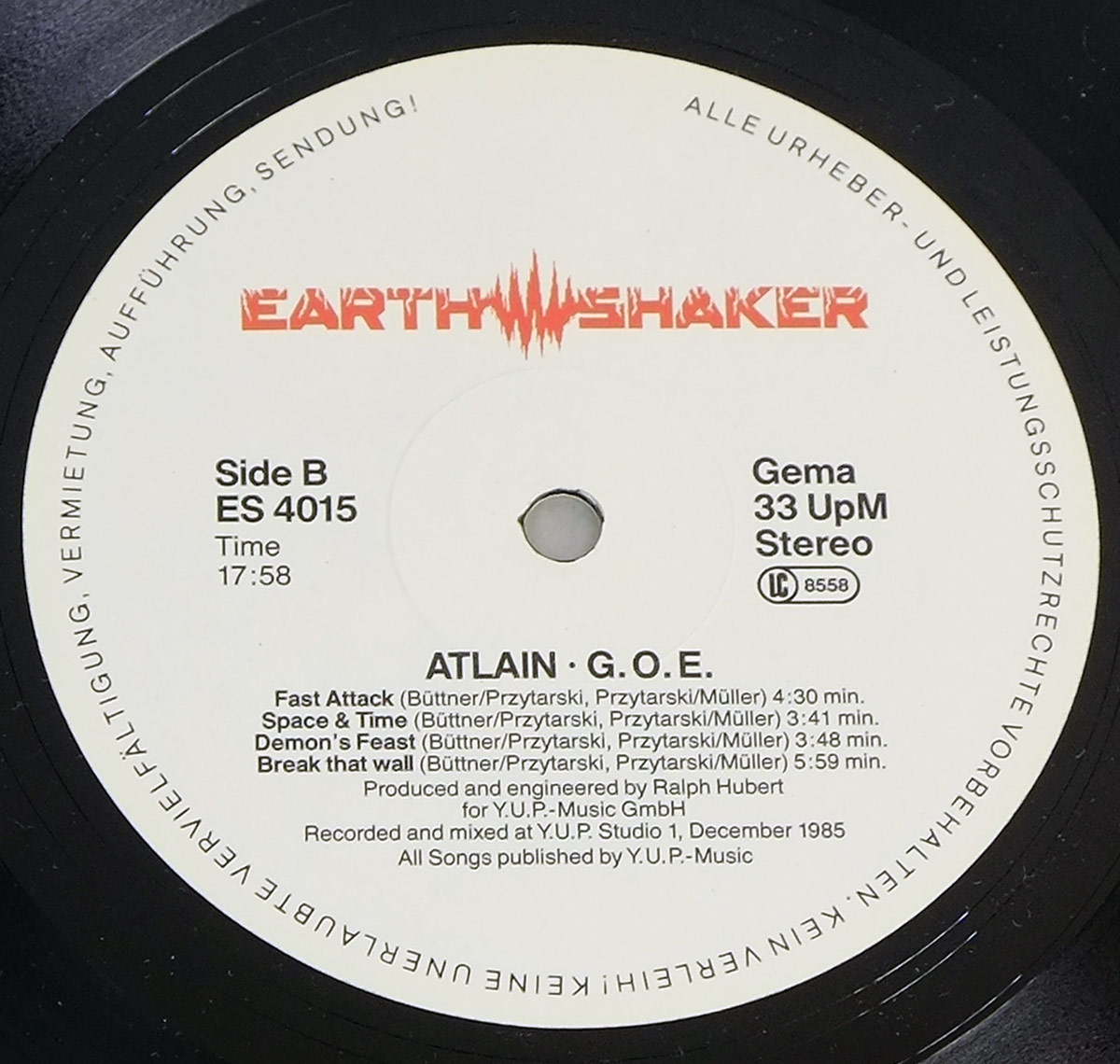
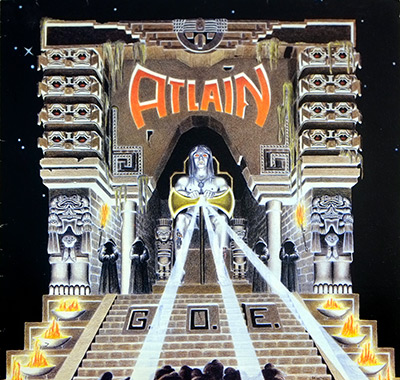
The following year, Atlain released their second and final album, G.O.E. (Guardians of Eternity), under Earthshaker Records. This album built on the foundation laid by Living in the Dark, embracing the speed metal influences that were gaining momentum in Germany.
Recorded at Y.U.P. Studio and produced by
Ralph Hubert
, G.O.E. represented Atlain’s evolution and maturity as musicians. The record’s polished production and diverse tracklist highlighted their growth and experimentation within the metal framework.
Ralph "Ralf" Hubert – Record Producer, Sound Engineer, Musician
He is the guy who can make a mid-budget German metal band sound like it had a plan all along.
Read more...
Ralph "Ralf" Hubert is the kind of German studio hawk who makes a band sound sharper than they actually are (a compliment). Back in Sep-Nov 1984 I can place him behind the desk at Sound-Partner Studio in Kirchhellen, engineering Stormwind sessions with that clean, metallic bite. From 1985 onward he stepped out from the control room as bassist, writer and guiding hand in Mekong Delta, where precision riffing and surgical low-end are the whole religion. Across the late 1980s and beyond, his name keeps popping up in metal credits-usually where the drums are tight and the guitars stop flapping. Producer, engineer, musician: the link between sweaty rehearsal rooms and the cold, exacting final mix.
Legacy of Atlain
Despite their brief career, Atlain’s contribution to the German metal scene remains noteworthy. Their two albums, Living in the Dark and G.O.E., capture a moment in time when Power and Speed Metal were flourishing, and bands like Helloween and Grave Digger were gaining prominence.
Atlain’s music reflected the energy and innovation of the era, and while they disbanded after G.O.E., the band’s members continued to leave their mark on the metal world through other projects. Chris Efthimiadis’s long tenure with Rage and André Chapelier’s stint with Holy Moses are testaments to the talent within Atlain’s ranks.