URIAH HEEP An Introduction
I don’t think you “discover” Uriah Heep so much as you bump into them. One day it’s all polite rock history, the next you’ve got Mick Box’s guitar and a Hammond organ arguing in your living room like they pay rent. They started in London in 1969, and—unlike a lot of their critics—never really learned the useful art of shutting up.
Late 1960s: from Spice to “Uriah Heep.” The name comes from Dickens’ David Copperfield, sure, but the timing mattered: Dickens’ centenary talk was everywhere around the end of ’69, and manager Gerry Bron pushed the new banner. They still played shows as Spice into early 1970, because real life is messy and bands don’t switch identities like flipping a light. Good.
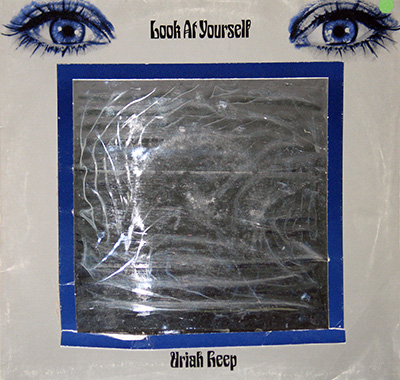
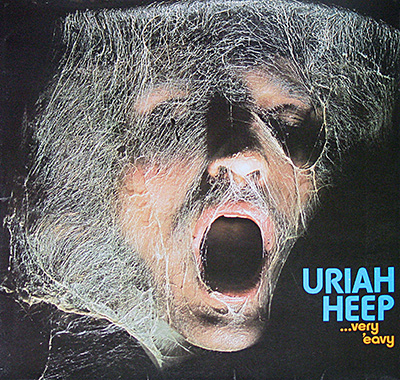
The first time I saw ...Very ’Eavy... Very ’Umble in a shop, it was the Vertigo swirl that did the seducing. Then the music hit: heavy, theatrical, a bit unhinged in a way that felt deliberate. The early core is Box and David Byron, with Ken Hensley joining in early 1970 and widening the whole thing—suddenly the songs had an organ that didn’t “decorate,” it shoved. And no, Gary Thain wasn’t the original bass player on day one; that role belonged to Paul Newton, with the debut sessions famously not being a single tidy, frozen lineup.
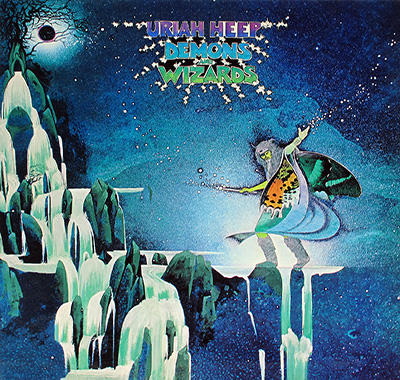
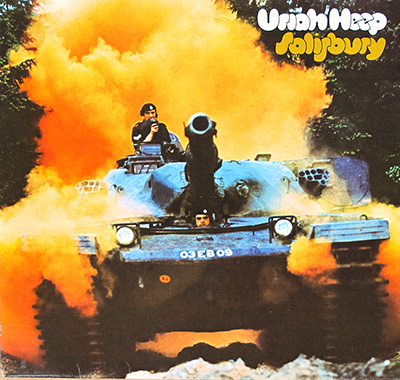
1970s: the rise, the bloat, the glory. They came out swinging in 1970, and by 1971 they were already refusing to sit still. Salisbury has that 16-minute title track with a 24-piece orchestra—an audacious move that either makes you grin or makes you roll your eyes. I grin. A year later, the classic early-’70s machine locks in: Box, Byron, Hensley, Lee Kerslake, and (now) Gary Thain—leaner, tougher, and somehow even more melodic. Demons and Wizards (1972) didn’t “catapult” them; it kicked the door off its hinges. “Easy Livin’” still sounds like a band sprinting downhill and enjoying the lack of brakes.
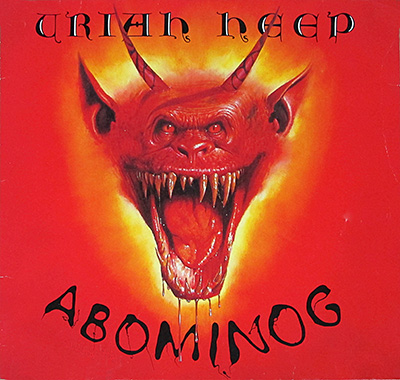
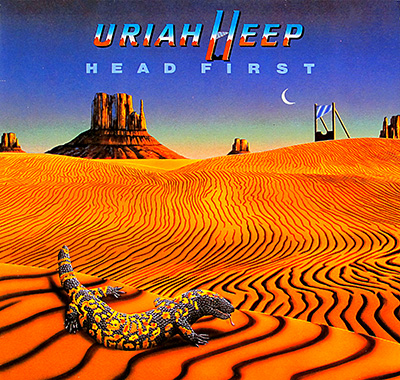
1980s: survival without begging for approval. The decade didn’t exactly scream “Uriah Heep” on the surface—new wave, MTV gloss, fashion crimes—yet they kept moving. The band reshuffled again (as they always did), and instead of pretending it was 1972 forever, they tightened up and aimed for a punchier hard-rock shape. Abominog (1982) is the reset button: “Too Scared to Run” doesn’t politely introduce itself; it lunges. Head First (1983) follows with the same sharper edge. Were they the kings of the charts again? No. Did they sound like a band that refused to become a nostalgia act for people who don’t actually listen? Yes—and that’s the part I respect.
If you want neat narratives, you won’t like them. If you want a band that keeps showing up, slightly scorched, still loud, still stubborn—welcome in.