RORY GALLAGHER IRISH TOUR ’74 EEC RELEASE GATEFOLD / FOC 12" VINYL LP ALBUM

- The night Ireland caught fire and blues-rock stopped pretending to be polite

Album Front Cover Photo of Rory Gallagher – Irish Tour ’74 Visit: https://vinyl-records.nl/

This is the EEC release of "Irish Tour ’74", a blues-oriented rock double album by Rory Gallagher. The record was compiled from live recordings made during concerts on his Irish tour in January 1974, captured at Belfast’s Ulster Hall, Dublin’s Carlton Cinema, and Cork City Hall. One track, “Back On My Stompin’ Ground (After Hours),” comes from a jam session recorded with the Lane Mobile Unit during the tour itself. This page documents the album with photos of the covers, inner sleeves, record labels, and includes detailed production information, musicians, and the complete track listing.

Table of Contents

"Irish Tour '74" (1979) Album Description:

"Irish Tour '74" is the moment Rory Gallagher stops being “a great guitarist” and becomes a full-on weather system—rain, thunder, steam rising off the stage, the whole deal. This EEC 1979 double-LP is basically a time machine: pressed later, but built from the January 1974 Irish shows where Rory, Gerry McAvoy, and Rod de'Ath sound like they’re playing for their lives and your soul at the same time.

1. Introduction on the band and the album

Rory’s band here is a lean, mean live engine: no glossy studio safety net, just a hard-touring blues-rock unit that knows exactly when to punch and when to breathe. The recordings come from concerts in Belfast (Ulster Hall), Dublin (Carlton Cinema), and Cork (City Hall), and you can feel the rooms in the grooves—crowd energy included, whether you asked for it or not. I absolutely did.

2. Historical and cultural context

This record has a perfectly normal split timeline: the performances were recorded during Rory Gallagher’s Irish Tour in 1974, while this particular issue of the album was released later, in 1979, stamped “Made in EEC.” Live albums often arrive years after the concerts—sometimes because the artist’s momentum grows, sometimes because labels and reissue cycles catch up, and sometimes because the tapes finally get the release they deserved. By 1979, rock was getting flashier and louder in a different way, yet Rory’s thing stayed stubbornly human—sweat-first, ego-last—proof that you don’t need glitter when the music already sweats truth.

3. How the band came to record this album

This wasn’t a “let’s capture a tour for marketing” kind of project. It reads like Rory’s personal mission statement: go home, play hard, record the truth. Even the “After Hours” bit comes from a jam during the tour, recorded with the Lane Mobile Unit, which is basically the most Rory Gallagher sentence imaginable: work all night, then work some more.

4. The sound, songs, and musical direction

The sound is Irish blues rock in its most alive form: traditional blues bones, gritty rock muscle, and that Celtic phrasing that makes the melodies feel like they’ve been lived in for generations. It’s not “polished,” it’s present—like you can hear the air move when the band hits a turn together.

When “Cradle Rock” kicks in, it’s pure forward motion—no hesitation, no apology. “Tattoo’d Lady” has that crowd-charged bounce where the riff feels like it’s grinning at you. And when the set slides into “Too Much Alcohol” and “As the Crow Flies,” the band doesn’t just play the blues—they weaponize it into something rowdy, resilient, and weirdly comforting.

Side Three is where Rory turns the dial from “hot” to “are we sure the stage is fireproof?” “Walk on Hot Coals” lives up to its name, and “Who’s That Comin’” has that rolling momentum that makes you picture the doors of the venue vibrating in their hinges. Then “Back on My (Stompin’ Ground) (After Hours)” feels like the band stumbling into a late-night room and accidentally inventing a better version of time.

Instruments and gear used on these concerts

On paper, it’s simple: Rory on vocals, guitars, and mandolin, McAvoy on bass, de'Ath on drums. In practice, it’s a whole ecosystem—Rory shifting between biting electric attack and that sharper, folk-tinged mandolin color, while the rhythm section keeps the floor from collapsing under all that energy.

The other “gear” that matters here is the recording setup itself: the Lane Mobile Unit catching not just the main performances but the after-hours jam energy too. That mobile-studio vibe is part of why the album feels documentary-real instead of “live album as product.”

5. Comparison to other albums in the same genre/year

If you stack this next to other mid-70s blues-rock statements, the big difference is how unfiltered it is. Plenty of records in that era had great playing, but this one has that “no exit, only forward” live momentum—where mistakes would be part of the charm if they happened, and the risk is the whole point.

  • Many live blues-rock LPs: chase “big moments.” This one lives in them.
  • Many guitar records: flex. This one communicates.
  • Many double albums: feel long. This one feels like a night that ended too soon.
6. Controversies or public reactions

This album’s “controversy,” if you want to call it that, isn’t about shock lyrics or scandal artwork. It’s about context: recording and performing across Ireland in January 1974 carried a weight all its own, and the result doesn’t sound like escapism—it sounds like a roomful of people choosing to feel alive together for a couple of hours.

How the concerts were perceived in Ireland

You can hear the reaction without needing a historian: the crowds don’t politely clap, they lean in. Belfast, Dublin, Cork—different rooms, same sense of pride, like Rory wasn’t just touring Ireland, he was answering a call. It comes across as a homecoming where the audience isn’t a backdrop; it’s a co-signer.

7. Band dynamics and creative tensions

What I hear here is the opposite of messy band politics: it’s trust. Rory produced the record, and you can tell he’s chasing honesty more than perfection; McAvoy keeps the whole thing grounded; de'Ath plays with that mix of muscle and swing that makes fast numbers feel dangerous and slow numbers feel inevitable.

8. Critical reception and legacy

The legacy of "Irish Tour '74" is that it keeps recruiting new believers, decade after decade, because it doesn’t sound dated—it sounds like a band doing the only thing that ever mattered: showing up and delivering. The 1979 EEC pressing adds its own collector flavor, but the real value is the captured atmosphere—proof that Rory’s live reputation wasn’t hype, it was evidence. {index=9}

9. Reflective closing paragraph

Every time I drop the needle on this one, I get the same feeling: the sleeve opens like a door, and suddenly I’m in a packed Irish hall with the amps breathing and the band hitting that sweet spot where time stops arguing. Decades later, the grooves still smell faintly of beer, sweat, and misplaced optimism—and honestly, that’s kind of the whole point.
Album Key Details: Genre, Label, Format & Release Info

Music Genre:

Irish Blues Rock

Irish blues rock blending traditional blues structures with gritty rock energy, marked by soulful vocals, expressive guitar work, and a distinctly Celtic sense of phrasing and atmosphere.

Label & Catalognr:

Chrysalis – Cat#: 300 693

Album Packaging

Gatefold / FOC (Fold Open Cover) album cover design with artwork and photos printed on the inside cover pages.

Media Format:

Record Format: Double 12" Vinyl Stereo Gramophone Record
Total Weight: 230g

Release Details:

Release Date: 1979

Release Country: Made in EEC

Collector’s Note: Made in EEC (1979)

Note: By 1979, the EEC had nine member countries.

The original six were Belgium, France, Italy, Luxembourg, the Netherlands, and West Germany.

Then the UK, Ireland, and Denmark joined in 1973. Greece was knocking on the door but didn’t officially join until 1981.

Production & Recording Information:

Producers:
  • Rory Gallagher – Producer

    More than a credit line, this is Rory steering the whole live storm so it hits with maximum punch and zero fake shine.

    Rory Gallagher, produced "Irish Tour '74" like someone bottling lightning without turning it into a lab experiment. These recordings come straight out of the January 1974 Irish Tour shows (Belfast, Dublin, Cork), and the producer’s job here wasn’t to polish—it was to choose the takes, shape the flow, and keep the band’s momentum intact so the album feels like one continuous night rather than a neat little scrapbook of “best moments.” The result is a live record that stays raw, loud, and human, while still landing with the clarity and pacing that makes a double LP feel essential instead of “long.”

Sound & Recording Engineers:
  • Robin Sylvester – Sound Engineer

    The unsung hero job: capturing a roaring band, a living crowd, and a real room—then making it all hit hard on vinyl.

    Robin Sylvester, handled the engineering for "Irish Tour '74" in the exact environment where things love to go wrong: live halls, big volume, fast changeovers, and a band that played like the stage owed them money. The engineering here isn’t “clean” in a sterile way—it’s alive in the best way, keeping Rory’s bite and dynamics while letting the crowd energy sit in the mix like heat in the room. On multiple releases, Sylvester is also credited with remix/mix work for the album, which explains why the record feels both immediate and listenable, instead of turning into a blurry bootleg fog.

  • Ronnie Lane's Mobile Studio – Mobile Recording Studio

    A full studio on wheels that made it possible to trap these Irish nights on tape instead of letting them vanish into legend.

    Ronnie Lane's Mobile Studio, was the recording setup used to capture the core concerts that became "Irish Tour '74." That matters because this album doesn’t sound like a “live recreation”—it sounds like the real halls in Belfast, Dublin, and Cork, with the band’s volume, crowd response, and room feel preserved instead of ironed flat. A mobile studio like this is basically the reason a live album can feel cinematic rather than distant: the gear travels to the moment, not the other way around.

Album Cover Design & Artwork:
  • Vincent McEvoy – Album Cover Art

    The sleeve does the job a live album sleeve should do: it sets the mood before the needle even lands.

    Vincent McEvoy, is credited with the cover art for "Irish Tour '74," and that credit matters because this record isn’t just sound—it’s atmosphere. The artwork frames the album as a document of a hard-earned, on-the-road moment, not a glossy greatest-hits victory lap, and it cues the listener for what’s coming: sweat, grit, and a band that sounds like it’s playing inches from your face. Good cover art doesn’t explain the music; it dares you to press play.

  • Mark Jesset – Artwork & Art Direction

    Art direction is the quiet craft of making the whole package feel like one story, not a pile of parts.

    Mark Jesset, is credited for artwork and art direction on "Irish Tour '74," which is basically the difference between “here are some images” and “here is the album’s identity.” On a gatefold double LP, presentation is part of the experience: how the visuals land, how the information is arranged, and how the whole sleeve invites a listener into the era. The design choices here support the record’s documentary feel—direct, unpretentious, and built to match the sound rather than distract from it.

Photography:
  • Ladbroke Films – Liner Photos

    Those inside-sleeve images aren’t decoration—they’re receipts, proving this tour actually happened in the real world.

    Ladbroke Films, is credited as the source for the liner photos on "Irish Tour '74," and that “courtesy” line does real work. The photos give the music a face and a setting—stage lights, crowd angles, the lived-in look of a touring band—so the album lands as a captured event instead of a myth. For collectors, those liner shots are part of the time capsule: a visual handshake that says, yes, this was the tour, these were the nights, and this is what it looked like when Rory’s band hit full burn.

Band Members / Musicians:

Band Line-up:
  • Rory Gallagher – Vocals, Guitars, Mandolin

    The guy who could make a Stratocaster sound like it owed him money, then make you feel bad for enjoying it.

    Rory Gallagher, the Irish blues-rock virtuoso with the kind of fiery guitar tone and lived-in vocals that feel less like “performance” and more like a confession. I always hear him as a musician who never hid behind studio polish: first breaking out in the late 1960s as the frontman of Taste (right up to 1970), then spending 1971 until his death in 1995 as a solo artist leading his own hard-touring band through countless stages, broadcasts, and live recordings. Rory Gallagher Wiki

  • Gerry McAvoy – Bass guitar

    I’ve always loved how McAvoy’s bass doesn’t just “support” the song — it calmly wrestles the whole band into a groove and refuses to let go.

    Gerry McAvoy, born John Gerard McAvoy in Belfast, Northern Ireland, is one of those rare bassists who can be both the engine and the glue at the same time — and I mean that as the highest compliment. He cut his teeth in Belfast/London circuit bands like Pride (late 1960s) and Deep Joy (late 1960s–1970), then got pulled into orbit when Rory Gallagher went solo after Taste ended. From 1971 to 1991, McAvoy became the backbone of Rory Gallagher’s band onstage and in the studio, locking in everything from raging power-trio blues to the tougher, later-era rock, without ever losing that human, breathing feel. After the Gallagher years, he kept rolling with Nine Below Zero (early 1990s–2011), and later brought the spirit of those Rory songs back to the stage with Gerry McAvoy’s Band of Friends (2010s–present) — not as a museum act, but as a living, sweating celebration.

 
  • Lou Martin – Keyboards / Piano

    In my head, he’s the guy who could turn Rory’s blues-rock into a full-color movie soundtrack without ever stealing the spotlight.

    Lou Martin, born Louis Michael Martin in Belfast, Northern Ireland (1949–2012), is one of those keyboard players I clock instantly: bluesy hands, rock-solid timing, and a taste for drama that never tips into cheesy. He broke in as the piano/organ player with the London blues band Killing Floor (from spring 1968 into the early 1970s), then got pulled into Rory Gallagher’s world after drummer Rod de’Ath recommended him—ending up as a key part of Gallagher’s classic early-70s line-up and appearing on albums like "Blueprint", "Tattoo", and "Irish Tour '74", before that era wrapped up around the mid-1970s (with "Calling Card" being the last studio album to feature him). After the Rory years, he kept moving through the grit-and-grin circuit: forming Ramrod with de’Ath, and later playing with Downliners Sect and Screaming Lord Sutch, plus touring work with the likes of Chuck Berry and Albert Collins—because apparently “rest” was not in the job description.

  • Rod de'Ath – Drums

    In my book, Rod de'Ath is the kind of drummer who makes a band sound more alive just by being slightly, deliciously “wrong” in all the right places.

    Rod de'Ath (born Roderick Morris Buckenham de'Ath) was a Welsh drummer who helped drive what a lot of people (yeah, me included) think of as Rory Gallagher’s peak live-and-studio firestorm years. He was playing with Killing Floor when he got the call to step in for Wilgar Campbell on a European leg in 1972—one of those “you up?” moments that turns into a whole era—and once Campbell left, de'Ath became the full-time drummer. From there he stayed in Rory’s band until 1978, powering recordings like "Blueprint" (1973), "Tattoo" (1973), "Irish Tour '74" (1974), "Against the Grain" (1975), and "Calling Card" (1976) with a style that felt both muscular and oddly slippery (in a good way, like the groove has elbows). After Rory, he teamed up with Lou Martin in Ramrod, spent time with Downliners Sect, and even cut recordings with Screaming Lord Sutch in 1981—then a serious accident in the mid-1980s effectively ended his ability to play. Rod de'Ath on Wikipedia

Complete Track-listing:

Tracklisting Side One:
  1. Cradle Rock
  2. I Wonder Who
  3. Tattoo’d Lady
Tracklisting Side Two:
  1. Too Much Alcohol
  2. As the Crow Flies
Tracklisting Side Three:
  1. Walk on Hot Coals
  2. Who’s That Comin’
Tracklisting Side Four:
  1. Back on My (Stompin’ Ground)
  2. Just a Little Bit

Disclaimer: Track durations shown are approximate and may vary slightly between different country editions or reissues. Variations can result from alternate masterings, pressing plant differences, or regional production adjustments.

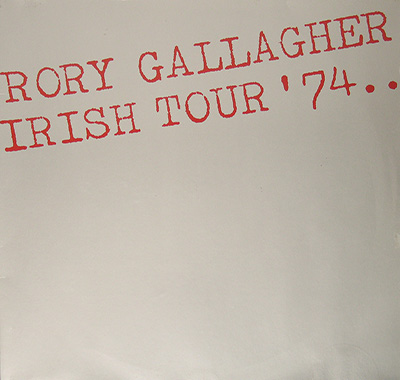
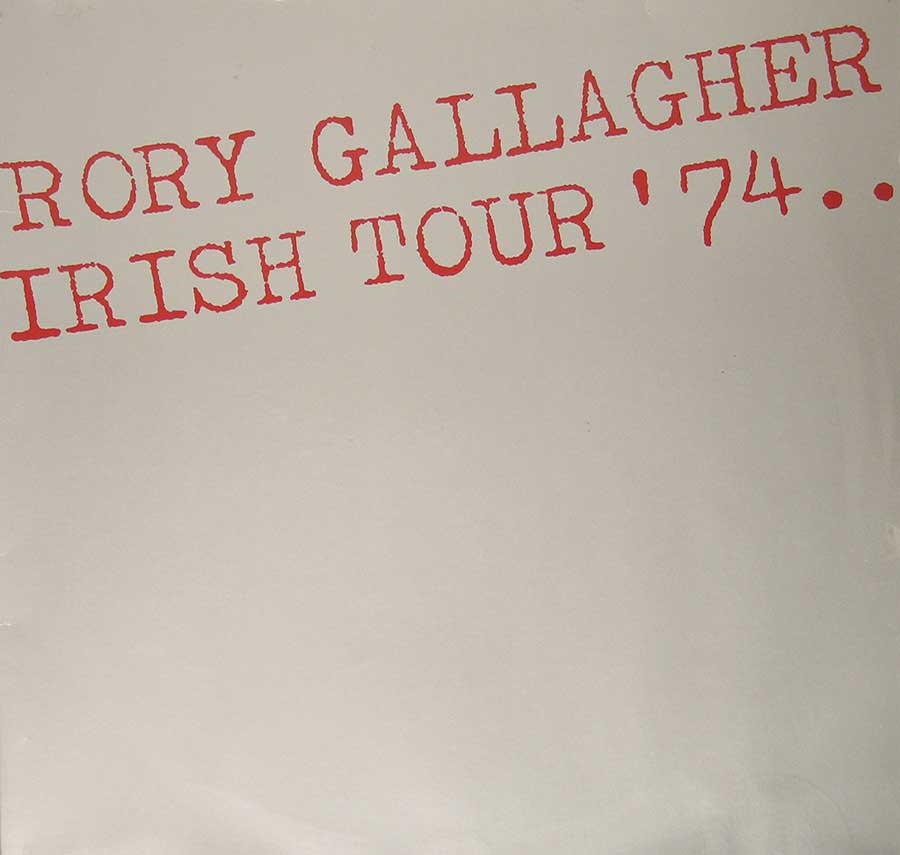
Album Front Cover Photo
Front cover of Rory Gallagher’s Irish Tour ’74 double LP, showing a stark off-white background with distressed red, stamped-style lettering reading ‘Rory Gallagher Irish Tour ’74’. The typography appears deliberately rough and uneven, like ink pressed by hand, with visible texture and slight inconsistencies that emphasize a raw, documentary live-album aesthetic rather than a polished studio design.

This front cover is all about restraint and intent. The entire sleeve is built around an off-white, almost cream-colored background with no imagery, no photos, and no decorative framing. The surface looks matte and slightly warm in tone, the kind of paper stock that immediately signals a 1970s European pressing rather than a later glossy reissue.

Across the upper portion of the sleeve runs the album title and artist name in bold red lettering: “Rory Gallagher Irish Tour ’74.” The text is not clean or typeset in a modern sense. Each letter looks rough-edged, uneven, and slightly irregular, as if stamped or screen-printed rather than printed by offset lithography. That roughness is not accidental; it mirrors the live, unfiltered nature of the recordings inside the sleeve.

The spacing of the letters is tight and purposeful, with the words angled slightly due to the camera framing but clearly aligned horizontally on the actual cover. The red ink shows subtle variations in density, with some areas appearing darker and others lighter, suggesting either ink saturation differences or light wear from decades of handling. For collectors, this texture matters because it helps distinguish original-era sleeves from later reproductions that tend to look too clean.

There are no logos, no catalog numbers, and no label branding visible on the front. That absence is a statement. The sleeve presents the album as a document of events rather than a commercial product. It feels closer to a tour poster or a stamped envelope than a conventional rock LP cover, reinforcing the idea that these recordings were captured on the road, in real halls, under real conditions.

The photo itself is taken straight-on and tightly framed, focusing only on the typography and paper surface. Minor color variation is visible due to lighting and camera flash, especially near the edges of the image, but the overall condition appears clean and intact. No creases, tears, or heavy discoloration are apparent in this view, making it a solid reference image for collectors comparing pressings or sleeve states.

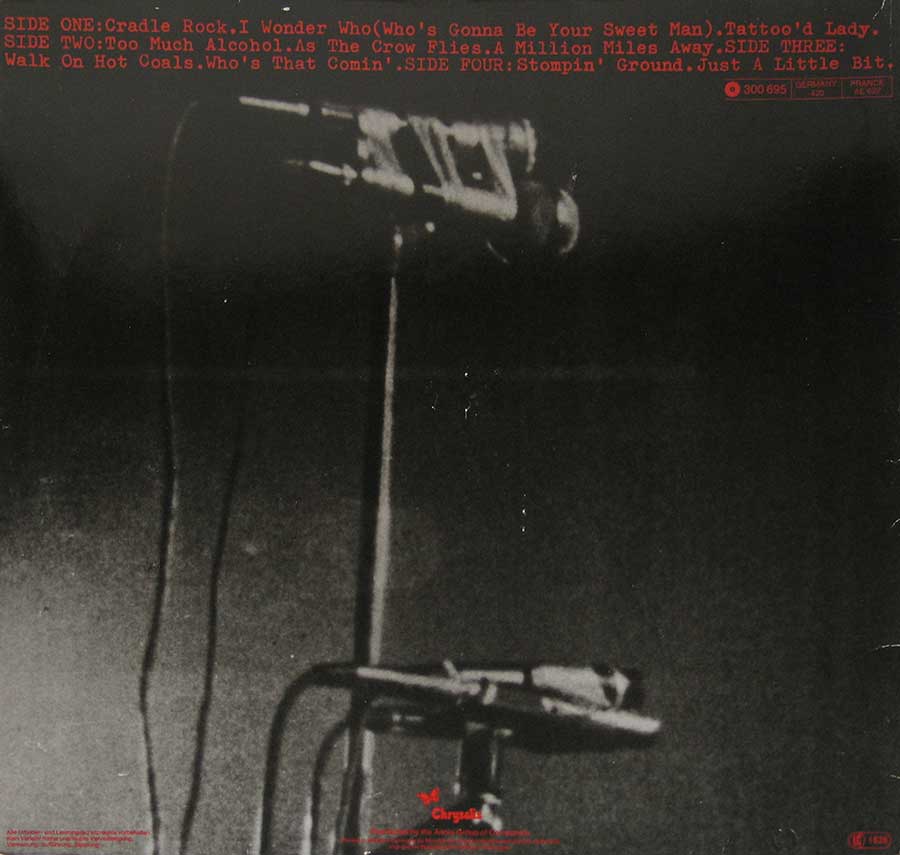
Album Back Cover Photo
Back cover of Rory Gallagher’s Irish Tour ’74 double LP, featuring a dark grainy stage photograph dominated by a microphone stand and stool, with red tracklisting text printed across the top and small Chrysalis label credits at the bottom, emphasizing the raw live-document character of the album.

This back cover is a study in restraint and atmosphere, built around a dark, nearly monochrome stage photograph that feels deliberately underlit. The image centers on a microphone stand positioned slightly off-center, rising vertically from a simple stool. The stool itself holds what appears to be a harmonica holder or small stage accessory, reinforcing the sense of a working musician’s setup rather than a styled photo shoot.

The background is deep black with visible film grain and subtle texture, likely from low-light concert photography. This grain is important from a collector’s standpoint because it confirms the period and intent: this is documentary imagery, not a cleaned-up studio still. The lighting falls unevenly, leaving much of the frame in shadow and pushing the focus toward the mic stand as a symbol of the performance rather than the performer.

Along the very top edge of the sleeve runs the complete tracklisting, printed in red text that matches the front cover typography. The lettering is compact and functional, listing each side in sequence. The red ink stands out sharply against the black background, making the text readable without breaking the album’s austere visual language.

In the upper right corner, small catalog and manufacturing details are printed in red, including the Chrysalis catalog number and country references. These details are subtle but crucial for identifying this specific EEC pressing. At the bottom center, the Chrysalis logo appears in red, understated but unmistakable, accompanied by fine-print copyright and production credits.

The photo is framed straight-on, with no dramatic angle or cropping tricks. Minor speckling and light dust marks are visible, likely from the original sleeve surface or the photographic process, but no major damage or creasing is apparent. Overall, this back cover reinforces the album’s identity as a captured moment: no glamour, no excess, just the tools of the trade left on a darkened stage after the noise has faded.

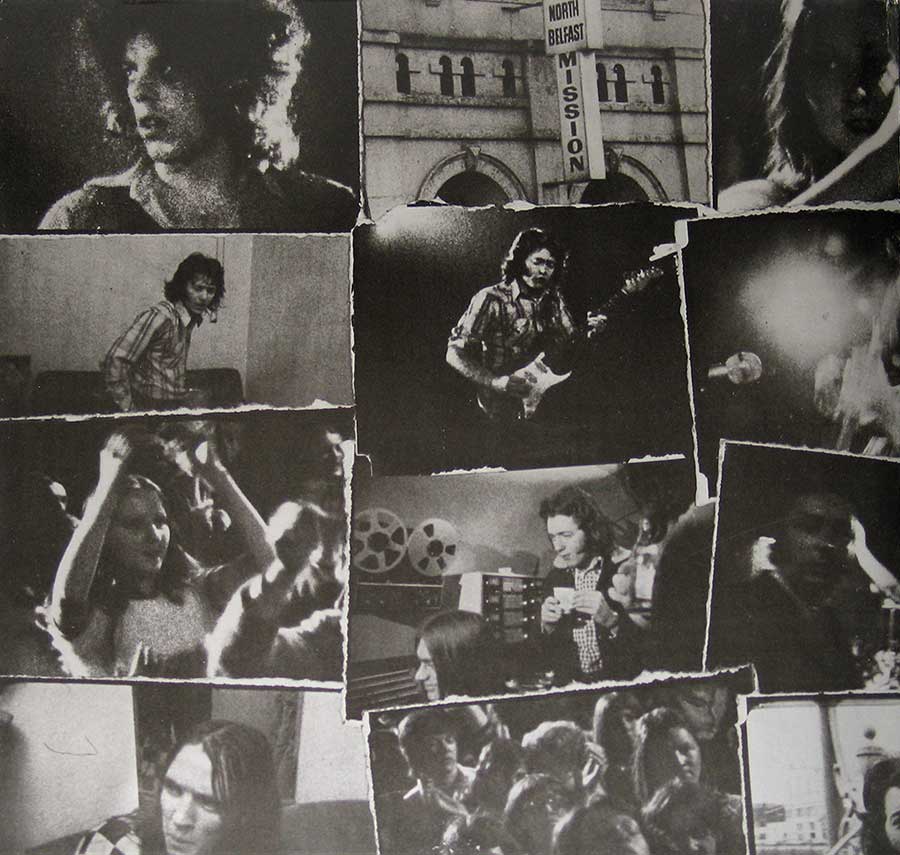
Photo One of Inside Page Gatefold Cover
Left inside gatefold image of Rory Gallagher’s Irish Tour ’74 double LP, showing a collage of grainy black-and-white photographs with torn-paper edges, depicting Rory Gallagher on stage with guitar, close-ups of faces, audience reactions, and candid backstage moments arranged in a rough documentary layout.

This left-hand gatefold panel is built as a dense collage of black-and-white photographs, arranged like ripped clippings pasted together rather than neatly laid out. Each image has deliberately rough, torn edges, creating a tactile, handmade feel that immediately separates this sleeve from polished studio-era designs. The paper texture and visible grain suggest original film photography reproduced without heavy retouching.

Several frames focus on Rory Gallagher mid-performance, guitar strapped high, body angled forward, caught in moments of concentration rather than showmanship. The lighting is harsh and uneven, typical of small to mid-sized halls, with blown highlights and deep shadows that reinforce the live-document aesthetic instead of fighting it.

Interspersed between the performance shots are candid images of people connected to the tour: audience members pressed close to the stage, faces turned upward, hands raised, and offstage moments that feel observational rather than staged. One image includes a building facade with a vertical sign reading “Mission” and “North Belfast,” grounding the tour firmly in real locations rather than abstract rock mythology.

The collage avoids hierarchy. No single photo dominates the panel, forcing the viewer to scan across the surface much like flipping through contact sheets. This matters to collectors because it reflects intent: the gatefold functions as visual evidence of nights spent on the road, not as a promotional portrait gallery.

Print contrast varies slightly between images, with some appearing softer and others sharper, consistent with mixed lighting conditions and film stocks. No obvious damage or heavy wear is visible in this reproduction, making it a reliable reference for original gatefold interiors. Overall, this panel reinforces the album’s core message: lived-in, unfiltered, and captured as it happened.

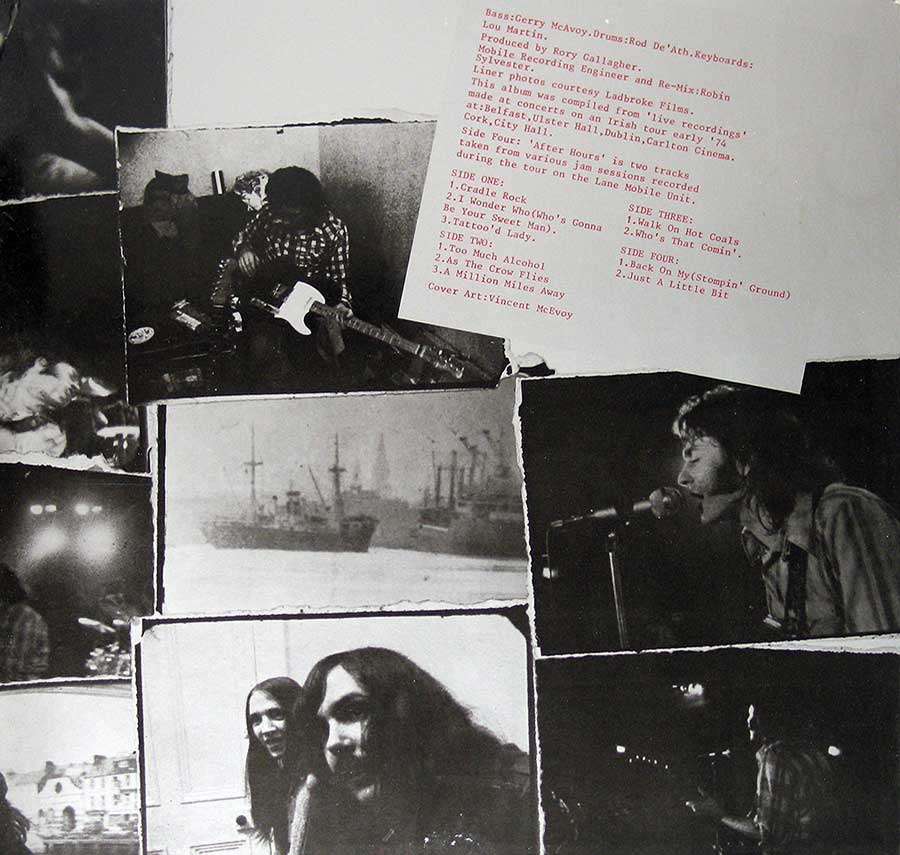
Photo Two of Inside Page Gatefold Cover
Right inside gatefold image of Rory Gallagher’s Irish Tour ’74 double LP, showing a black-and-white collage combining live performance shots, candid backstage moments, and printed production credits and tracklisting in red text, arranged with torn-paper edges in a documentary layout.

This right-hand gatefold panel continues the collage approach but adds a critical layer of information. Black-and-white photographs are again arranged with rough, torn edges, overlapping slightly and ignoring any strict grid. The layout feels assembled rather than designed, reinforcing the idea that this album documents events rather than stages them.

Several images show Rory Gallagher in close proximity to the microphone, captured mid-song with his guitar hanging low and his posture forward-facing. The lighting is harsh and directional, producing strong contrasts between illuminated faces and deep shadow. Other frames move away from the stage entirely, showing candid moments that feel off-duty: relaxed expressions, informal settings, and quiet pauses between performances.

One central image depicts an industrial harbor scene with ships and cranes, a visual break from the music-focused shots. This detail matters because it places the tour within real, working environments rather than abstract rock imagery. It quietly anchors the album in everyday locations passed through during travel, reinforcing the sense of motion and geography.

At the upper right, a block of red printed text lists musicians, production credits, recording locations, and the complete tracklisting by side. The typography matches the rest of the sleeve: compact, utilitarian, and slightly rough in reproduction. From a collector’s perspective, this text block is essential, as it confirms personnel, recording venues, and the Lane Mobile Unit sessions directly on the original sleeve.

Print density varies subtly across the panel, with some photos appearing softer and others sharper, consistent with mixed film sources and lighting conditions. No obvious tears or structural damage are visible in this reproduction, making it a solid reference image for original gatefold interiors. Together with the left panel, this side completes the album’s visual statement: factual, grounded, and unapologetically real.

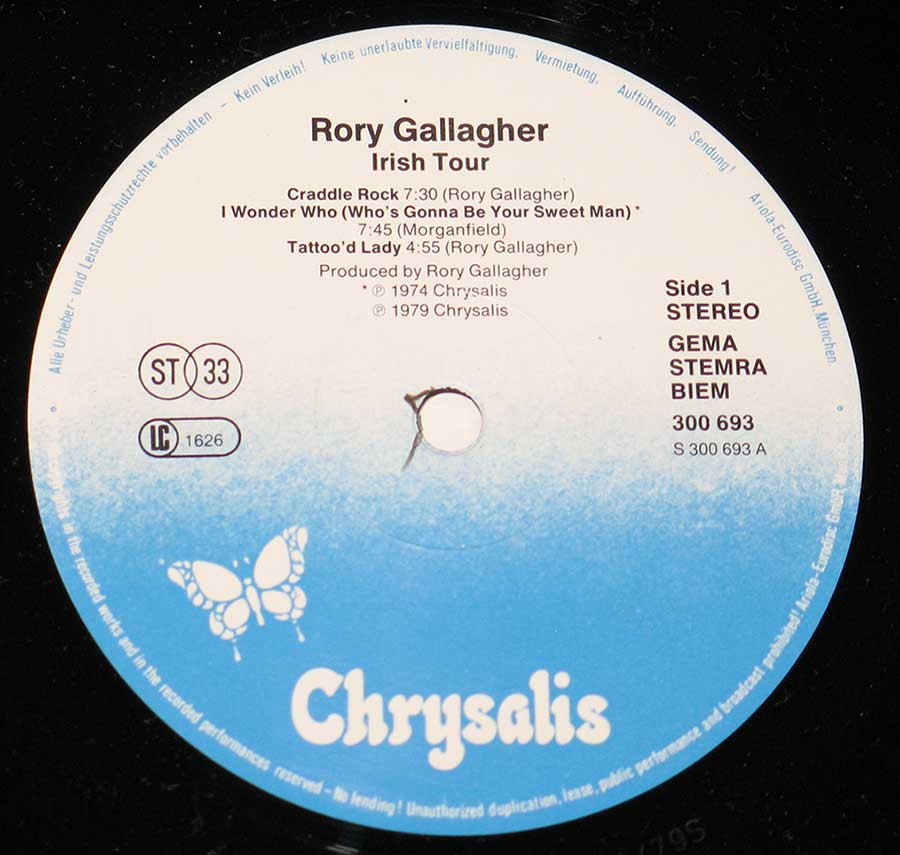
Close up of Side One record’s label
Close-up of Side One record label from Rory Gallagher’s Irish Tour ’74 double LP, showing the blue-and-white Chrysalis label with butterfly logo, track titles, timings, catalog number 300 693, rights societies, and stereo markings printed around the spindle hole.

This image shows a clean, centered close-up of the Side One label from the “Irish Tour ’74” double LP, pressed on the classic Chrysalis blue gradient label. The design fades from white at the top into a rich mid-blue at the bottom, a late-1970s Chrysalis house style that immediately dates the pressing to the EEC era rather than the original 1974 UK issue.

At the top of the label, “Rory Gallagher” and “Irish Tour” are printed in clear black text, followed by the Side One tracklisting. Each title is listed with precise running times, including “Cradle Rock,” “I Wonder Who (Who’s Gonna Be Your Sweet Man),” and “Tattoo’d Lady.” Composer credits appear in parentheses, confirming Gallagher’s authorship and Morganfield’s credit where applicable.

Just below the titles, the production credit reads “Produced by Rory Gallagher,” followed by dual copyright lines: ℗ 1974 Chrysalis and © 1979 Chrysalis. This combination is crucial for collectors, as it confirms live recordings from 1974 paired with a later EEC release date, distinguishing this pressing from earlier UK editions.

On the right-hand side, the technical identifiers are grouped neatly: “Side 1,” “STEREO,” and the rights societies GEMA, STEMRA, and BIEM. Beneath that sits the catalog number “300 693,” with the side-specific matrix reference “S 300 693 A,” essential details when matching labels to correct discs in a 2LP set.

On the left, the circular “ST 33” speed marking confirms standard 33⅓ RPM playback, alongside the boxed LC 1626 label code. The iconic Chrysalis butterfly logo dominates the lower portion of the label, printed in white against blue. The spindle hole is cleanly punched, with only minimal wear visible, indicating careful handling and making this label a reliable reference for condition assessment and pressing verification.

All images on this site are photographed directly from the original vinyl LP covers and record labels in my collection. Earlier blank sleeves were not archived due to past storage limits, and Side Two labels are often omitted when they contain no collector-relevant details. Photo quality varies because the images were taken over several decades with different cameras. You may use these images for personal or non-commercial purposes if you include a link to this site; commercial use requires my permission. Text on covers and labels has been transcribed using a free online OCR service.

Explore the Blues-Rock Legacy of Rory Gallagher Through His Comprehensive Vinyl LP Discography

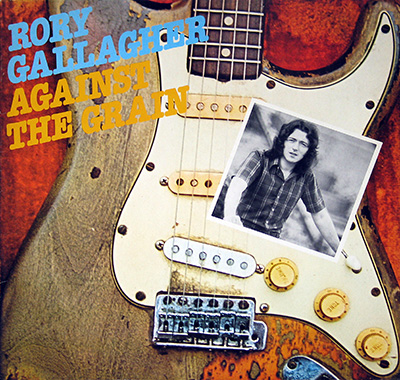
RORY GALLAGHER - Against the Grain
RORY GALLAGHER - Against the Grain album front cover vinyl record

Against the Grain emerged at a critical juncture in Gallagher's career. The Irish guitarist had already solidified his reputation as a formidable force, both as a solo artist and as the leader of the power trio Taste. His earlier albums, such as Rory Gallagher and Deuce, showcased his virtuosity on the guitar

Against the Grain 12" Vinyl LP
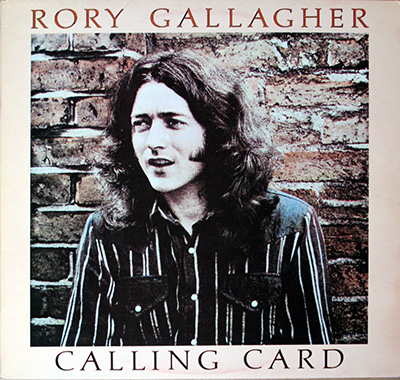
RORY GALLAGHER - Calling Card
RORY GALLAGHER - Calling Card  album front cover vinyl record

"Calling Card" is the sixth studio release by Irish singer/guitarist Rory Gallagher. A 1976 release, it was his second of four albums released on Chrysalis Records in the 1970s. Deep Purple/Rainbow bass guitarist Roger Glover co-produced with Gallagher:

Calling Card 12" Vinyl LP
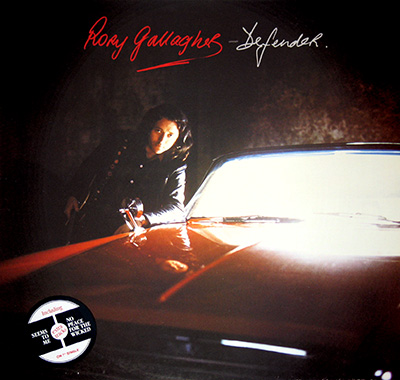
RORY GALLAGHER - Defender
RORY GALLAGHER - Defender album front cover vinyl record

By the mid-80s, the flamboyant excesses of hair metal and synth-pop dominated the airwaves, leaving little room for the gutsy, no-frills blues-rock that Gallagher championed. Yet, 'Defender' stands as a defiant middle finger to the prevailing trends, a monument to Gallagher's refusal to compromise

Defender 12" Vinyl LP
RORY GALLAGHER - Irish Tour '74 (EEC Releases) album front cover vinyl LP album https://vinyl-records.nl

Captured on Irish stages: Rory, McAvoy, de'Ath & Martin at tilt, sweaty proof!!!

RORY GALLAGHER - Irish Tour '74 (EEC Releases)

I reach for this album when I want proof, not polish. These Irish live recordings capture Rory Gallagher working the room in real time - riff, shuffle, and stomp, with the band reacting on instinct. McAvoy keeps the bass lines muscular and warm, de'Ath makes the grooves lurch in the best way, and the momentum never sags across four sides. It sounds like a working band, not a museum act, and that's exactly why it stays on my shelf.

RORY GALLAGHER - Irish Tour '74 (EEC Releases) album front cover vinyl LP album https://vinyl-records.nl

Rare live recordings from Rory Gallagher’s 1974 Irish homecoming tour

RORY GALLAGHER - Irish Tour '74 (German Release)

Recorded across Ireland in January 1974, this 2LP live set captures Rory Gallagher’s stage power in full flight—raw, loud, and totally unfiltered. The EEC gatefold edition keeps the focus on the performances and the tour atmosphere, making it a must for collectors chasing that classic live-document feel.

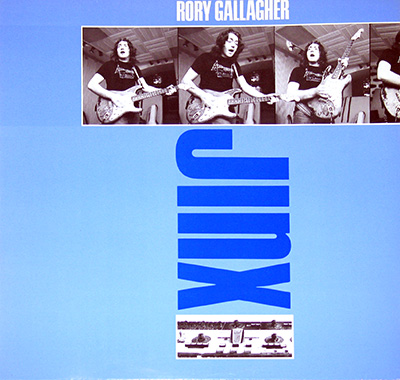
RORY GALLAGHER - Jinx
RORY GALLAGHER - Jinx album front cover vinyl record

By the time 'Jinx' hit the shelves, Gallagher had already amassed a devoted following, drawn to his incendiary live shows and his albums that crackled with an authenticity that was becoming increasingly rare in the era of MTV and synthesized pop. 'Jinx' was a continuation of this tradition, a no-frills

Jinx 12" Vinyl LP
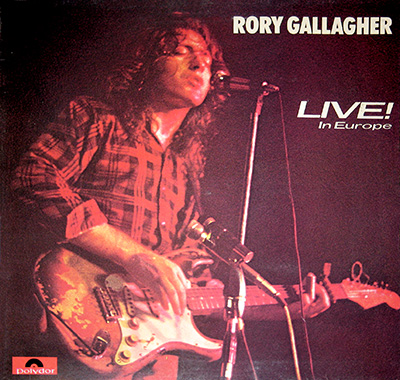
RORY GALLAGHER - Live In Europe (English and German Releases)
RORY GALLAGHER - Live In Europe (English and German Releases)  album front cover vinyl record

Rory Gallagher's "Live in Europe," a 1972 double LP, captures the Irish blues-rock guitarist's fiery live performances. Featuring a mix of originals and covers, this album showcases Gallagher's virtuosity and raw energy. Both the English and German releases are highly sought-after by collectors

Live In Europe (1972, England) Live in Europe (1972, Germany)
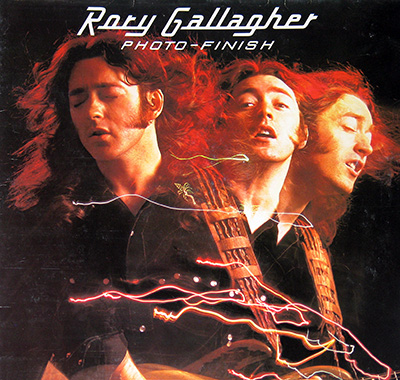
RORY GALLAGHER - Photo-Finish
RORY GALLAGHER - Photo-Finish album front cover vinyl record

Rory Gallagher's 1978 album, "Photo-Finish," showcases his signature blend of blues-rock with a harder edge. This 12" vinyl LP features powerful tracks like "Shin Kicker" and the introspective "Last of the Independents." "Photo-Finish" is a must-have for any Rory Gallagher fan or lover of guitar-driven rock music.

Photo-Finish 12" Vinyl LP
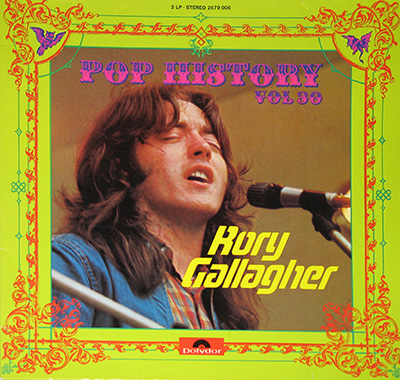
RORY GALLAGHER - Pop History Vol XXX
RORY GALLAGHER - Pop History Vol XXX album front cover vinyl record

Nestled within its gatefold sleeve, the biography (printed in both English and German) offers a glimpse into the man behind the music. Rory Gallagher, hailing from Ballyshannon, Ireland, emerged during a time when blues-rock was reaching its zenith. But unlike many of his contemporaries, Gallagher wasn't content

Pop History Vol XXX 12" Vinyl LP
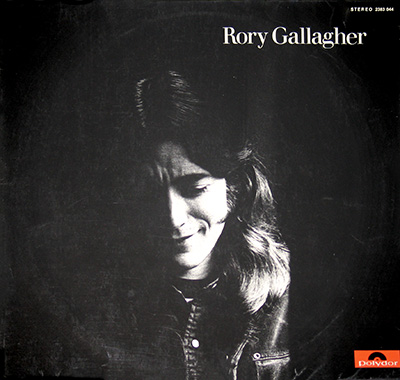
RORY GALLAGHER - Self-Titled
RORY GALLAGHER - Self-Titled album front cover vinyl record

The self-titled album, often referred to as "Rory Gallagher", showcases the immense talent and raw energy of the young guitarist, establishing him as a force to be reckoned with in the world of blues and rock music.

RORY GALLAGHER - Self-Titled 12" Vinyl LP
RORY GALLAGHER - S/T Self-Titled Pickwick
RORY GALLAGHER - S/T Self-Titled Pickwick album front cover vinyl record

Label , Year , Country

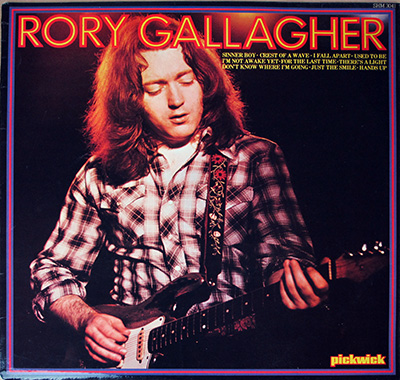
In the world of rock and roll, where the line between studio albums and compilations can often blur, Rory Gallagher's self-titled release on Pickwick Records stands as a testament to his raw power and electrifying blues-rock mastery. Released in 1971, this wasn't Gallagher's debut solo album

RORY GALLAGHER - S/T Self-Titled Pickwick 12" Vinyl LP
RORY GALLAGHER - Stage Struck Recorded Live
RORY GALLAGHER - Stage Struck Recorded Live album front cover vinyl record

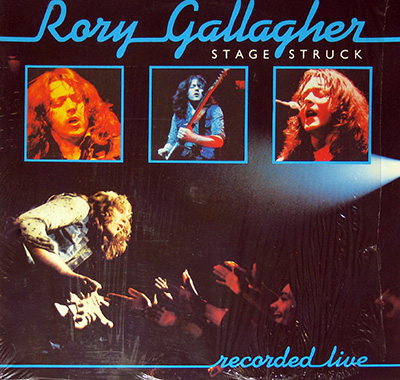
'Stage Struck' is a monument to Gallagher's relentless touring. These tracks, gathered from shows across the UK, bottle the raw energy and spontaneity of his live performances. Forget slick production and overdubs, this is Gallagher and his band, flaws and all, giving it their everything.

Stage Struck Recorded Live
RORY GALLAGHER - Story of Rory Gallagher
RORY GALLAGHER - Story of Rory Gallagher album front cover vinyl record

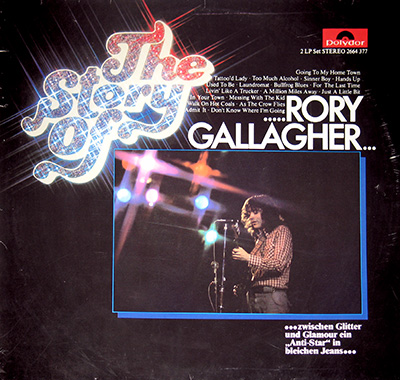
“The Story of Rory Gallagher” serves as a snapshot of this period, a compilation of studio recordings and live cuts that showcase the complete spectrum of Gallagher’s musical dexterity. From the scorching blues-rock of “Tattoo’d Lady” to the soulful balladry of “A Million Miles Away,” the album is a testament

Story of Rory Gallagher 12" Vinyl LP
RORY GALLAGHER - Top Priority
RORY GALLAGHER - Top Priority album front cover vinyl record

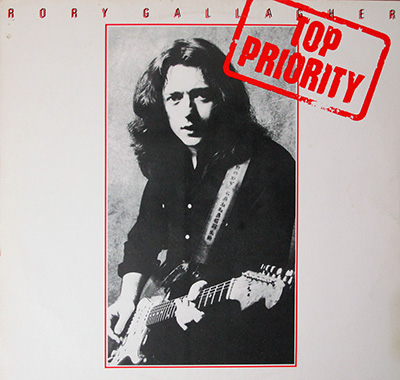
In the grand narrative of rock and roll, there are those guitarists who dazzle with flash and those who burn with intensity. Rory Gallagher was the latter, a fiery Irishman whose blues-rock guitar playing was as raw and honest as a punch to the gut. His 1979 album, "Top Priority," captures this essence perfectly

Top Priority 12" Vinyl LP
TASTE w/RORY GALLAGHER - Self-Titled
TASTE w/RORY GALLAGHER - Self-Titled album front cover vinyl record

The self-titled debut album by Taste, featuring the legendary Irish guitarist Rory Gallagher, was released in 1969, marking a significant moment in the blues-rock scene of the late 1960s. It was a time of great musical exploration and experimentation, with bands pushing the boundaries of blues and rock. Taste

TASTE w/RORY GALLAGHER - Self-Titled 12" Vinyl LP