METALLICA an Introduction:
The early 1980s metal scene had plenty of hairspray, plenty of pose, and plenty of bands who looked like they’d collapse if you turned the stage fan off. Then thrash showed up like a boot through a rehearsal-room door. Metallica weren’t the only ones swinging—but they swung hard, and they kept swinging long after the easy trends ran out of oxygen.
The spark is almost insultingly humble: Lars Ulrich drops an ad in Los Angeles paper The Recycler, James Hetfield answers, and suddenly there’s a band forming that sounds like it’s trying to outrun its own shadow. Officially, Metallica count their “born” moment as 28 October 1981, which feels right—like a date stamped on a weapon. Not a diary.
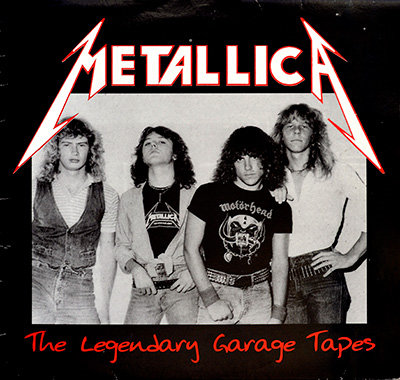
People love the neat “classic lineup” story, but the early version was messy on purpose: Ron McGovney on bass, Dave Mustaine on lead guitar, everyone running on attitude and cheap gear and borrowed time. Then came the upgrades that actually changed the chemistry—Kirk Hammett on lead guitar, Cliff Burton on bass—suddenly the band didn’t just sound fast, it sounded dangerous in a smarter way. Like someone taught the chainsaw to read music.
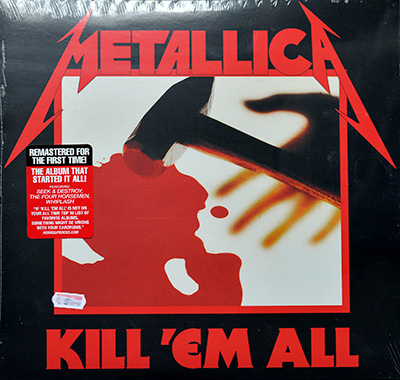
"Kill 'Em All" and the Birth of a Legend
"Kill ’Em All" hit on 25 July 1983 via Megaforce, and it still feels like it was recorded with the studio lights off and the red light taped over so nobody could say “maybe take another pass.” “Hit the Lights” doesn’t politely introduce itself; it lunges. “Whiplash” is basically cardio. “Seek & Destroy” is the one that made kids everywhere start a band with exactly three riffs and a lifetime of confidence.
Masterpieces and Mainstream Breakthrough
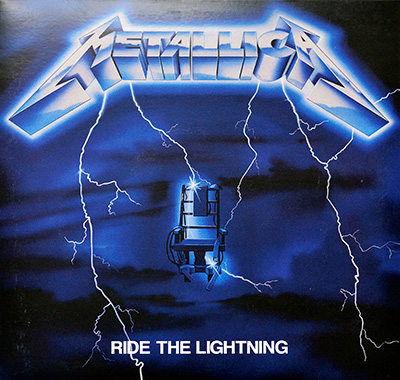
"Ride the Lightning" (released 27 July 1984) is where they stop being “those fast guys” and start being writers. The riffs get meaner, the structures get bolder, and they’re suddenly comfortable letting a song breathe—right before they choke you again. “For Whom the Bell Tolls” stomps. “Fade to Black” quietly proves they can do tension without speed. That’s not selling out. That’s leveling up.
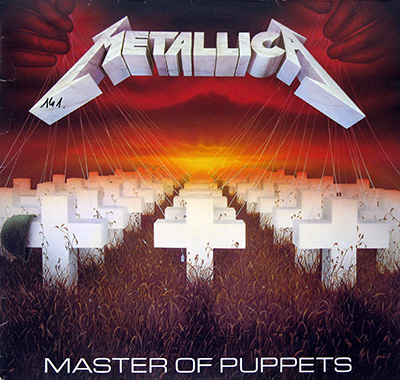
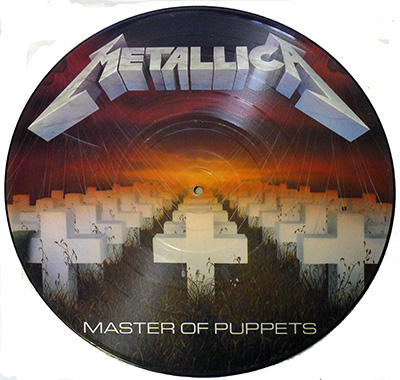
Then "Master of Puppets" (3 March 1986) arrives and makes a lot of other bands sound like they’re practicing in the next room. It’s precision, but not the sterile kind—more like a disciplined riot. “Battery” is ignition. “Welcome Home (Sanitarium)” has that slow-burn menace. The title track doesn’t “address” addiction; it drags you by the collar and shows you the leash.
Tragedy and Perseverance
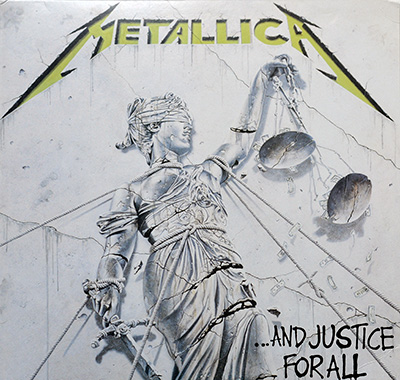
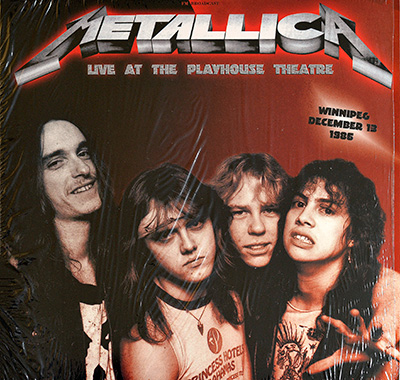
The 1986 bus crash in Dörarp, Sweden killed Cliff Burton while they were touring for "Master of Puppets". That’s the moment the legend gets its bruise. You can hear the before-and-after in the band’s posture: less grin, more grind. They carried on with Jason Newsted and eventually dropped "...And Justice for All" in late 1988—an album that’s brilliant, harsh, and famously stingy with audible bass. Yes, people are still arguing about it. They should.
Legacy
The 1980s Metallica story isn’t “important” because some textbook says so. It’s important because it changed what heavy music felt allowed to do: speed and structure, anger and craft, hooks that stick while the riffs try to take your head off. My quiet little anchor for all this? I don’t think about “legacy” when I put a Metallica record on—I think about the first time a riff made the room feel smaller. That’s the real trick. The rest is just people arguing on the internet, as nature intended.
References
- Metallica.com: Official History (formation via The Recycler, born date)
- Wikipedia: "Kill 'Em All" (release date 25 July 1983)
- Discogs: Metallica – "Kill 'Em All" (release info)
- Wikipedia: "Ride the Lightning" (release date 27 July 1984)
- Wikipedia: "Master of Puppets" (release date 3 March 1986; Burton death context)
- Wikipedia: "...And Justice for All" (release-date notes/ambiguity)
- Decibel Magazine: "...And Justice for All" (August 25, 1988 discussion)
- Vinyl Records Gallery (high resolution album cover photos)