Roger Waters: The Creative Genius Behind Pink Floyd
Roger Waters was born on 6 September 1943 in Great Bookham, Surrey. Before the world even had a chance to disappoint him properly, it took his father first: Eric Fletcher Waters was killed in Italy in February 1944, when Roger was still a baby. That absence isn’t trivia in his story — it’s the low note that keeps humming underneath everything else.
He turned up in London as an architecture student at Regent Street Polytechnic (the place now known as the University of Westminster), and that’s where the early Pink Floyd machinery started clanking into life with Nick Mason and Richard Wright. Not glamorous. Not mythic. Just young men, cheap rooms, instruments, and that stubborn belief that rehearsal might turn into a life.
The early Floyd years weren’t “the Roger Waters era” — Syd Barrett was the spark and the weird grin at the center of it. Waters comes into sharp focus after 1968, when Barrett is gone and the band’s daydreams harden into something more controlled, more pointed. Waters didn’t just write songs; he aimed them. You can hear the shift: less candy-floss psychedelia, more guilt, power, loneliness, and the feeling that society is one long corridor with bad lighting.
By the time The Wall lands in 1979, he’s not merely holding the bass — he’s building the whole room. A literal wall on stage, brick by brick, until the band is hidden behind its own idea… and then smashing it down again at the end. Subtle as a sledgehammer, sure. But it works because he means it. “Another Brick in the Wall” is his writing on the label, and “Comfortably Numb” has that classic split-personality beauty: Waters’ words, Gilmour’s music, and an argument baked right into the sound.
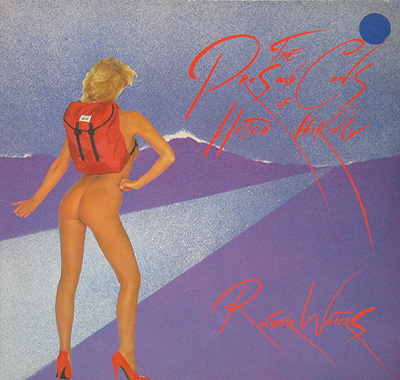
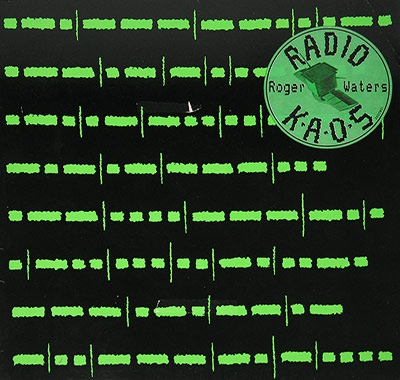
He left Pink Floyd in 1985, and honestly, by then it felt inevitable: too many strong wills in one capsule, and Waters was already thinking like a one-man theatre company. His solo records aren’t “side quests.” They’re the same instinct, just with fewer votes taken in the studio. The Pros and Cons of Hitch Hiking (1984) plays like a sleepless night you didn’t ask for. Radio K.A.O.S. (1987) stares at broadcast culture. Amused to Death (1992) drags the television into the dock like it’s a hostile witness. I remember playing that one late, the room dark, the TV off on purpose — and still feeling like the screen was somehow on.
Waters also refuses to keep politics politely folded away. Sometimes it’s brave. Sometimes it’s exhausting. He’s been outspoken on human rights and environmental issues, and he’s a prominent supporter of the Boycott, Divestment and Sanctions (BDS) movement — a stance that has attracted loud support, loud criticism, and real-world backlash, including cancellations and investigations in parts of Europe. He doesn’t do “quiet” on this stuff, and he doesn’t seem interested in being liked for it.
That’s the thing with Waters: he can be brilliant and irritating in the same breath. He’ll give you a melody that hangs in the air for decades, then glare at you like you personally invented greed. And somehow, annoyingly, he still makes you listen.
References / citations
- Encyclopaedia Britannica — Roger Waters biography
- Commonwealth War Graves Commission — Eric Fletcher Waters
- Pink Floyd (archived official site) — band biography / history
- Discogs — credits for "Wish You Were Here" (release listing)
- LouderSound — background on "Comfortably Numb"
- Vinyl-Records.nl — high-resolution album cover photos (collection reference)