"Babylon by Bus" (1978) Album Description:
By 1978, Bob Marley and The Wailers had become more than a band — they were a movement. “Babylon by Bus” captured that force in motion, a thunderous live document recorded across Europe that feels less like a concert and more like a traveling revolution set to riddim and roar.
Life on the Road, Life in the Fire
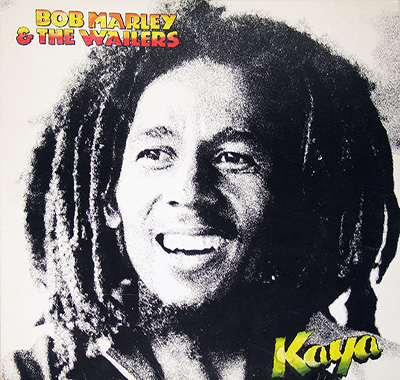
The late seventies were not gentle years. Jamaica was boiling politically, reggae had gone global, and Marley stood as its weary prophet. Coming off the spiritual introspection of “Exodus” and the gentler “Kaya,” the band took to the road in 1978 with a sense of purpose — and defiance. These were not gigs; they were sermons with feedback and basslines.
The Kaya Tour and the Stage as a Battleground
“Babylon by Bus” was recorded mostly at the Pavillon de Paris during the Kaya Tour, a trek that saw Marley and his Wailers deliver marathon sets filled with unity chants and deep grooves. You can practically hear the sweat and stage lights bouncing off the band’s syncopated pulse. Marley’s voice—equal parts command and compassion—cuts through the crowd noise like smoke through a projector beam.
The Sound: Steel Meets Spirit
This isn’t a tidy studio record. The mix is raw, full of stage echoes and spontaneous joy. The Barrett brothers’ rhythm section anchors every track with heartbeat precision, while the I-Threes—Rita Marley, Judy Mowatt, and Marcia Griffiths—wrap his vocals in warmth. Listen to “Exodus” here and you’ll feel the song’s transformation: once a studio march, now a sprawling public ritual. “Jamming” explodes like the encore of an uprising.
Compared to the Rest
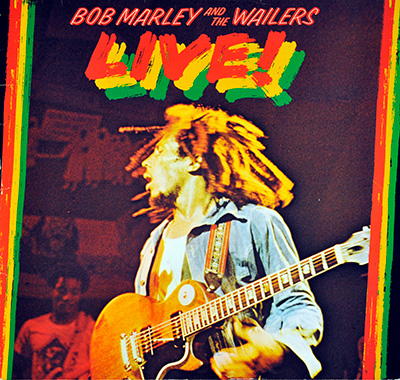
In the same year that punk acts were sneering at authority and disco was owning the airwaves, Marley was reminding the world that rebellion could also dance. Where “Live!” (1975) was fierce and lean, “Babylon by Bus” is richer and panoramic—proof that reggae could fill arenas without losing its soul.
Art and Symbolism on Wheels
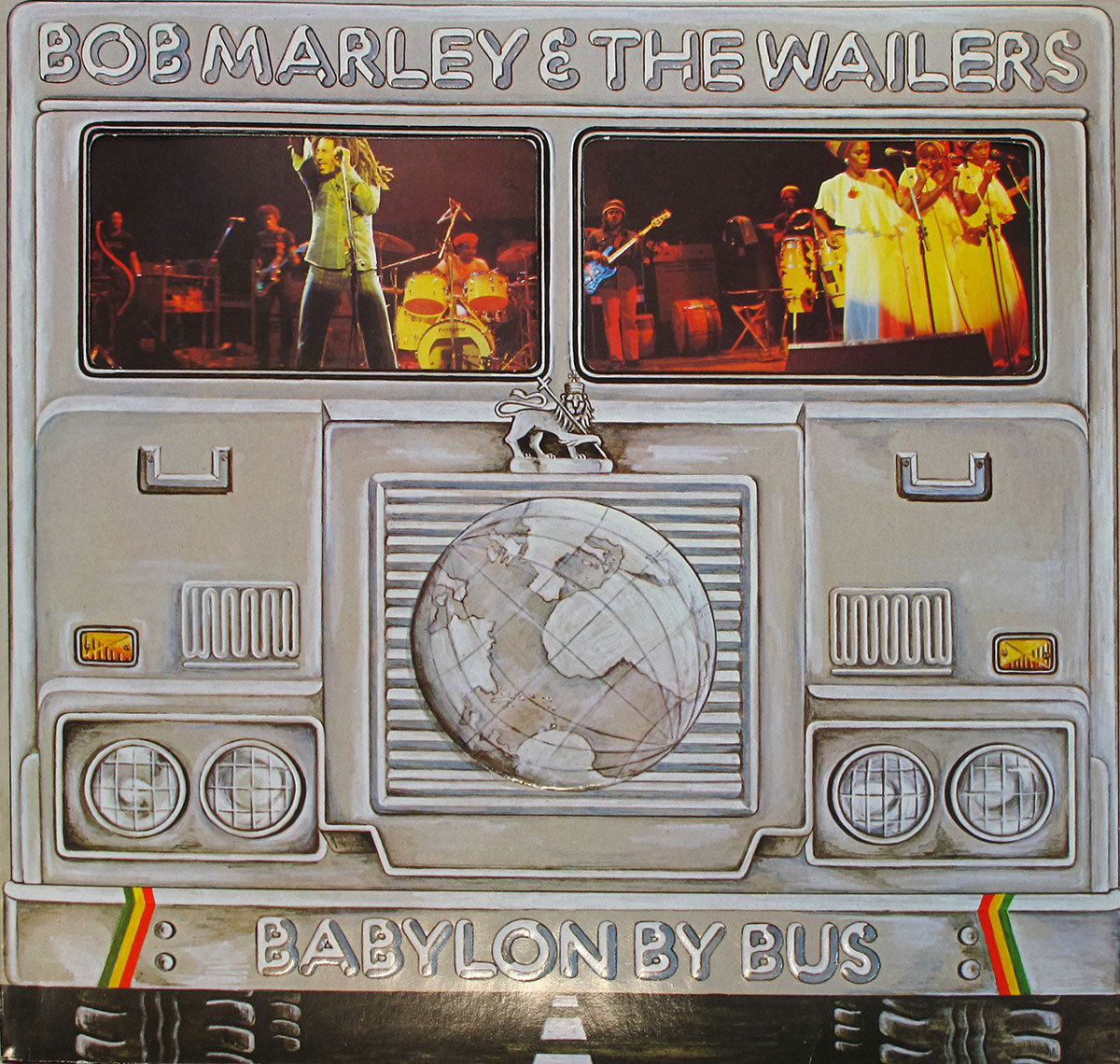
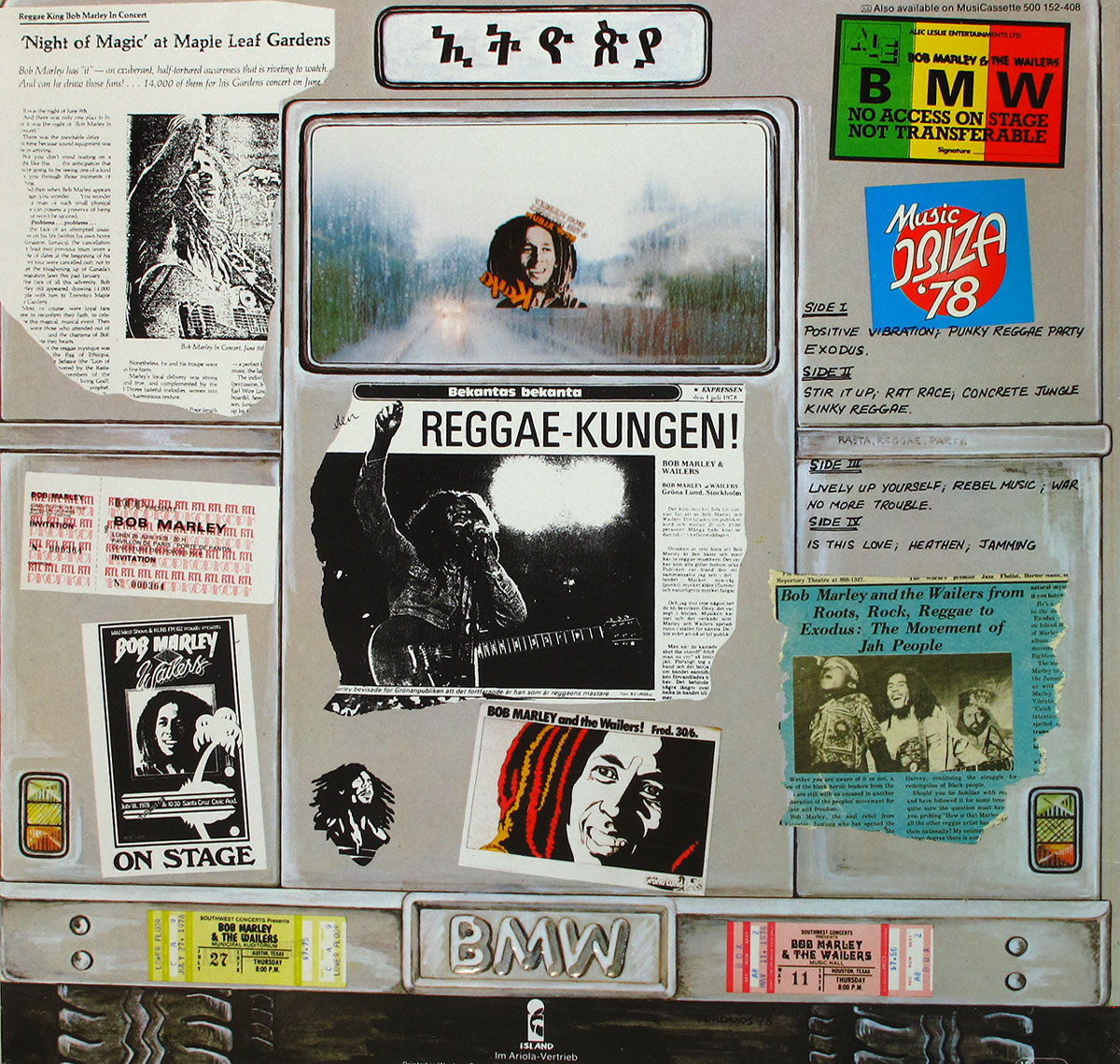
The cover design—a die-cut tour bus revealing alternate scenes behind its windows—says it all. Babylon, that biblical stand-in for oppression, now rolls through Europe packed with amplifiers and hope. Every time you slide the sleeve, you get a new glimpse of the journey. It’s one of those tactile album experiences the streaming age simply can’t counterfeit.
Legacy and the Echo Still Rings
“Babylon by Bus” remains one of the most electrifying live reggae albums ever pressed. Critics hailed it then, and collectors still chase clean copies now. It captured Marley at the height of his powers—alive, unfiltered, and reaching across continents. Decades later, when the needle hits “Stir It Up,” it still feels like stepping onto that stage in Paris, with Babylon temporarily held at bay by groove alone.
The vinyl may have aged, sleeves may have yellowed, but the message rides on: freedom sounds better through big speakers.