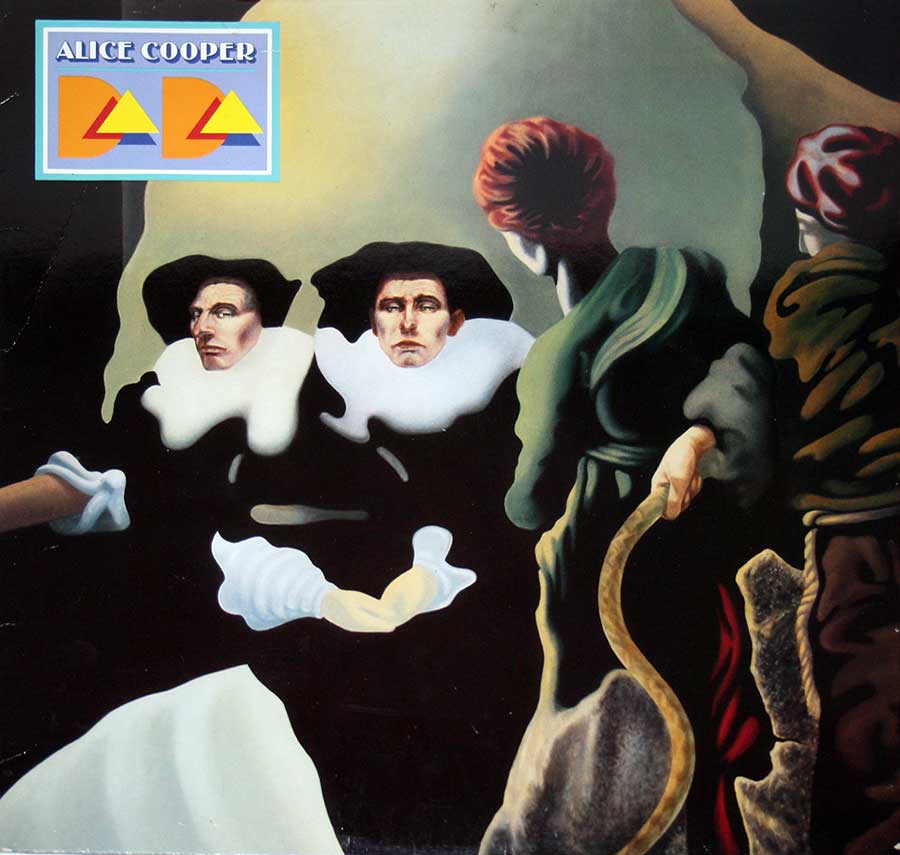
In the heart of the early 80s, amidst a whirlwind of synthesizers and new wave, Alice Cooper unleashed a sonic anomaly upon the world: "DaDa," his eighth solo studio album and a stark departure from his previous hard rock anthems. Released in 1983 by Warner Bros. Records, "DaDa" marked a pivotal moment in Cooper's career, as he delved into the depths of his own psyche, exploring themes of identity, insanity, and the absurd.
Historical Context and Musical Exploration:
The early 80s were a time of flux in the music industry. New wave and synth-pop were on the rise, while traditional rock bands struggled to maintain their relevance. Cooper, never one to shy away from experimentation, embraced the shifting tides and plunged headfirst into uncharted territory.
"DaDa" was a reflection of Cooper's personal struggles with addiction and his search for meaning in a chaotic world. The album's title, a reference to the Dadaist art movement, captured the essence of its musical and lyrical content: a rejection of logic, reason, and traditional forms.
Musical Genre and Controversies:
"DaDa" is difficult to categorize within a single genre. It incorporates elements of new wave, post-punk, experimental rock, and even hints of industrial music. The album's sonic landscape is a collage of dissonant melodies, jarring rhythms, and Cooper's trademark theatrical vocals.
The album's lyrical content was equally unsettling, tackling themes of mental illness, social decay, and the futility of existence. Some critics hailed "DaDa" as a masterpiece, while others dismissed it as self-indulgent and incoherent. Regardless of its reception, the album solidified Cooper's reputation as a fearless innovator who refused to be bound by convention.
Production Team and Recording Studio:
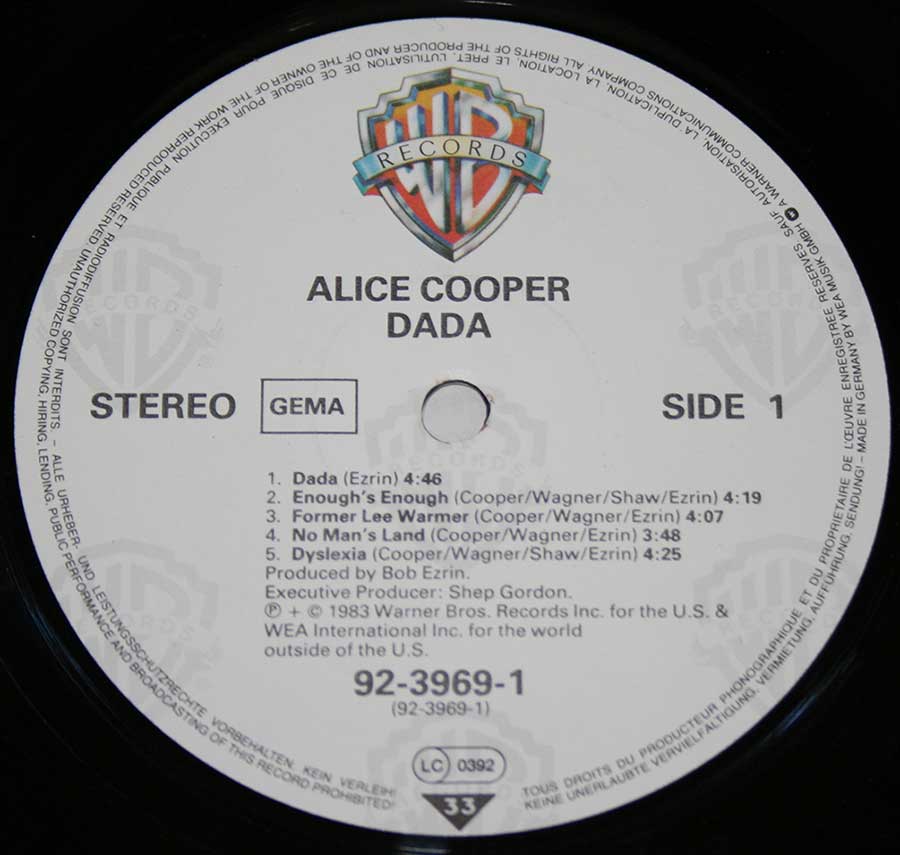
"DaDa" was produced by Bob Ezrin, a longtime collaborator of Cooper's, who also contributed to the album's songwriting and instrumentation. The album was recorded at Phase One Studios, a state-of-the-art facility in Toronto, Canada. Ezrin's production techniques, combined with the studio's cutting-edge technology, resulted in a unique and unsettling sound that perfectly complemented the album's themes.
A Sonic Journey into the Abyss:
From the opening track, "DaDa," to the closing notes of "Pass the Gun Around," the album takes the listener on a disorienting journey through a fragmented and surreal world. Songs like "Enough's Enough" and "No Man's Land" explore the depths of despair and alienation, while "Dyslexia" and "Scarlet and Sheba" offer glimpses of twisted humor and macabre imagery.
"DaDa" is not an album for the faint of heart. It is a challenging and often disturbing work that demands repeated listens to fully grasp its nuances. However, for those willing to venture into its dark recesses, "DaDa" offers a rewarding and unforgettable experience. It is a testament to Alice Cooper's artistic vision and his willingness to push the boundaries of rock music to their limits.