Alice Cooper - Description
Vincent Damon Furnier was born on 4 February 1948 in Detroit, Michigan. Early teens, the family winds up in Phoenix, Arizona, and he does what bored teenage boys with noise in their heads always do: he starts a band. First it’s a joke-name, then it’s serious. You can practically hear the desert heat in those early rehearsals.
The group goes from The Spiders to The Nazz (until the Todd Rundgren name-collision ruined that plan), and then the name “Alice Cooper” drops like a switchblade into the conversation. It wasn’t “branding.” It was mischief with ambition. By 1969 they’re on Frank Zappa’s Straight Records, cutting the off-kilter debut “Pretties for You,” followed by “Easy Action” in 1970—both albums twitchy, psychedelic, and a bit too strange to behave on command.
Then 1971 happens, and suddenly the chaos learns how to walk in a straight line. “Love It to Death” lands, Bob Ezrin helps sharpen the edges, and “I’m Eighteen” cracks the U.S. Billboard Hot 100 at #21. Not a squeaky-clean victory lap—more like a teenage snarl caught on tape. Short, sharp, and kind of immortal.
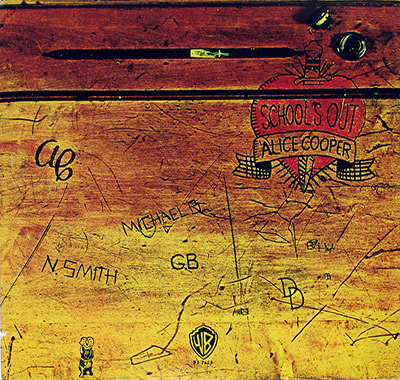
“School’s Out” (1972) is where the whole circus becomes the point. The song hits the U.S. Top 10, and the stage show turns into a roaming horror-comic: props, illusions, shock, timing. People like to file him under “early heavy metal,” and sure—some of that muscle is there. But what Cooper really sells is the feeling that rock ’n’ roll is allowed to be rude in public.
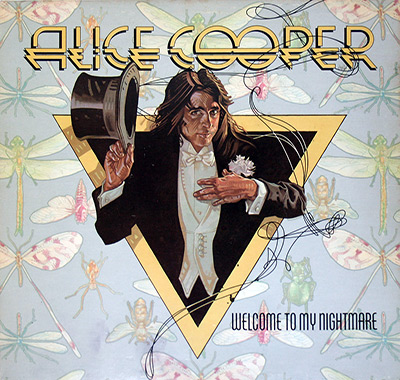
The original Alice Cooper band splinters in 1974, and Furnier keeps the name—because of course he does. “Welcome to My Nightmare” (1975) is the solo-era doorway, and the rest of the decade is a blur of touring, excess, and consequences. “From the Inside” (1978) isn’t just “introspective”; it’s what happens when the party finally sends you the invoice. He married Sheryl Goddard on 20 March 1976, and she’s not a footnote—dancer, choreographer, and the kind of steady presence that doesn’t get applause but keeps the whole machine from flying apart.
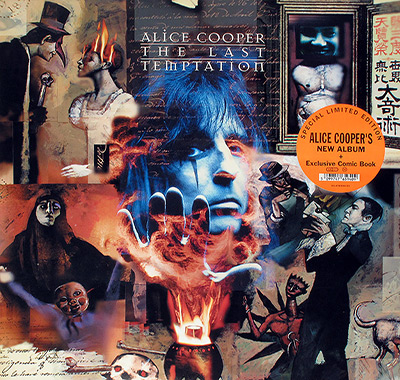
The later decades aren’t a “continued to” story—they’re a stubborn survival story. The shock gets polished, the songs keep coming, and when he wants to sound contemporary he can still throw elbows (“Brutal Planet” in 2000; “The Eyes of Alice Cooper” in 2003). And yes, the Rock and Roll Hall of Fame finally inducted the original Alice Cooper lineup in 2011. Better late than never, I guess. He’s not here to be tasteful. He’s here to be effective.
References
- Rock & Roll Hall of Fame: Alice Cooper (inductee page)
- Encyclopaedia Britannica: Alice Cooper (biography)
- AliceCooper.com: “Rock ’N’ Roll’s Danger-Evading Frankenstein” (band-name history)
- “I’m Eighteen” chart peak details
- Vinyl-Records.nl: Alice Cooper vinyl discography & high-resolution cover photo gallery