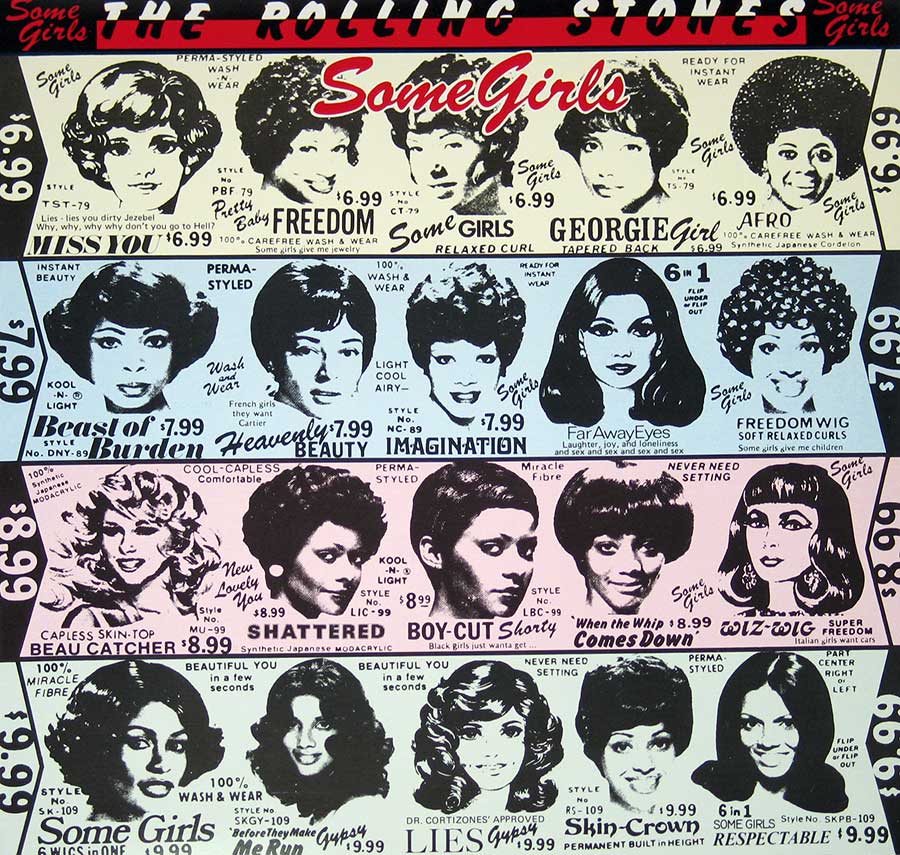
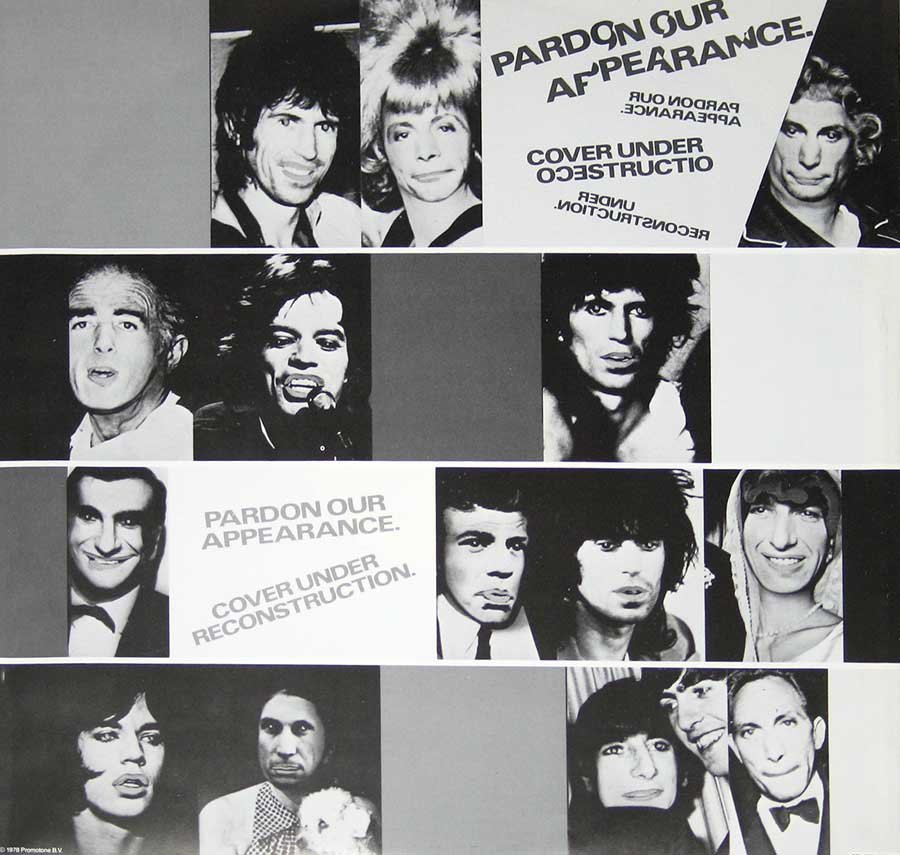
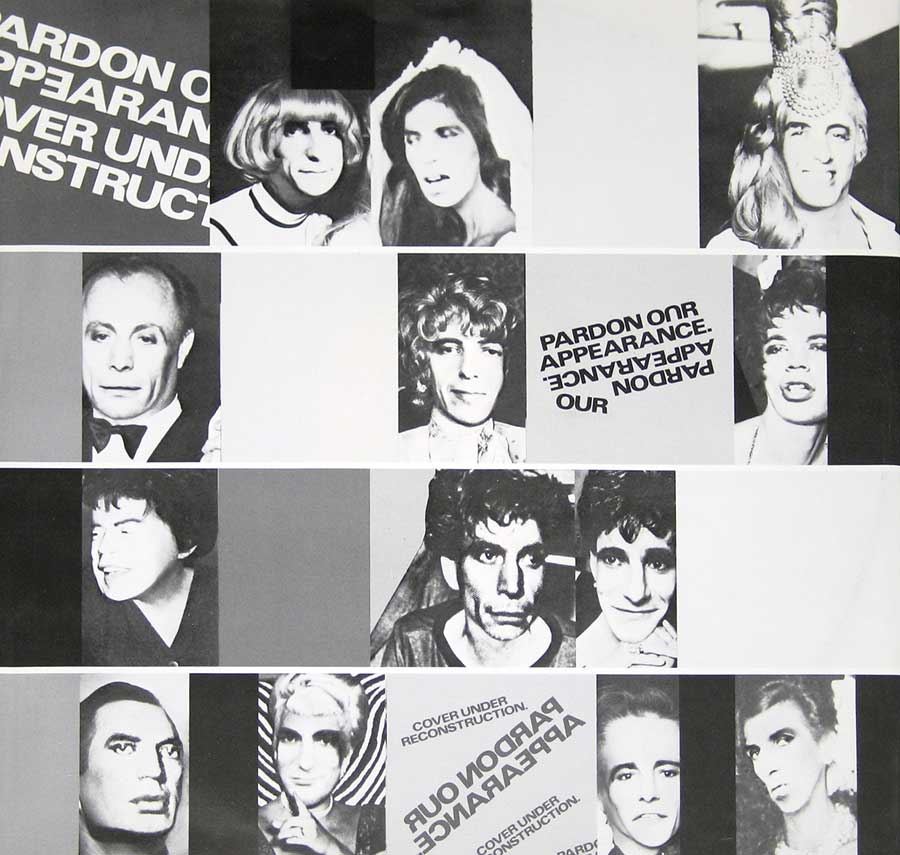
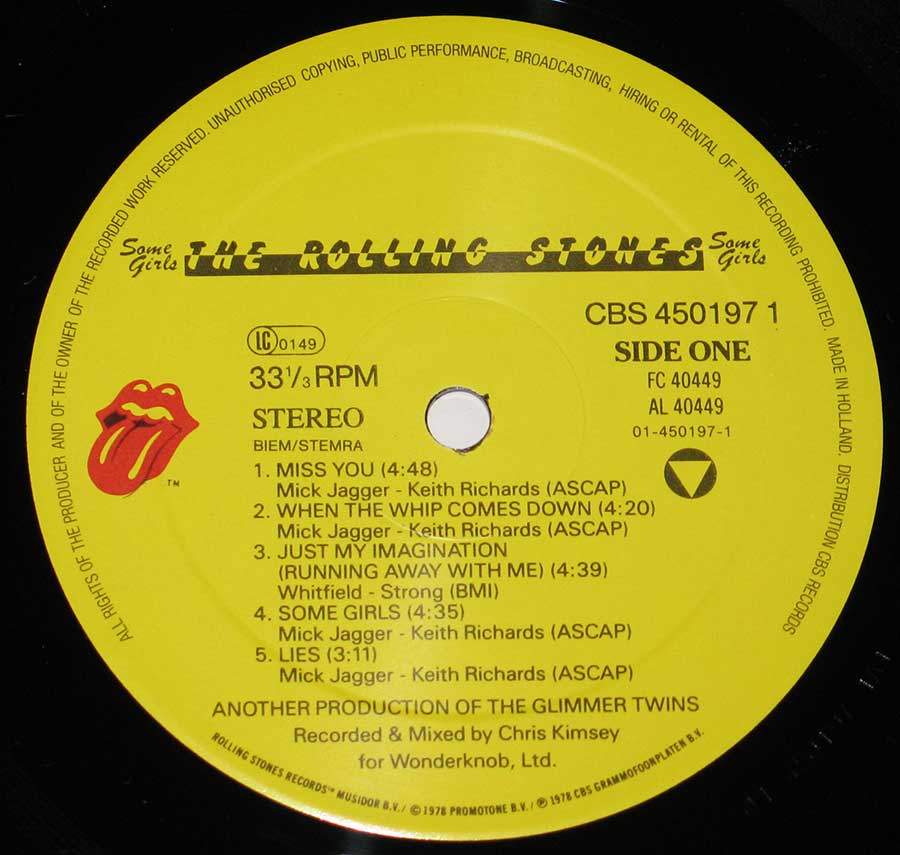
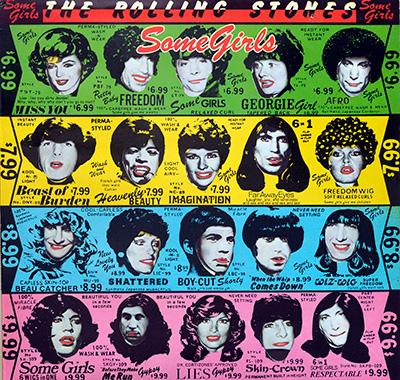
In the vast landscape of rock and roll, few songs have stirred as much controversy and fascination as "Some Girls," the title track from the Rolling Stones' 1978 album. A raw, unapologetic exploration of race, sexuality, and social dynamics, the song remains a lightning rod for debate even today.
At its core, "Some Girls" is a series of observations about women, delivered with Jagger's trademark swagger and a healthy dose of irony. The lyrics paint a picture of a world where women are both objects of desire and agents of their own destiny, where beauty and power are intertwined in complex ways.
But beneath the surface, "Some Girls" is more than just a collection of provocative one-liners. It's a reflection of the social and cultural landscape of the late 1970s, a time when traditional gender roles were being challenged and new ideas about race and sexuality were emerging.
The song's most controversial lyrics deal with race, with Jagger making generalizations about black and Asian women.
Specifically, he sings:
"Black girls just want to get fucked all night"
"Asian girls are so sweet"
These lines have been widely criticized for perpetuating harmful racial stereotypes. The first line reduces Black women to a hypersexualized caricature, a stereotype with deep roots in racist depictions throughout history. The second line, while seemingly less aggressive, still objectifies Asian women by playing into the stereotype of them being submissive and overly feminine.
The intent behind these lyrics has been debated. Some argue that Jagger was using satire to critique and expose the absurdity of these stereotypes. Others see it as an example of thoughtless, offensive provocation that lacks the nuance necessary for effective satire.
Regardless of the interpretation, these lines have sparked significant controversy and discussion, making "Some Girls" a song that continues to provoke strong reactions and debate about its place in rock history.
These lines have been criticized as racist and offensive, and they remain a source of discomfort for many listeners. However, some argue that the lyrics are meant to be satirical, highlighting the absurdity of racial stereotypes and prejudices.
Other lines in the song touch on themes of class and power, with Jagger commenting on the aspirations and struggles of women from different backgrounds. There's a sense of both admiration and cynicism in his words, a recognition that women are often forced to navigate a world that is both alluring and unforgiving.
Musically, "Some Girls" is a stripped-down rock and roll anthem, driven by Keith Richards' jagged guitar riffs and Charlie Watts' steady drumming. Jagger's vocals are at once playful and menacing, capturing the song's complex blend of humor and social commentary.
"Some Girls" remains a polarizing song, one that continues to spark debate about its meaning and intent. Whether you see it as a witty satire or a tasteless exercise in provocation, there's no denying its power to shock and provoke. It's a song that forces us to confront uncomfortable truths about race, gender, and power, and it reminds us that even the most beloved rock stars are capable of pushing boundaries and challenging our assumptions.
In the end, "Some Girls" is a landmark in the history of rock and roll, a song that refuses to be ignored. It continues to challenge and provoke us, even decades after its release, a reminder of the enduring power of music to reflect and shape our cultural conversations.