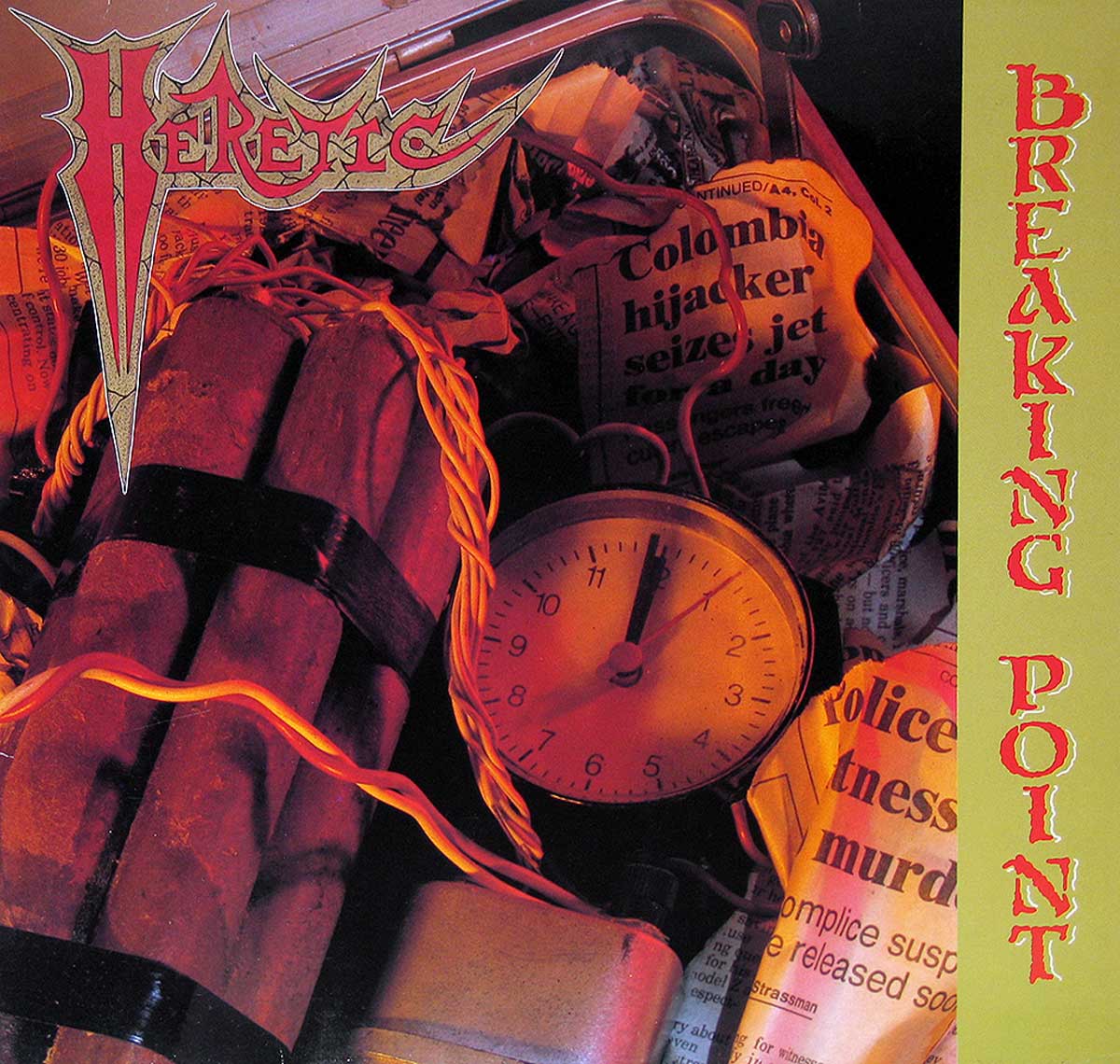
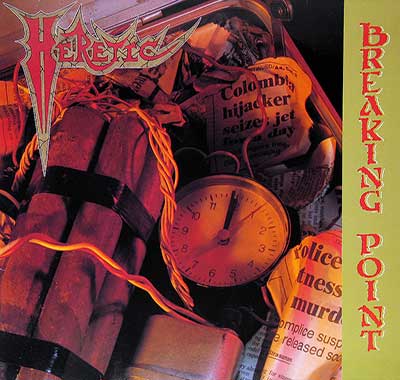
"Breaking Point" (1988) Album Description:
Introduction
Breaking Point is the sound of a band pushing hard against the limits of time, patience, and the late-’80s metal economy. Released in 1988, it captures Heretic at their sharpest and most volatile moment, right before everything fractured. This record doesn’t sound like a beginning or a victory lap — it sounds like urgency pressed into vinyl.
Historical and Cultural Context
By 1988, American metal was splitting at the seams. Thrash was getting faster and angrier, power metal was reaching for bigger choruses, and labels were quietly deciding who might survive the coming shift. In that pressure cooker, Breaking Point landed right between scenes, too aggressive to soften up, too melodic to disappear into the pit.
How the Band Came to Record This Album
Heretic entered this album carrying momentum but also tension. Touring had hardened the band, expectations were rising, and the lineup felt like it was standing at a crossroads rather than a launchpad. Recording Breaking Point feels less like planning the future and more like documenting who they were before the door slammed shut.
The Sound, Songs, and Musical Direction
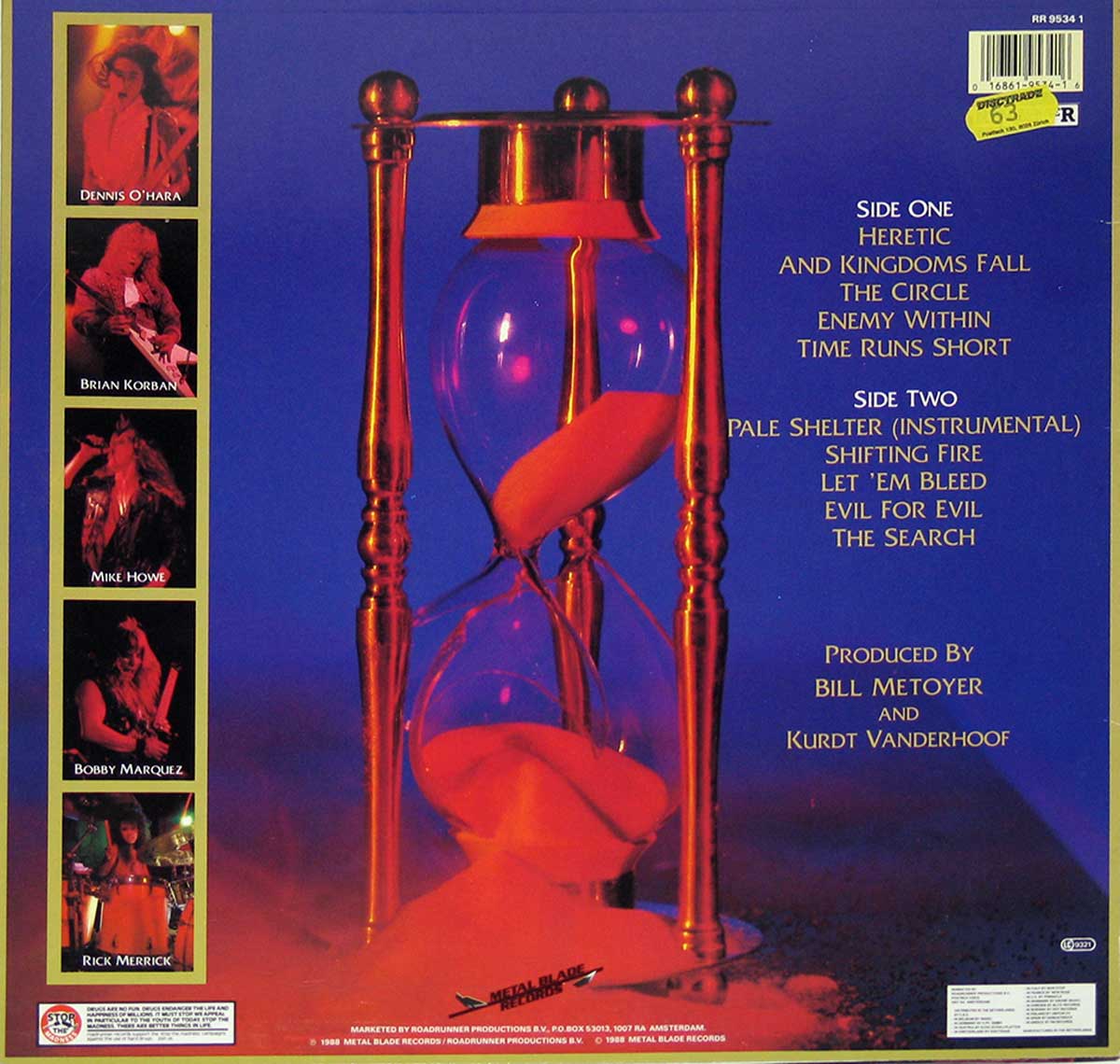
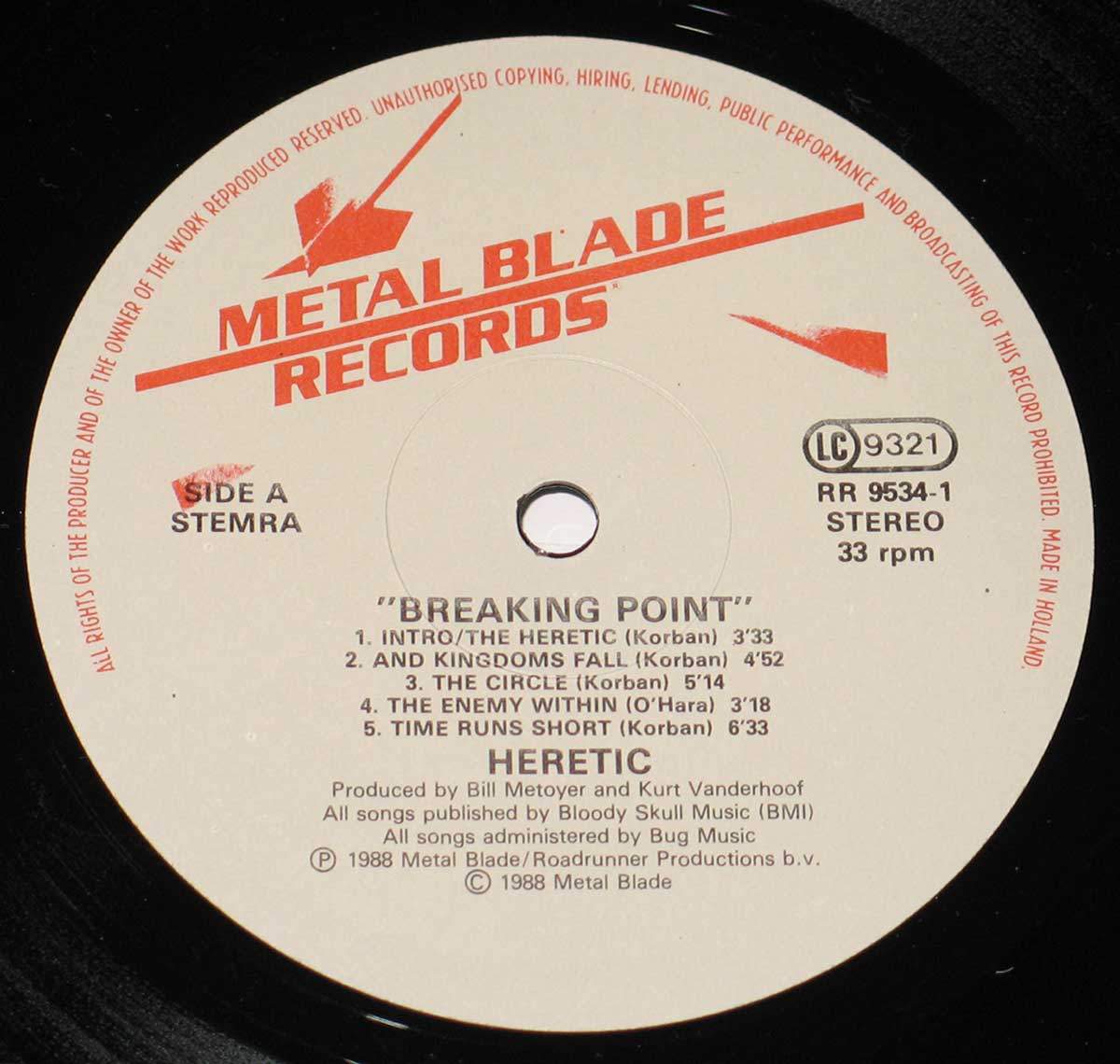
The album balances razor-tight thrash riffs with soaring, almost heroic vocal lines. Songs like “And Kingdoms Fall” and “The Circle” ride that line perfectly, mixing speed with structure instead of chaos for its own sake. The guitars bite, the rhythms push forward relentlessly, and the record never overstays its welcome.
Comparison to Other Albums of the Era
In the same year that bands were either chasing pure speed or radio-ready polish, Breaking Point sits closer to records like early Metal Church or mid-period Flotsam and Jetsam. It shares their discipline and aggression, but carries a darker, more anxious tone that feels distinctly late-’80s and distinctly unsustainable.
Band Dynamics and Creative Tensions
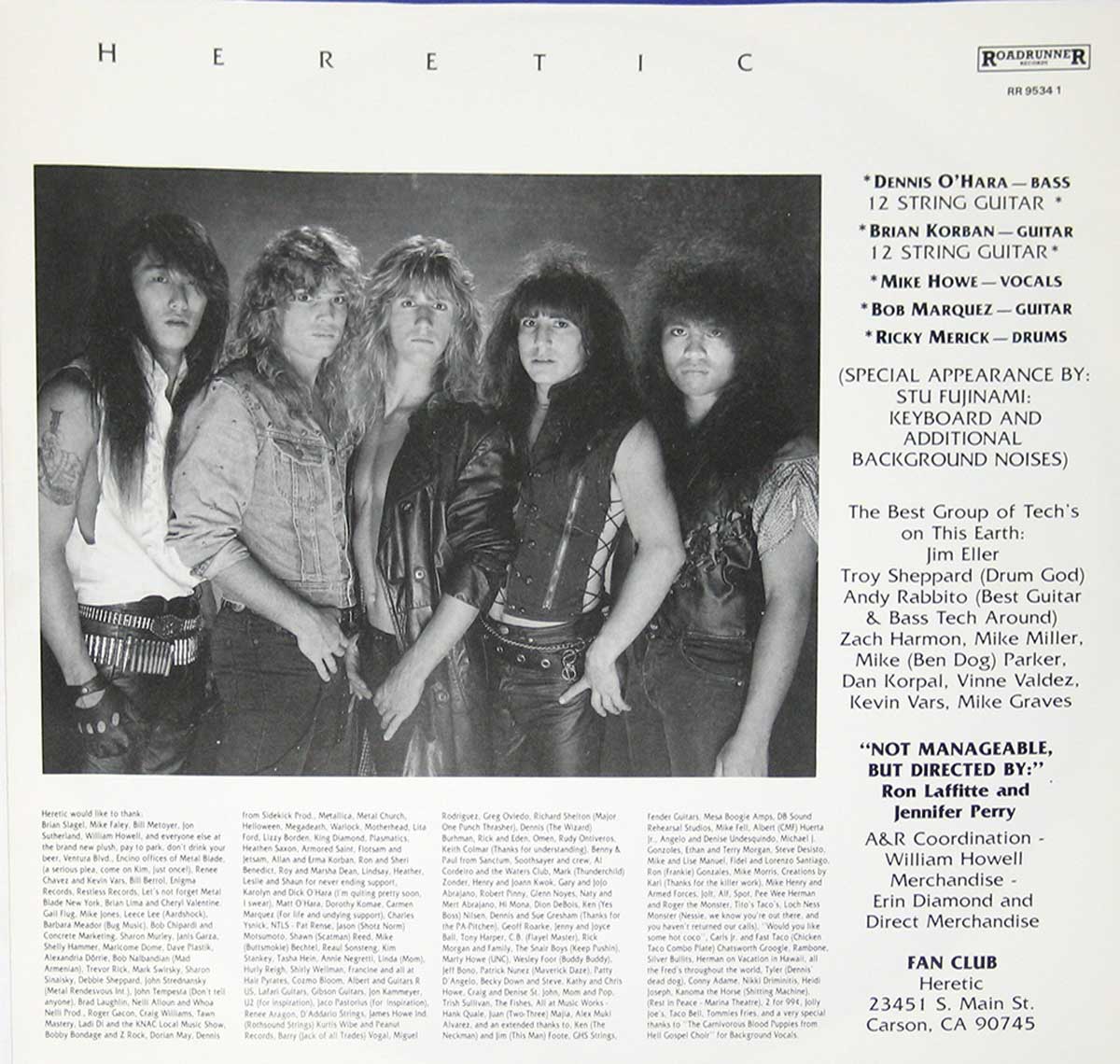
You can hear a band pulling in slightly different directions without losing control. The playing is focused, but there’s a sense of restlessness underneath, like everyone knows something is about to change. Mike Howe’s vocals in particular feel like a statement rather than a performance, confident, commanding, and already looking beyond the band.
Critical Reception and Legacy
At release, Breaking Point earned respect but not rescue. It didn’t explode commercially, yet it never vanished either, lingering in collections and tape trades as a “what-if” album. Over time, its reputation has grown quietly, especially knowing it was the final chapter before Howe’s move to Metal Church.
Reflective Closing
Decades later, Breaking Point still feels honest in a way many polished records don’t. It sounds like sweat, deadlines, and belief colliding under studio lights. Drop the needle today and the riffs still smell faintly of beer, ambition, and that specific 1988 moment when metal hadn’t decided what it wanted to become yet.