DEEP PURPLE - In Live Concert At The Royal Albert Hall with The Royal Philharmonic Orchestra conducted by Malcolm Arnold 12" Vinyl LP Album
- The Night Hard Rock Crashed Into the Concert Hall
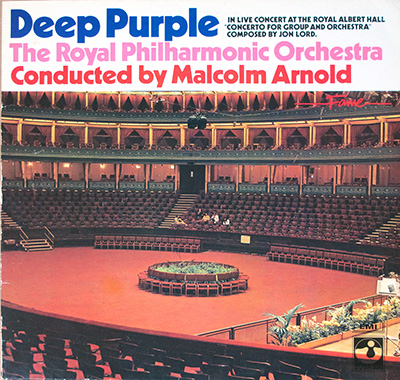
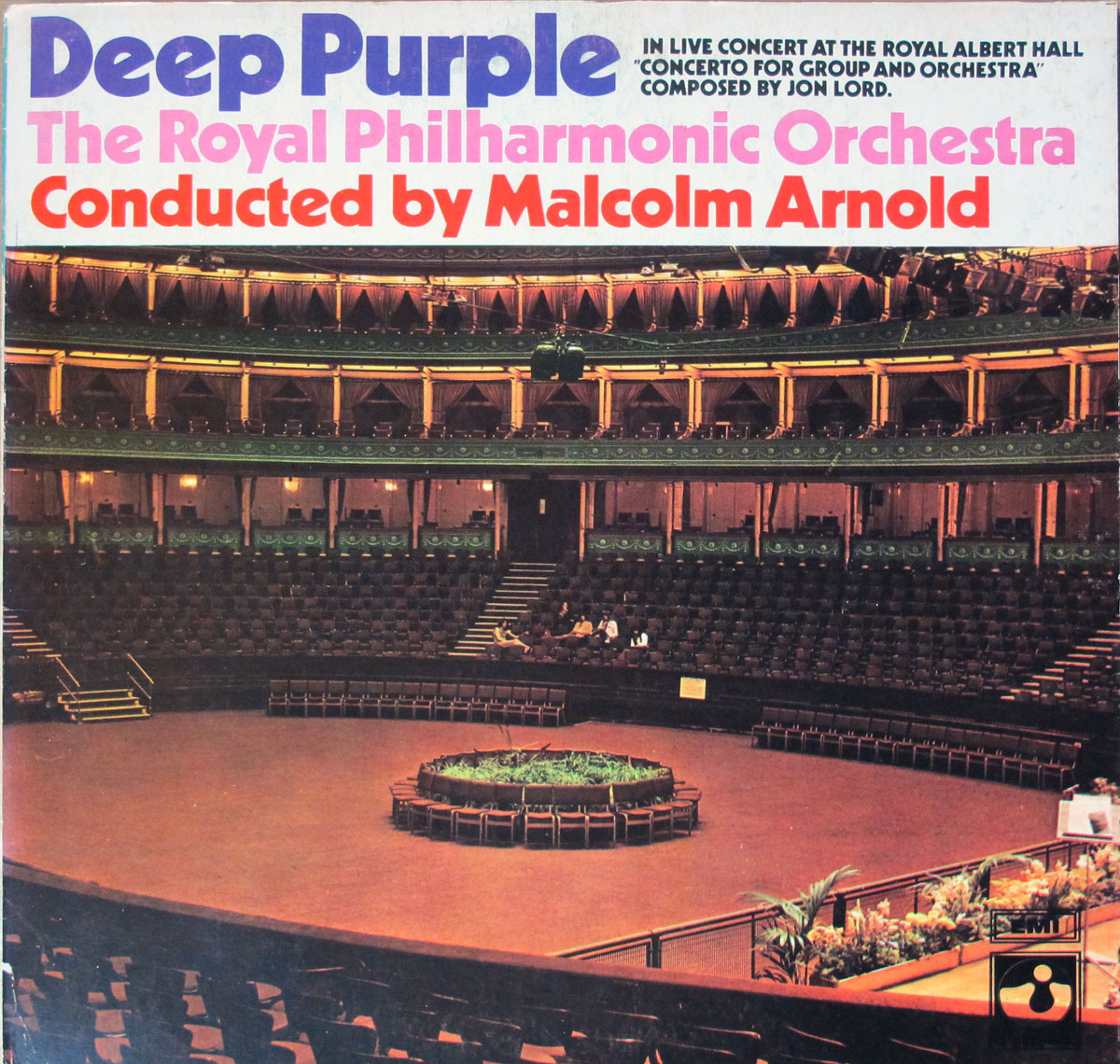
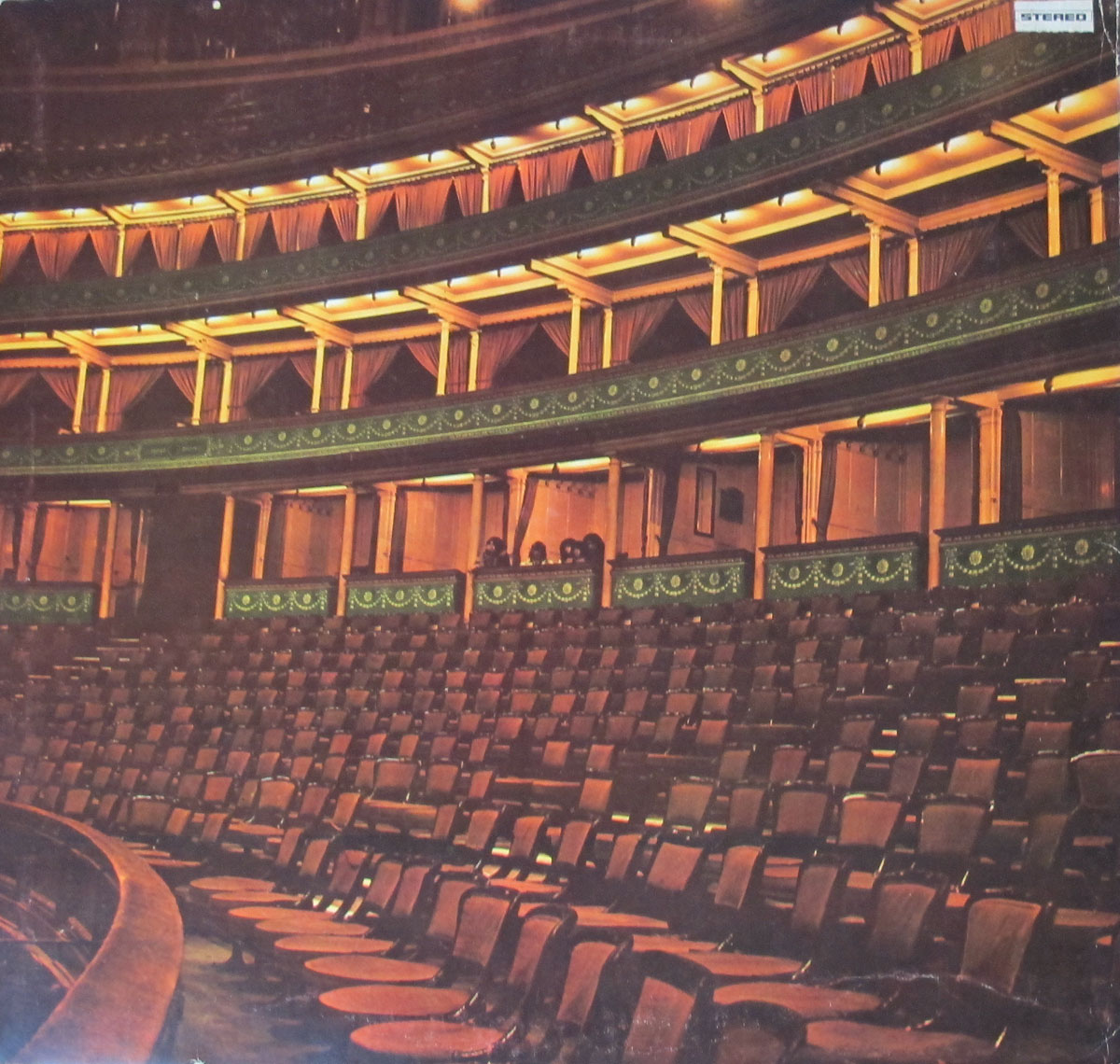
A sweeping interior shot of London’s Royal Albert Hall dominates the sleeve: tier upon tier of curved balconies glowing in warm amber light, deep red curtains tucked between arches, and rows of dark, empty seats wrapping around a vast circular floor. In the center sits a low round platform edged with chairs and greenery, as if the stage is quietly waiting for impact. Across the top, bold purple and red lettering announces Deep Purple and the Royal Philharmonic Orchestra, with the EMI logo planted firmly in the lower right corner.
This is not a polite crossover experiment. It is Jon Lord walking into the Royal Albert Hall with a score under his arm and a Hammond organ humming behind him. You can hear the tension from the first movement — orchestra tuned tight, band plugged in, nobody quite sure who will blink first. Gillan does not sing gently; he attacks the hall. Blackmore’s guitar cuts through the strings like a flare in velvet air. Paice keeps it all from collapsing, steady but never tame.
What you get is not “fusion” in the smooth jazz sense. It is friction. Woodwinds brushing against distortion. Tympani answering a snare crack. The Royal Philharmonic does not decorate Deep Purple; it wrestles them. And that tension — that slight risk of derailment — is exactly what makes this 1969 performance feel alive rather than ceremonial.
Deep Purple's Italian Job: A Concerto of Chaos and Classical Collisions
Album Description:
This Italian pressing doesn’t start with a riff so much as a dare. Needle down, and I’m suddenly back in the Royal Albert Hall on 24 September 1969: Deep Purple (brand-new Mark II attitude) bolted to the Royal Philharmonic Orchestra, with Malcolm Arnold conducting like he’s trying to keep a zoo polite. It’s “Concerto for Group and Orchestra” dressed up as “live concert” drama — and it still feels like the room is holding its breath.
Jon Lord didn’t “blend genres.” He shoved them together and listened for sparks. One minute you’ve got strings trying to behave, the next you’ve got Ritchie Blackmore slicing through the air like he’s offended by the dress code. Ian Gillan has to sing lines he helped write while surrounded by people who probably call a drum kit “percussion.” It’s gloriously awkward. And that awkwardness is the point.
The Concerto Is Three Movements… Even When the Vinyl Pretends Otherwise
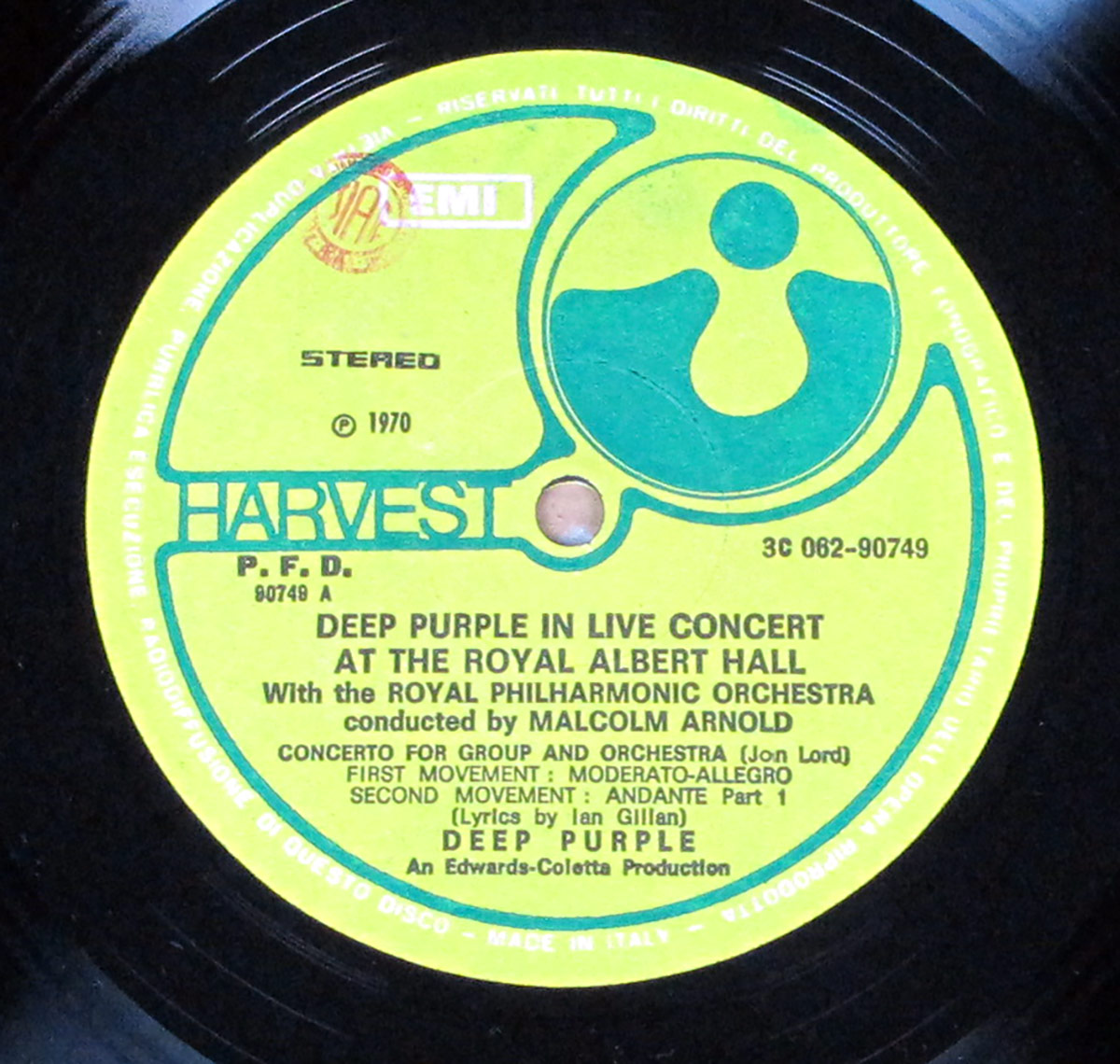
On the original vinyl, the second movement gets split across the sides, so track lists can look like “four parts” if you don’t squint properly. Don’t panic — it’s still Lord’s three-movement beast, just sliced up by the practical physics of a turntable. Side One sets the scene (and the tension). Side Two finishes the job and leaves scorch marks.
Yes, They Played Rock Songs That Night — No, This LP Isn’t That Set
The full evening had extra muscle — “Hush,” “Wring That Neck,” even “Child in Time.” But the original album release is the concerto itself, not a handy “best bits of the concert” souvenir. That came later, when reissues decided we all needed the whole programme in one sitting. Personally? I like the stubborn focus of the original idea. It doesn’t beg for applause. It just keeps going.
Studio Credits, Not Fairy Dust
This Italian issue is credited as produced by the band, with Tony Edwards and John Coletta listed as executive producers, and recording credited to Dave Siddle and Martin Birch using the De Lane Lea mobile unit. In other words: not a fantasy crossover project. A real recording job, done fast, under pressure, with a lot of expensive people in the room.
I put this record on when the house is empty. Not because it’s “difficult” — because it’s weirdly intimate hearing a hard rock band try to behave in a concert hall, then fail on purpose. If you want tidy borders between “classical” and “rock,” buy a ruler. This thing was made to snap them.
Matrix / StampeR CODES
90749-A-12-12-69 I
90749-B-12-12-69 T
Music Genre:
British Classic Rock
Album Production Information:
The album: "DEEP PURPLE Live at the Royal Albert Hall with The Royal Philharmonic Orchestra conducted by Malcolm Arnold (Italy)" was produced by: Deep Purple
Tony Edwards - Executive Producer
John Coletta (1932-2008) - Executive Producer
Sound/Recording Engineer(s): Dave Siddle & Martin Birch using "De Lane Lea" Recording Studios Mobile Unit
Martin Birch – Producer, Sound Engineer
I first noticed Martin Birch on those early Iron Maiden sleeves—the ones with the typography that felt like a threat. At twelve, I didn’t care about "production value"; I just liked that the guitars didn't sound like mud. He was the man behind the sound mixer, the one who made the snare snap like a dry branch in a cold forest. He was "The Headmaster," and we were all just students of his high-voltage curriculum.
Read more...
Birch didn’t just record noise; he organized aggression. By 1972, he was already wrangling the messy brilliance of Deep Purple’s Machine Head, turning Ian Gillan’s banshee wails into something that didn't just clip the tape but lived inside it. In 1980, he pulled off the ultimate renovation, giving Black Sabbath a much-needed shower and a new spine. Heaven and Hell shouldn't have worked, but Martin polished that Birmingham sludge into something operatic and gleaming. It was a pivot that felt like fate, mostly because he refused to let the mid-range get lazy.
Then came the long, obsessive stretch with Iron Maiden from 1981 to 1992. It was a twelve-year marriage to the fader. From the moment Killers (EMC 3357, for those who care) hit the shelves, the sound was physical. He knew how to let Steve Harris’s bass clatter like a machine gun without drowning out the melody—a sonic miracle that still feels fresh. You can almost smell the ozone and the dust on the Marshall stacks when the needle drops on The Number of the Beast. He stayed until Fear of the Dark, then simply walked away. No victory lap, no bloated memoir. He preferred the hum of the desk to the noise of the crowd, leaving us with nothing but the records and a slight sense of abandonment. But then, when you’ve already captured lightning on tape for twenty years, why bother hanging around for the rain?
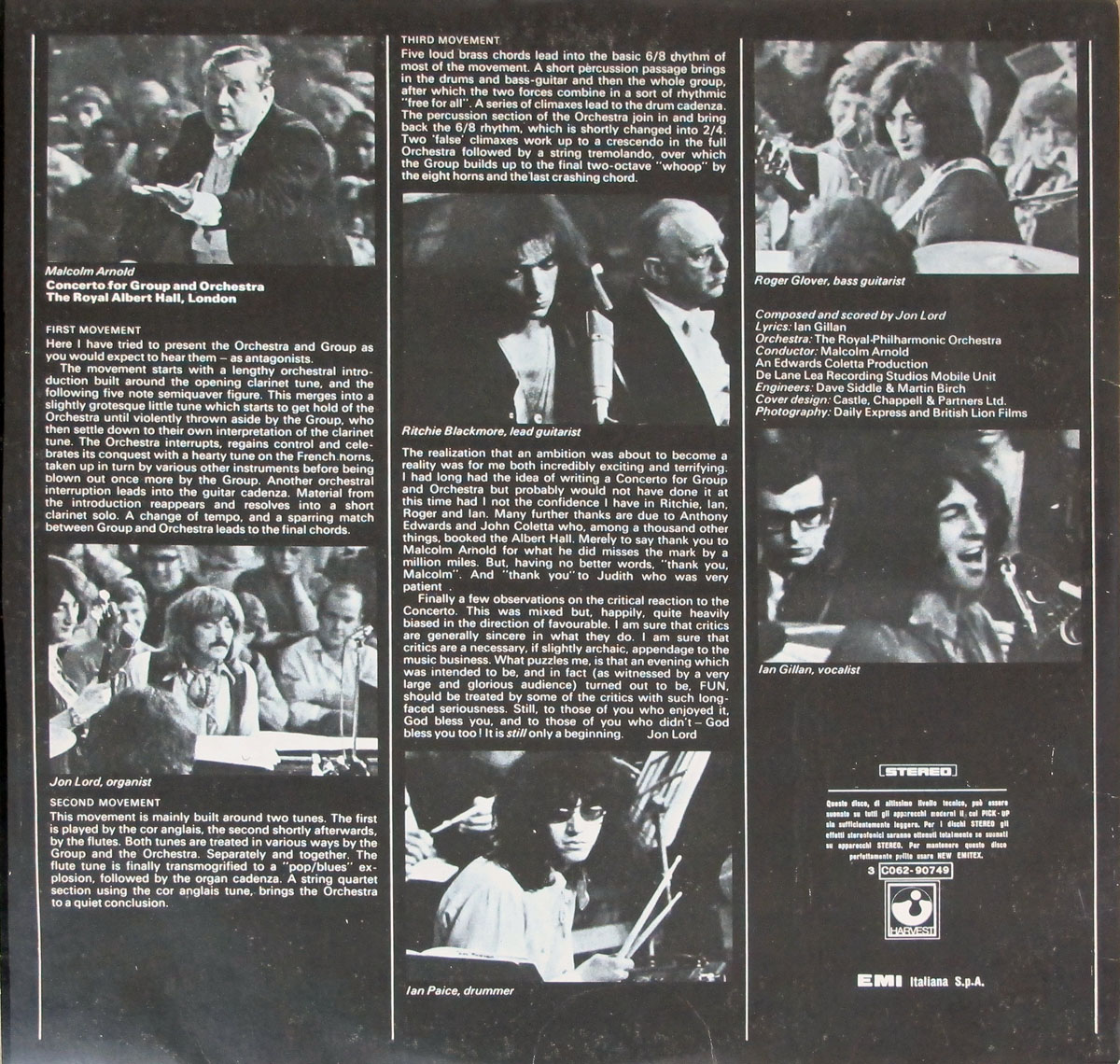
Gatefold/FOC (Fold Open Cover) Album Cover Design with photos on the inside cover pages with opening for record in the inside of the cover
Media Format:
12" Vinyl Stereo Gramophone Record
Total Album (Cover+Record) weight: 230 gram
Year & Country:
1970 Made in Italy
Personnel/Band Members and Musicians on: DEEP PURPLE Live at the Royal Albert Hall with The Royal Philharmonic Orchestra conducted by Malcolm Arnold (Italy)
Band-members, Musicians and Performers
Malcolm Arnold - Conductor
Malcolm Arnold (1921-2006) was a distinguished British composer and conductor, known for his vibrant orchestral works and film scores. A master of melody and orchestration, he collaborated with Deep Purple on the groundbreaking Concerto for Group and Orchestra in 1969, blending rock and classical music.
Ian Gillan - Lead Vocals
Ian Gillan – Vocals
Fun bit: the guy who hit those stratospheric notes also played Jesus (1970) before he went full purple thunder.
Read more...
Ian Gillan, the razor-throated storyteller who helped turn Deep Purple into a stadium engine (1969–1973), then came back for the 1984 reunion and later tours. Before the purple thunder I cut my teeth in Episode Six (1965–1969). In 1970 I also sang Jesus on the original "Jesus Christ Superstar" album—pure theatre, no cape. I went jazz-rock with the Ian Gillan Band (1975–1978), cranked it harder with Gillan (1978–1982), and even took a wild detour fronting Black Sabbath on "Born Again" (1983). Solo records and guest spots followed, but that operatic scream and sly phrasing always gave the game away, whether I was whispering a blues line or detonating a high note over a Marshall stack.
The human engine room of Deep Purple: swing, snap, and zero wasted motion.
Read more...
Ian Paice, the drummer who turned Deep Purple's thunder into clockwork groove, never flashy, always lethal. From Maze in the mid-60s he joined Deep Purple in 1968, anchoring every era: the Mark I-IV years (1968-1976) and the long-haul return (1984-present). After the split I followed him through Paice Ashton Lord (1976-1978), Whitesnake (1979-1982), and Gary Moore's early-80s line-ups and sessions (1982-1984). He's the only Purple member to play on every studio album, and you can tell why: his swing sits inside the backbeat, pushing the band forward without rushing. Listen for the tight hi-hat chatter, snare cracks like a starter pistol, and fills that sing without stepping on the riff.
On my best days, that Hammond roar still sounds like cathedral pipes hijacked by a Marshall stack—and Jon Lord is the reason.
Read more...
Jon Lord, British keyboardist, composer, and co-founder of Deep Purple, never played “background” the way polite musicians do—he attacked the keys like they owed him money, then turned around and wrote with the discipline of a trained composer. The story starts in the R&B trenches with The Artwoods (1964–1967), then detonates when he helps launch Deep Purple (1968–1976; 1984–2002), where that distorted Hammond became a lead instrument with teeth. After Purple’s first collapse, the road briefly rerouted through Paice Ashton Lord (1976–1978), and then straight into David Coverdale’s orbit with Whitesnake (1978–1984), adding class, weight, and that unmistakable “burning organ” halo to bluesy hard rock. Underneath all the volume, the man kept one foot in the concert hall—because some people can shred and still hear the orchestra in their heads.
The guy who made the guitar sound both medieval and radioactive, often in the same solo.
Read more...
Ritchie Blackmore is the sort of name I see on a sleeve and instantly expect sparks: born Richard Hugh Blackmore (1945), he’s an English guitarist who helped hard-rock riffing grow teeth and then politely refused to stop. His era-stamps are basically whole chapters of rock history: Deep Purple (1968–1975, 1984–1993), where the riffs got louder, sharper, and more dramatic; Rainbow (1975–1984, 1993–1997), where he leaned into melody and fantasy like it was a weapon; and Blackmore’s Night (1997–present), where the electric storm calms down into Renaissance-folk textures without losing that unmistakable Blackmore touch. I love that arc: from amp-stacks and arena thunder to lutes-and-candles vibes, like he just swapped dragons for different dragons.
"Blackmore Signature Strats"
I’ve spent too many nights chasing that Blackmore chime. Fender’s Artist Series Strat is a love letter to his ‘70s obsession—Olympic White with a graduated scalloped rosewood board that makes your fingers feel like they’re floating. The electronics are pure Ritchie logic: two Seymour Duncan Quarter Pounds for the bite and a dummy middle pickup. It’s a prop, a plastic decoy for us mortals. Then there’s the Fender Japan ST72-145RB. MIJ builds have a surgical precision, keeping the ‘72 vibe alive for the obsessive collector. We hunt these like lost relics, justifying the cost because a standard neck feels one-dimensional by comparison. It’s a specialized tool for a very specific kind of madness. But then, isn't that the whole point?
If the groove feels like a tank with manners, his name is usually somewhere nearby.
Read more...
Roger Glover is one of those credit lines I trust on sight: a Welsh bassist, producer, and songwriter who helped define the heavyweight “engine room” of classic hard rock. I mainly tag him to two eras that just refuse to die: Deep Purple (1969–1973, 1984–present), where his bass and writing instincts locked in with that Mark II bite, and Rainbow (1979–1984), where he wasn’t just playing low-end—he was also steering the sound as lyricist and producer. He came up through Episode Six, then spent the 1970s stacking production work and side projects like it was a second career (because, yeah, it basically was), but those Purple and Rainbow years are the real “mythology in the liner notes” stuff.
Complete Track-listing of the album "DEEP PURPLE Live at the Royal Albert Hall with The Royal Philharmonic Orchestra conducted by Malcolm Arnold (Italy)"
The detailed tracklist of this record "DEEP PURPLE Live at the Royal Albert Hall with The Royal Philharmonic Orchestra conducted by Malcolm Arnold (Italy)" is:
Side One:
First Movement
Second Movement
Side Two:
Third Movement
Fourth Movement
High Quality Photo of Album Front Cover "DEEP PURPLE Live at the Royal Albert Hall with The Royal Philharmonic Orchestra conducted by Malcolm Arnold (Italy)"
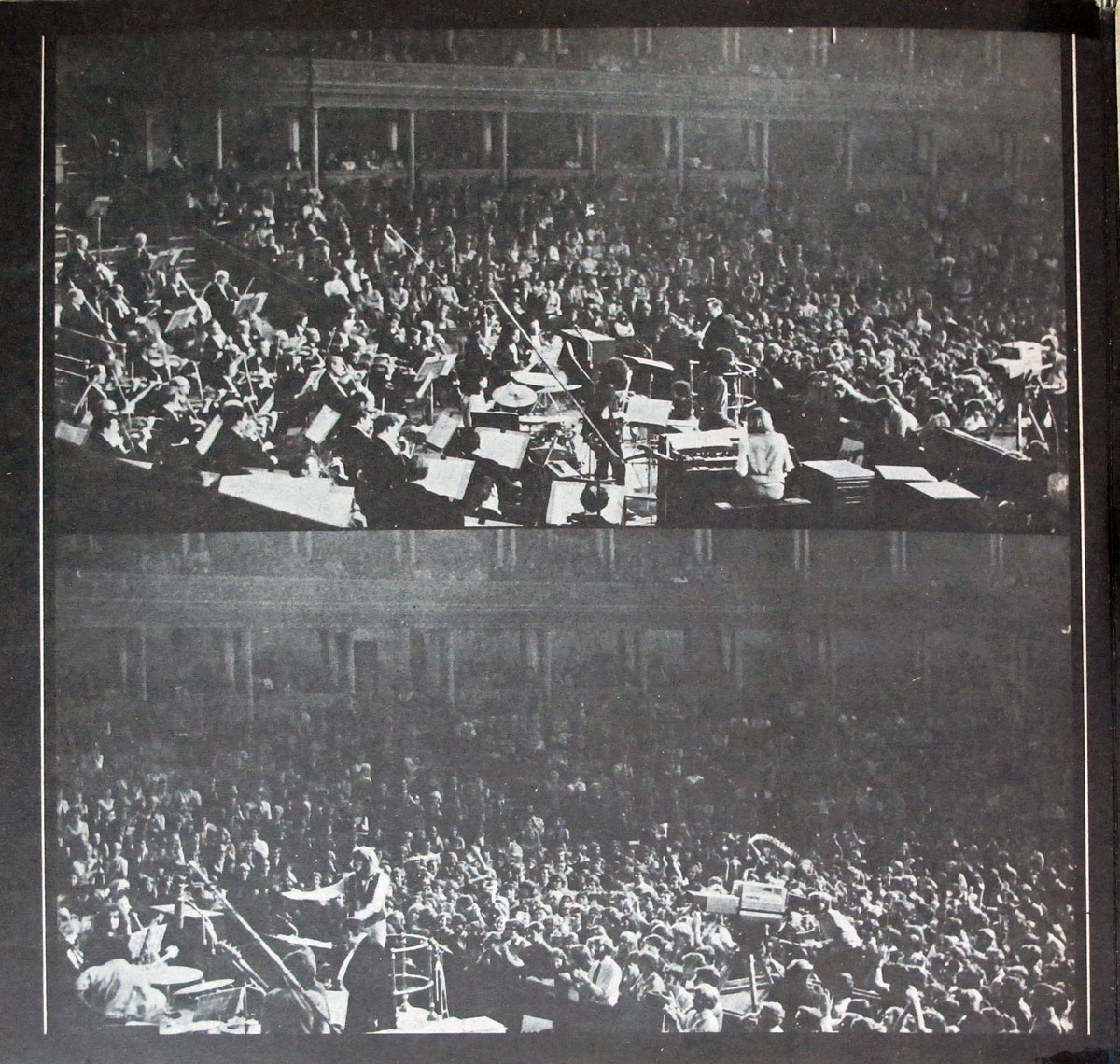
Photo of "DEEP PURPLE Live at the Royal Albert Hall with The Royal Philharmonic Orchestra conducted by Malcolm Arnold (Italy)" Album's Inner Sleeve
Note: The images on this page are photos of the actual album. Slight differences in color may exist due to the use of the camera's flash. Images can be zoomed in/out ( eg pinch with your fingers on a tablet or smartphone ).
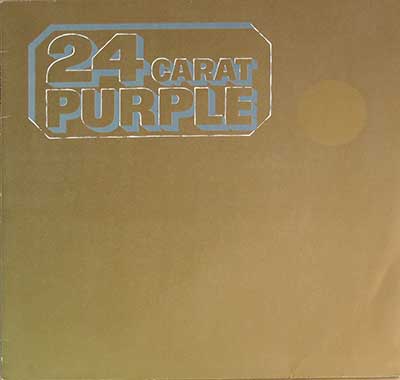
Released on Deep Purple's own record label, '24 Carat' marked Deep Purple's debut compilation album, representing a pivotal period in their hard rock journey. This 12" LP encapsulates the band's evolution, featuring iconic tracks that defined their sound.
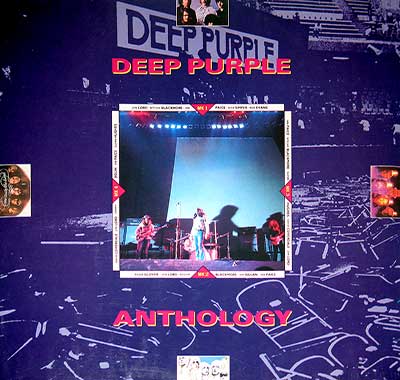
Deep Purple's 'Anthology' is a musical treasure trove spanning 150 minutes, carefully curated across three LPs. This vinyl masterpiece not only delivers the band's iconic sound but also includes the original 4-page 12" booklet, offering fans a nostalgic journey through the band's history.
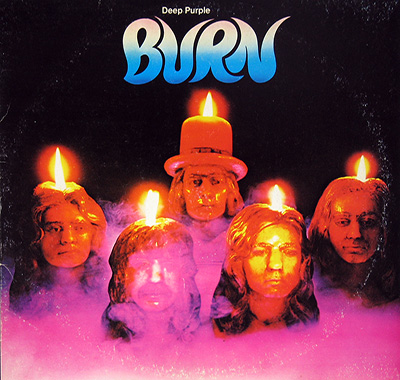
Deep Purple's 'Burn' marked a pivotal transition with new members David Coverdale and Glenn Hughes, forming the 'Mark III' lineup. This Italian release of the album is distinguishable by the S.I.A.E 'Rights Society' imprint at 9 o'clock on the record label.
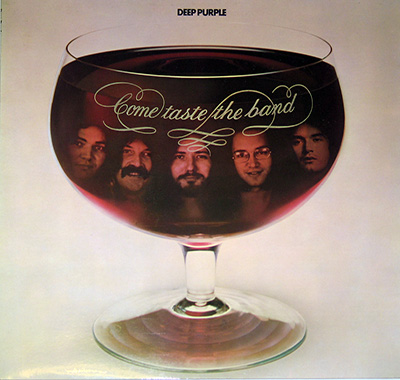
DEEP PURPLE - Come Taste the Band (European Releases)
Deep Purple's "Come Taste the Band" is a pivotal album in their discography, marking a shift with Tommy Bolin on guitar. The 1975 European LP releases captured this new era, featuring iconic tracks like "Gettin' Tighter" and "Comin' Home".
DEEP PURPLE - Deepest Purple (Gt Britain & French Release)
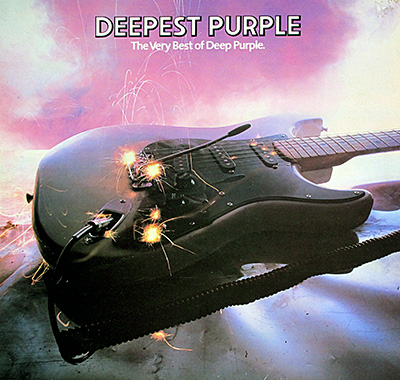
"Deepest Purple: The Very Best of Deep Purple" is the compilation album by the British hard rock band Deep Purple, released in 1980. It features the original hits of Deep Purple before their 1984 reunion.
DEEP PURPLE - Self-titled aka DEEP PURPLE III (European Releases)
Deep Purple's 'Deep Purple III' (1976, Netherlands) marks a pivotal moment in the band's history. Originally released in 1969 on Harvest Records in the UK, it stands as the third studio album and the final one with the original lineup.
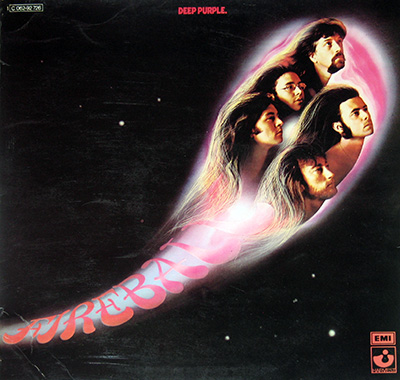
Deep Purple's 'Fireball' album, in its original European release, boasts a unique addition - 'Demon's Eye' replacing 'Strange Kind of Woman.' This gatefold 12" vinyl LP provides an authentic experience
DEEP PURPLE - The House Of Blue Light (German & Hungarian Releases
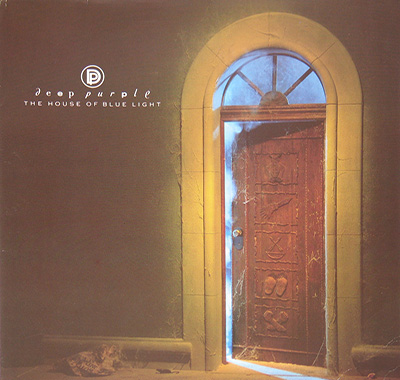
Deep Purple's 'The House of Blue Light' in its German 12" vinyl LP release represents a significant chapter in the band's history. This album captures the reunion of the re-formed Mark II lineup and showcases meticulous production and sound engineering, resulting in an auditory masterpiece.
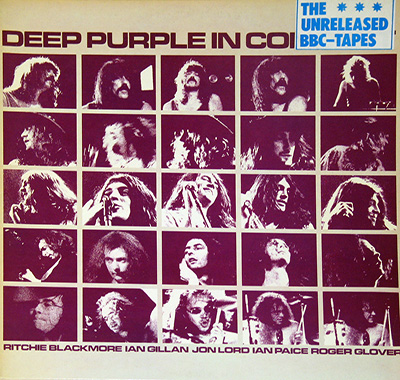
DEEP PURPLE In Concert Unreleased BBC-Tapes (Holland)
Harvest 1A 138-64158 , 1980 , Holland
Deep Purple's 'In Concert Unreleased BBC Tapes,' in a gatefold cover 12" vinyl LP album, offers a captivating glimpse into the band's live prowess. Recorded in 1970 and 1972 for the BBC's 'In Concert' series, these unreleased performances are a treasure trove for fans.
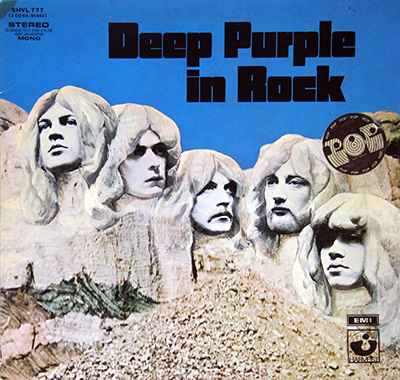
Deep Purple's "In Rock" (1970), a landmark in hard rock, shook the European music scene with its raw energy. Original European LP pressings are sought after by collectors for their powerful sound and iconic gatefold cover. Tracks like "Speed King" and "Child in Time" showcase the Mark II lineup's prowess
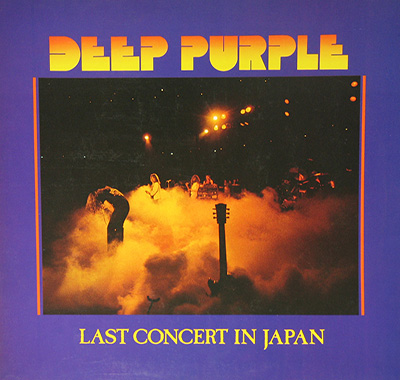
Deep Purple - Last Concert in Japan (German Release)
Purple Records 1C 064-60 900 , 1977 , Germany
This album by DEEP PURPLE released in March 1977. It records the last Japanese concert of the Mark IV-lineup with Tommy Bolin. This album was recorded on December 15, 1975 at the Tokyo Budokan,
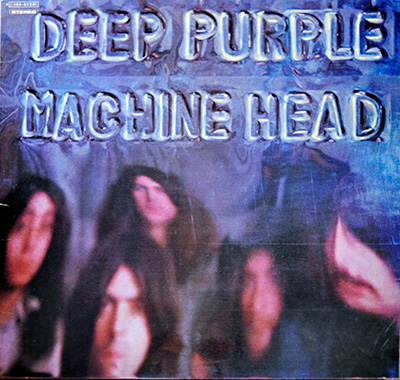
"Machine Head" is the sixth studio album released by English rock band "Deep Purple". It was recorded through December 1971 in Montreux, Switzerland, and released in March 1972. "Machine Head" is often cited as influential in the development of the heavy metal music genre.
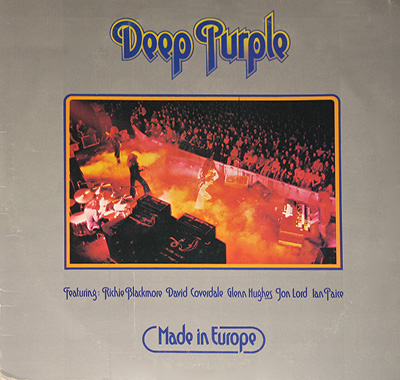
The USA release of "Deep Purple - Made in Europe" on a 12" vinyl LP album is a live recording capturing the band's performances in Austria, Germany, and France during April 1975. Engineered by Mick McKenna, Tapani, and Martin Birch, and mixed by Ian Paice and Martin Birch,
DEEP PURPLE - Made in Japan (International Releases)
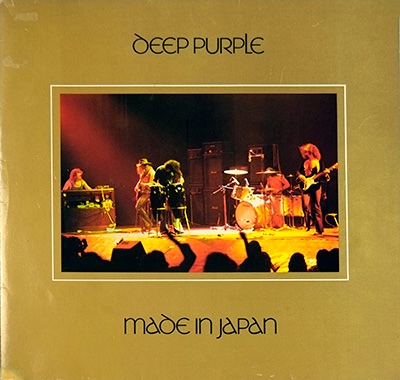
"Deep Purple - Made in Japan Live 2LP" is a monumental double live album by the English rock band. Recorded during their inaugural tour of Japan in August 1972, this album captures the raw energy and musical brilliance of Deep Purple's live performances. Originally released in December 1972
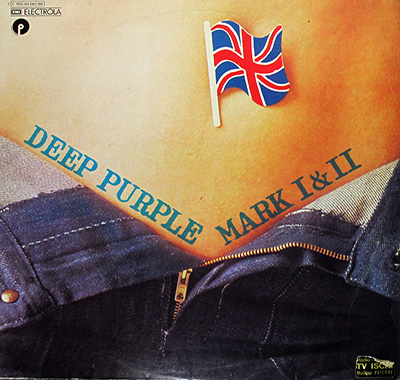
"Deep Purple - Mark I and II" is a 2LP gatefold 12" vinyl album that offers a comprehensive journey through the band's evolution. The gatefold cover features captivating artwork and photos within its pages. Liner notes by Jens Larsen provide insights in both English and German
DEEP PURPLE - The Mark 2 Purple Singles (Netherlands) 12" Vinyl LP
Purple Records – 1A 062-61695, Purple Records – 5C 062-61695 , 1979 , Holland
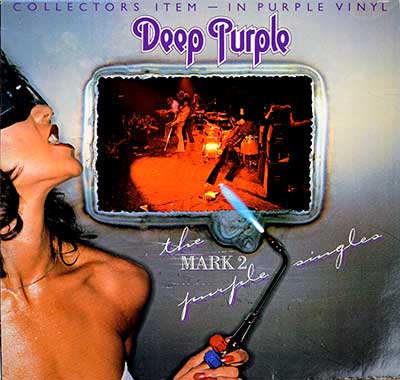
The Mark 2 Purple Singles" record is a compilation album of tracks previously released as 7" singles of the "Mark II" period of the British Rock band "Deep Purple". Their Mark 2 period was from July 1969 until June 1973.
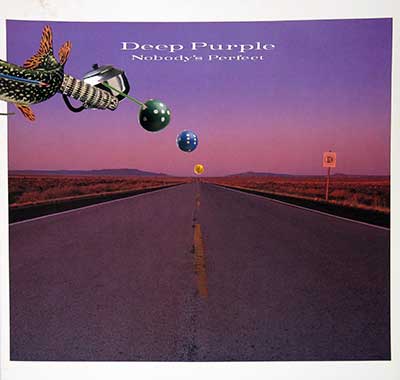
"Nobody's Perfect" is a live double LP album by the British rock band Deep Purple, released in 1988. This album captures the band's electrifying live performances and showcases their enduring musical prowess. Featuring classic tracks, it stands as a testament to Deep Purple's status as rock legends
"Perfect Strangers" is the eleventh studio album by DEEP PURPLE, released in November 1984. It represents the first album recorded by the reformed (and most successful and popular) 'Mark II' line-up.
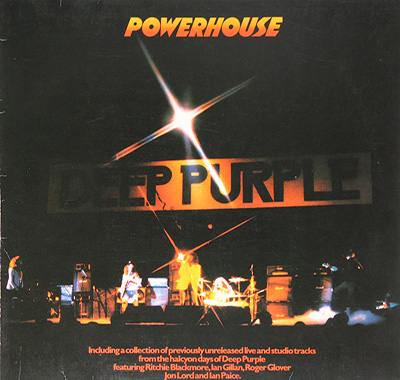
"Powerhouse" (1977, Germany) is a compilation album by Deep Purple, featuring a collection of previously unreleased live and studio tracks from the band's prime era. This album offers a nostalgic journey back to the halcyon days of Deep Purple, capturing their electrifying performances and musical prowess.
The International releases of "Deep Purple - Live at the Royal Albert Hall" offers fans a spectacular musical experience. This album captures the band's live concert at the Royal Albert Hall, featuring the groundbreaking "Concerto for Group and Orchestra" composed by Jon Lord.
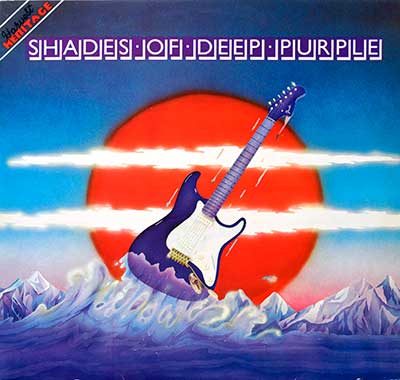
"Shades of Deep Purple" (1977, Netherlands) marks the debut full-length album from the British rock band Deep Purple. It encapsulates the prevailing psychedelic and progressive rock sound of late 1960s Britain. This album serves as a historical snapshot, showcasing the band's early musical exploratio
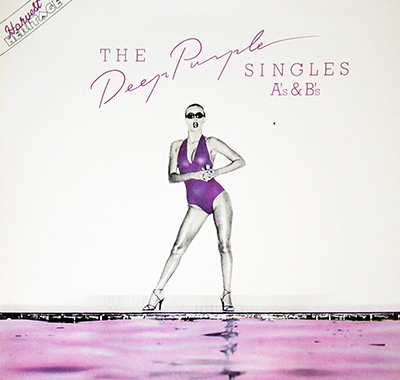
"Deep Purple - Singles A's & B's" on 12" vinyl LP is a compilation album that offers a treasure trove of rare A-sides and B-sides from Deep Purple's singles. This collection provides a unique opportunity for fans and collectors to explore the band's lesser-known tracks and discover hidden gems.
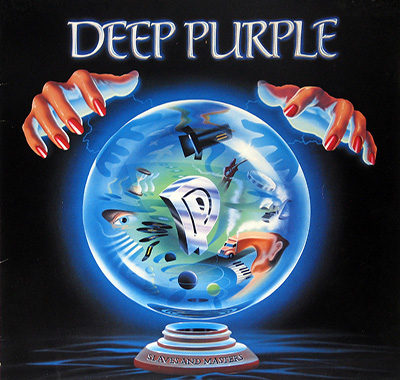
"Slaves and Masters" (1990, Germany) is a significant album in Deep Purple's discography. Released in 1990, it represents a unique chapter as the only album featuring singer Joe Lynn Turner, who replaced Ian Gillan in the previous year. This transitional period in the band's history brought a different vocal style
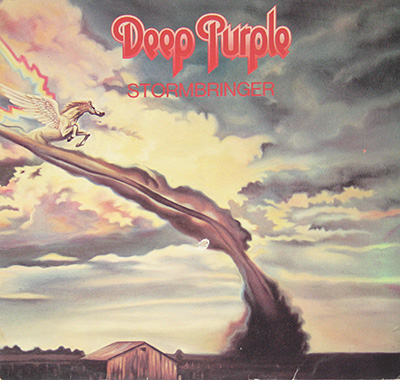
"Stormbringer" is the ninth studio album by DEEP PURPLE, released in December 1974. On this album, the soul and funk elements that were only hinted are much more prominent. Many fans consider Stormbringer to be a major turning point in the band, and the mark of an era's end.
DEEP PURPLE - Who Do We Think We Are (Gt Britain & French Release)
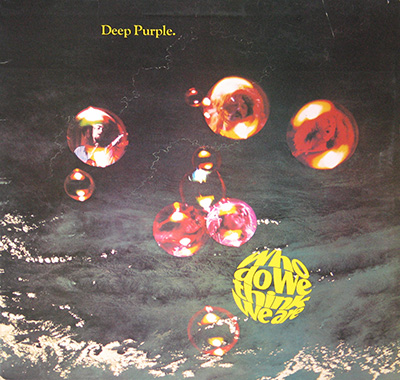
Who Do We Think We Are! is a hard rock album by DEEP PURPLE. Recorded in Rome July 72 and Frankfurt Oct 72 on Rolling Stones Mobile. It was their seventh studio album, and the last one with the classic Mk II lineup of the group until 1984.
Another influential British rock band, featuring Eric Clapton on guitar. Cream explored a wider range of styles than Led Zeppelin, but their blues-rock foundation and improvisational jams share some similarities.
Cream
Jimi Hendrix
A legendary guitarist known for his innovative playing style and use of effects pedals. While not strictly a band, Hendrix's influence on rock guitar is undeniable, and his music shares some elements of blues and psychedelia with Led Zeppelin.
Jimi Hendrix
Led Zeppelin
Pioneered hard rock and heavy metal, with influences from blues and psychedelia. Known for their powerful vocals, driving riffs, and complex instrumentals
Led Zeppelin
The Who
Pioneered power pop and mod rock, known for their energetic live performances and Pete Townshend's distinctive guitar work. The Who's music is often heavier and more aggressive than Led Zeppelin's, but both bands share a love for extended jams and powerful vocals.
The Who
.jpg)