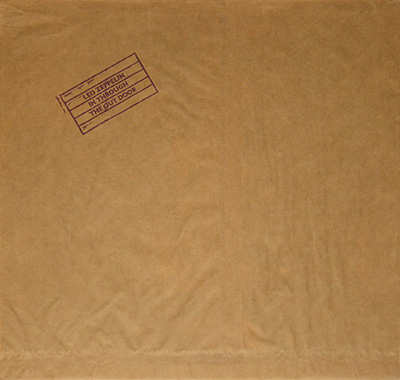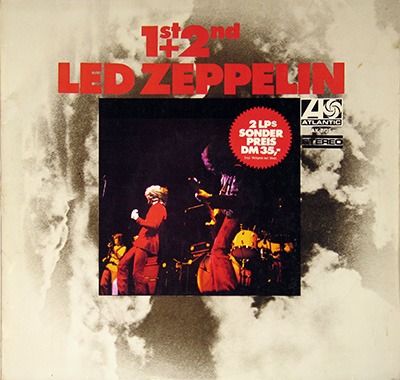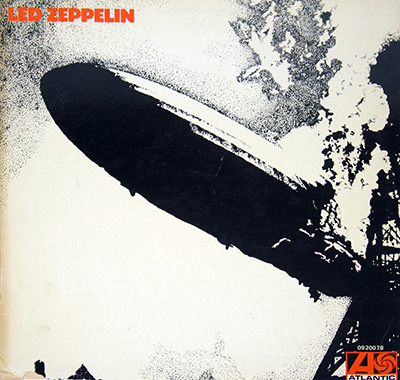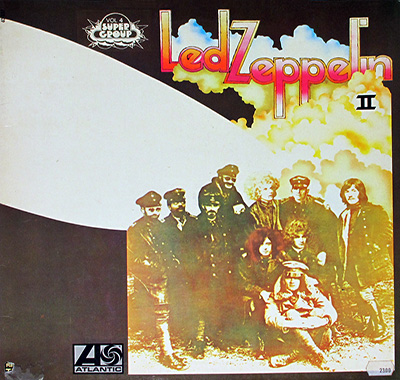
Led Zeppelin: an Introduction
Led Zeppelin isn’t just a band name to me. It’s that heavy, warm air you get when the needle drops and the room suddenly feels smaller, like the speakers have opinions. Loud ones.
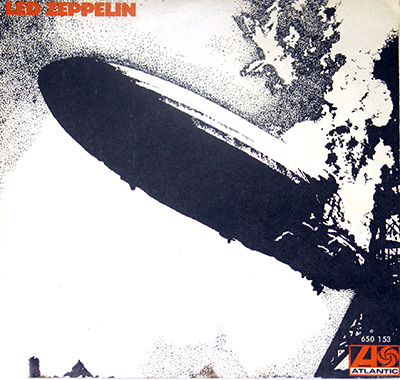
They came together in 1968, when Jimmy Page was done circling the wreckage of the Yardbirds and decided to build something that would actually bite back. He pulled in Robert Plant, John Bonham, and John Paul Jones and, yeah, it sounds neat in one sentence. It wasn’t neat. It was a controlled fire that kept finding fresh oxygen.
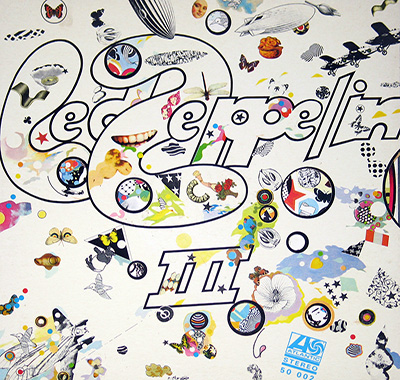
By the time the 1970s rolled in, they weren’t “rising” anymore. They were already there, taking up space. “Led Zeppelin III” hit in 1970 and it didn’t politely stick to one mood — it swerved, it wandered, it acted like the band had better things to do than obey genre borders.
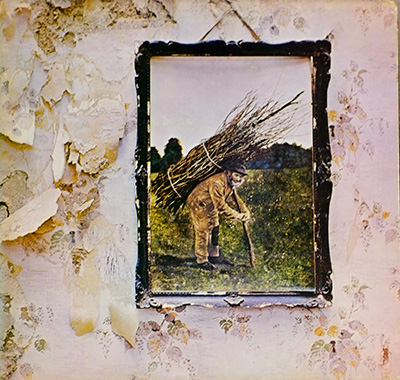
1971 is where the myth really hardened. The untitled fourth album — the one people call “Led Zeppelin IV” because humans hate uncertainty — landed in November 1971, and “Stairway to Heaven” crawled out of it like a slow spell. It wasn’t even released as a single, which is either artistic purity or stubbornness, depending on how cynical you feel that day. Still took over the world anyway.
Live, they didn’t “set standards.” They stretched songs until they snapped into something else. Page would stitch riffs together like he was trying to outrun the clock. Bonham didn’t keep time so much as he shoved it down the stairs. And Jones — quietly lethal — filled the gaps so the whole thing didn’t fly apart.
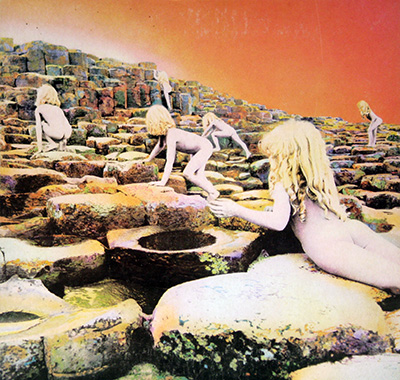
“Houses of the Holy” followed in 1973, and this is where I start getting picky. I like the band most when they’re bold, not when they’re trying to be tasteful. Lucky for them, tastefulness was never their natural habitat.
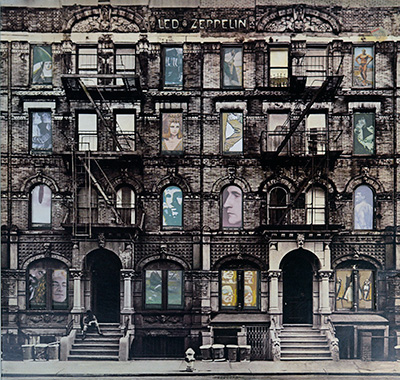
Then “Physical Graffiti” arrived in 1975: a double album that doesn’t walk into the room, it kicks the door and checks if the hinges are real. It’s huge. It’s messy in the best way. It’s the sound of a band confident enough to leave fingerprints everywhere and not apologize for the smudges.
Late ’70s Zeppelin is where the legend gets complicated. More weight, more wear, more gravity. You can feel the miles. You can also feel how hard it is to keep being the loudest thing on earth without it costing you something.
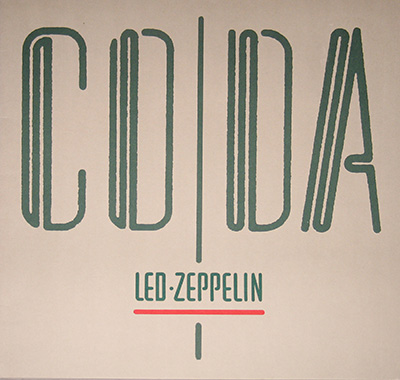
And then the moment that still lands like a dull punch: John Bonham died on 25 September 1980. The band didn’t limp on with a replacement. They stopped. In December 1980, they made it official and called it. That choice is part of why the story still feels heavy.
The funny part is the 1980s still ended up full of Zeppelin, even without Zeppelin. Whole waves of hard rock and metal borrowed the blueprint — the swing, the size, the “let it breathe for a second” drama — and some of them never figured out the difference between copying the moves and having the nerve. I can love the records and still roll my eyes at the cult around them. Both things can be true. Deal with it.
References
- Encyclopaedia Britannica: Led Zeppelin
- Wikipedia: Led Zeppelin (overview + timeline)
- Wikipedia: "Stairway to Heaven" (album release + single context)
- Wikipedia: "Houses of the Holy" (1973 release)
- Wikipedia: "Physical Graffiti" (1975 release)
- Vinyl Records Gallery: high-resolution album cover photos