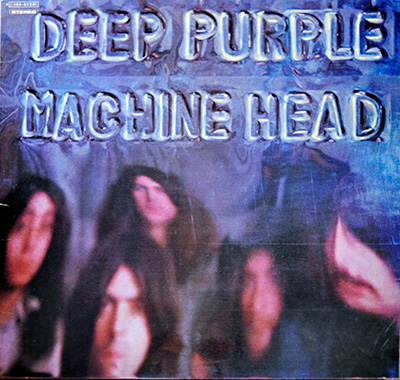
"Machine Head" Album Description:
Some albums arrive like a career move. "Machine Head" arrived like a hard shove. Deep Purple had already made plenty of noise before 1972, but this was the record where the noise tightened its jaw and started walking with purpose. Hard rock was getting heavier, meaner, less decorative, and this album sits right in that changeover point like it owns the place. Fair enough. It mostly does.
The circumstances helped, though not in the tidy myth-making way people like to repeat. The band went to Montreux to record, watched the casino burn, then relocated to the Grand Hotel and got on with it using the Rolling Stones Mobile Studio. That matters because the album sounds like a group forced to stop fussing. Dry drum crack. Organ with actual weight. Blackmore’s guitar cutting across the room instead of floating prettily above it. Self-produced too, which explains why nobody bothered smoothing the corners.
By the time a copy of this album first hit my hands, the usual suspects had already turned “Smoke on the Water” into a cliché for beginners, which is always the quickest route to underestimating a great record. Annoying, really. Because the album itself is not a one-riff souvenir. “Highway Star” opens like an engine being pushed past good sense, “Lazy” sprawls with that wonderful half-drunken confidence only this line-up could carry, and “Space Truckin’” ends the whole thing with a grin that feels slightly unhinged. Even “Maybe I’m a Leo” moves with that sly, heavy swagger people forget to mention because they are too busy worshipping the obvious.
What still works is the physical feel of it. Jon Lord’s organ does not decorate the riffs; it leans into them and makes them thicker. Ian Paice keeps everything moving without sounding mechanical, which is harder than the air-guitar brigade imagines. Gillan, meanwhile, sounds like he is enjoying himself just enough to be dangerous. There is no studio perfume over any of it. No polite distance. The whole album feels close to the sleeve, close to the room, close to the sort of volume that makes furniture reconsider its purpose.
Commercially, this was the one that pushed Deep Purple into the bigger league whether the critics liked it or not. It reached No. 1 in the UK and climbed to No. 7 in the US, where it hung around the Billboard chart for 118 weeks, which is not the sort of thing that happens by accident. And no, that was not only because of “Smoke on the Water.” The record had muscle all the way through. People heard that.
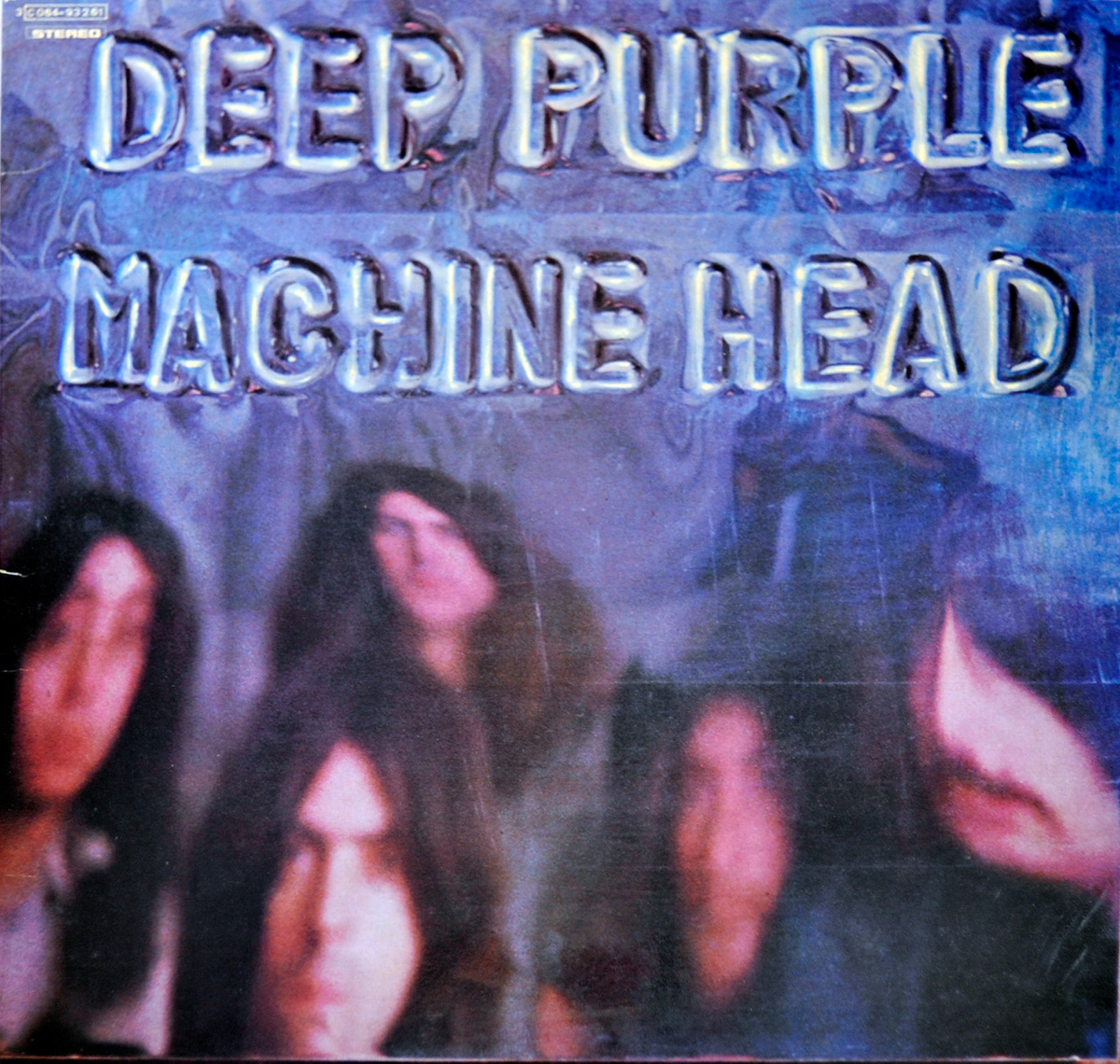
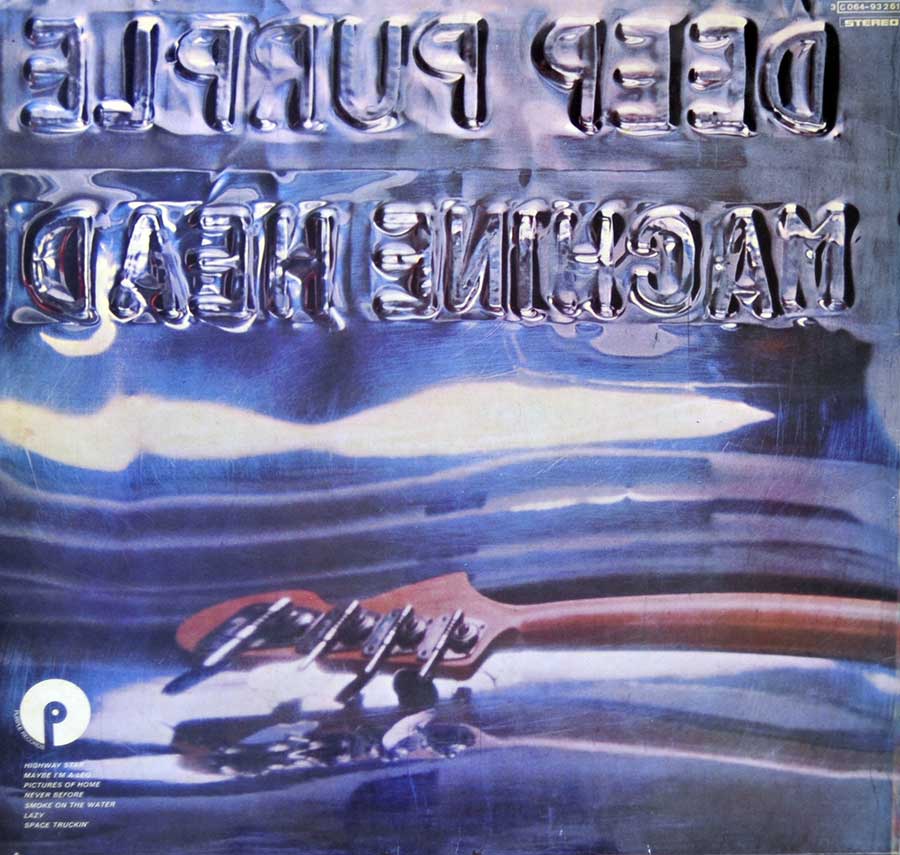
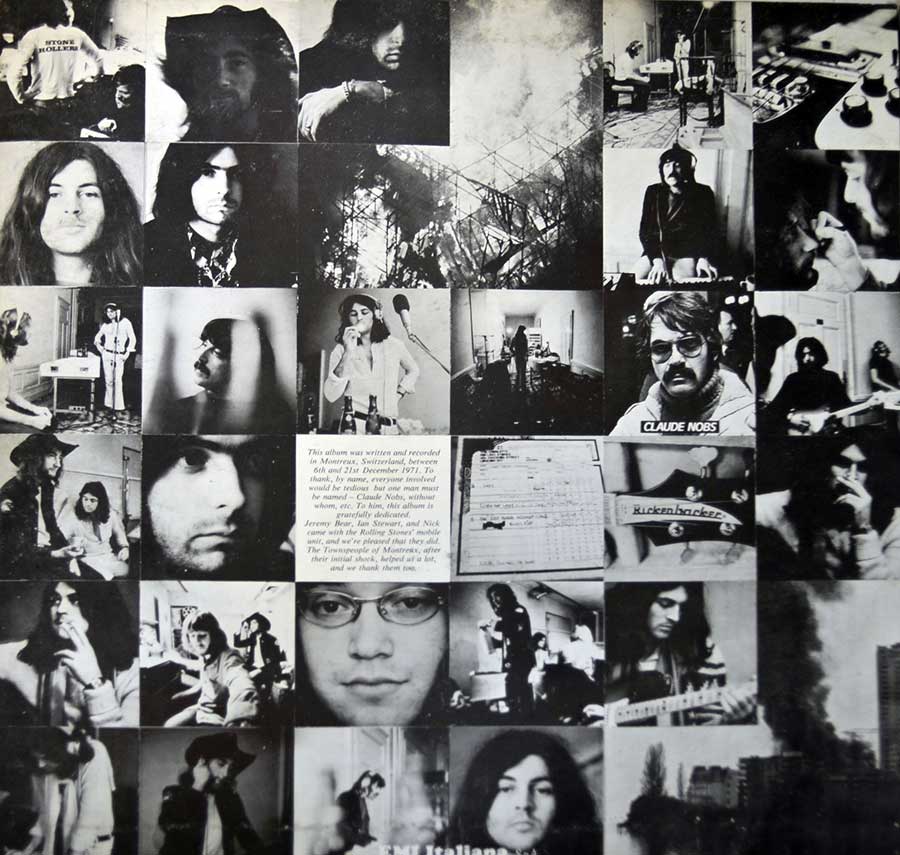
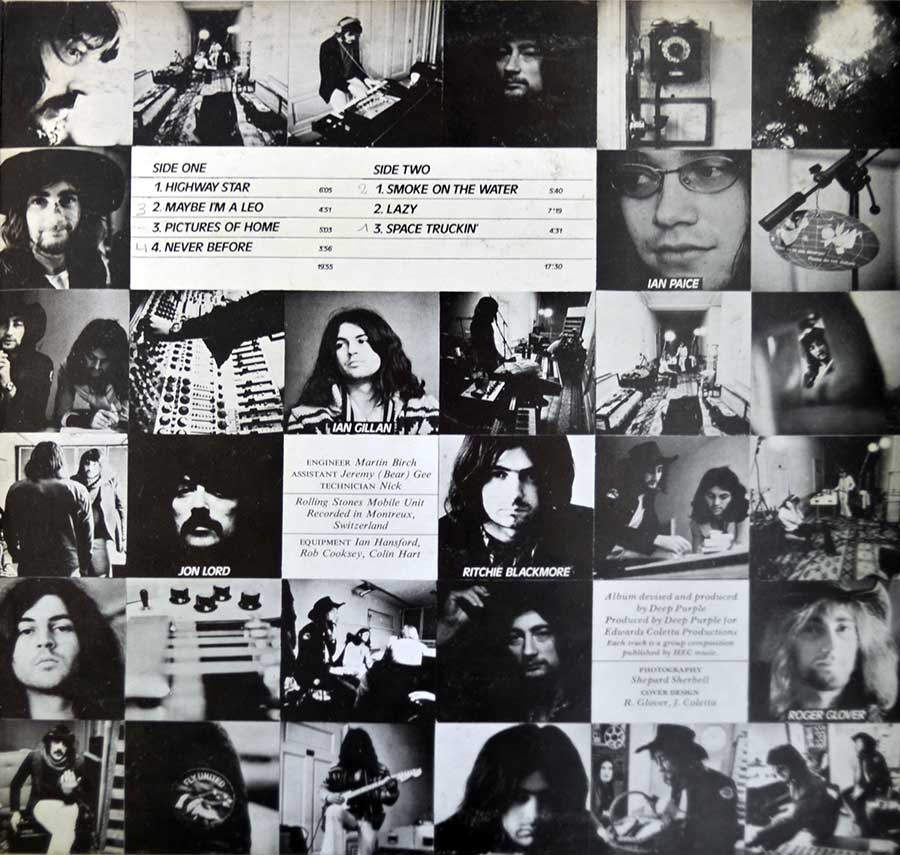
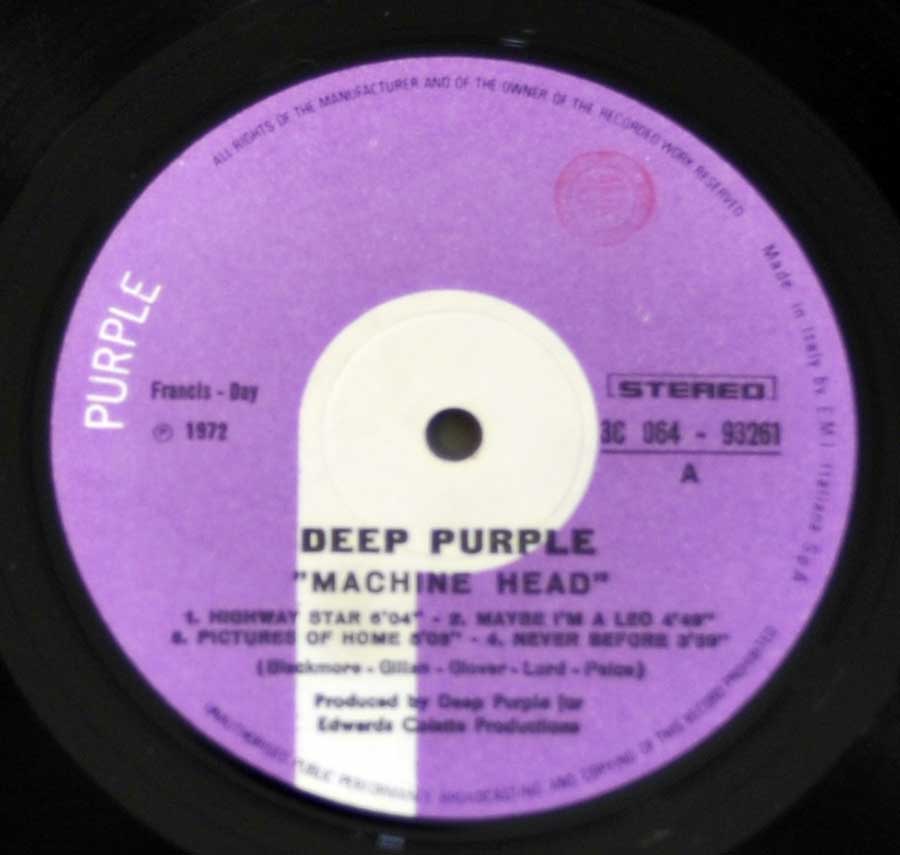
The Italian gatefold does not need a trumpet fanfare from me. It just suits the album. A record this forceful ought to feel substantial when you hold it, and this edition does. That is enough. "Machine Head" is not a monument because textbooks say so; it is a monument because once it is on, most of the room’s other options start looking weak.

.jpg)