About the OGWT (Old Grey Whistle Test)
- late-night BBC2, volume kept low, taste kept high
The Old Grey Whistle Test never felt like “a TV show.” More like a secret handshake that showed up late on BBC2 in 1971 and refused to leave until that last New Year’s swing into 1988. The house would be quiet, the screen would glow, and suddenly the music had room to breathe.
That ridiculous name? Not random. Tin Pan Alley types supposedly used to spin a new record for the grey-suited doormen first. If those “old greys” could whistle it after one or two plays, it had legs. Not scientific, sure. But neither is falling in love with a song at 00:17 while your tea goes cold.
Hosting shifted around, but the vibe stayed stubborn. Richard Williams kicked it off (Ian Whitcomb also had an early run), then “Whispering” Bob Harris settled in and made understatement sound like a weapon. Annie Nightingale later steered it with sharper edges, and by the 80s you’d see the Hepworth/Ellen era (often with Andy Kershaw and others circling) when the title even got trimmed down to just Whistle Test. Same engine, different badge.
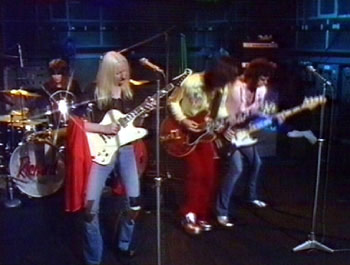
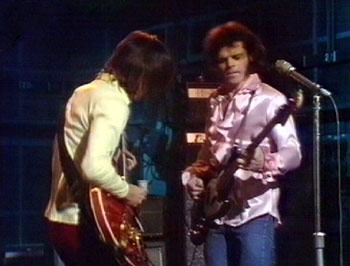
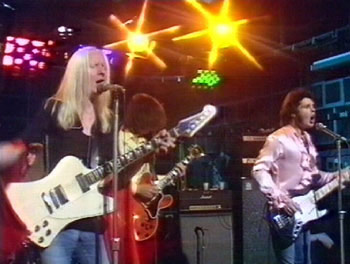
What mattered was the room: cables, lights, sweat, and that slightly clinical BBC studio air. Often no audience. No carnival barking. Just a band being told, in effect, “prove it.” Early TV tech sometimes forced awkward compromises, but when it hit, it hit clean and loud. That clarity is the whole point. Muddy Waters nailed it: “The blues had a baby and they named it rock and roll.”
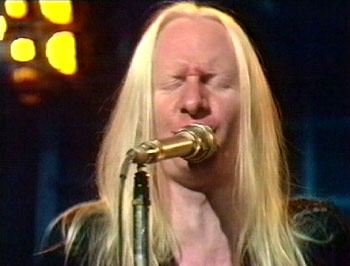
Some nights you’d catch the future in real time: Queen turning up before the world fully caught on, Bob Marley & The Wailers bringing that 1973 pulse to British telly, and Johnny Winter flat-out torching “Jumpin’ Jack Flash” like the studio floor owed him money. That’s the OGWT in one sentence: gasoline, sting, and zero patience for polite background music.
BBC even wheeled it back out in 2018 for a one-off live anniversary on BBC Four, because nostalgia is a powerful drug and broadcasting loves a reunion. Cute idea. Still, the real OGWT isn’t a “legacy” or a “cultural touchstone.” It’s that late-night hush where you realize you’re watching something that doesn’t care if it’s convenient.