Randy Jo Hobbs:
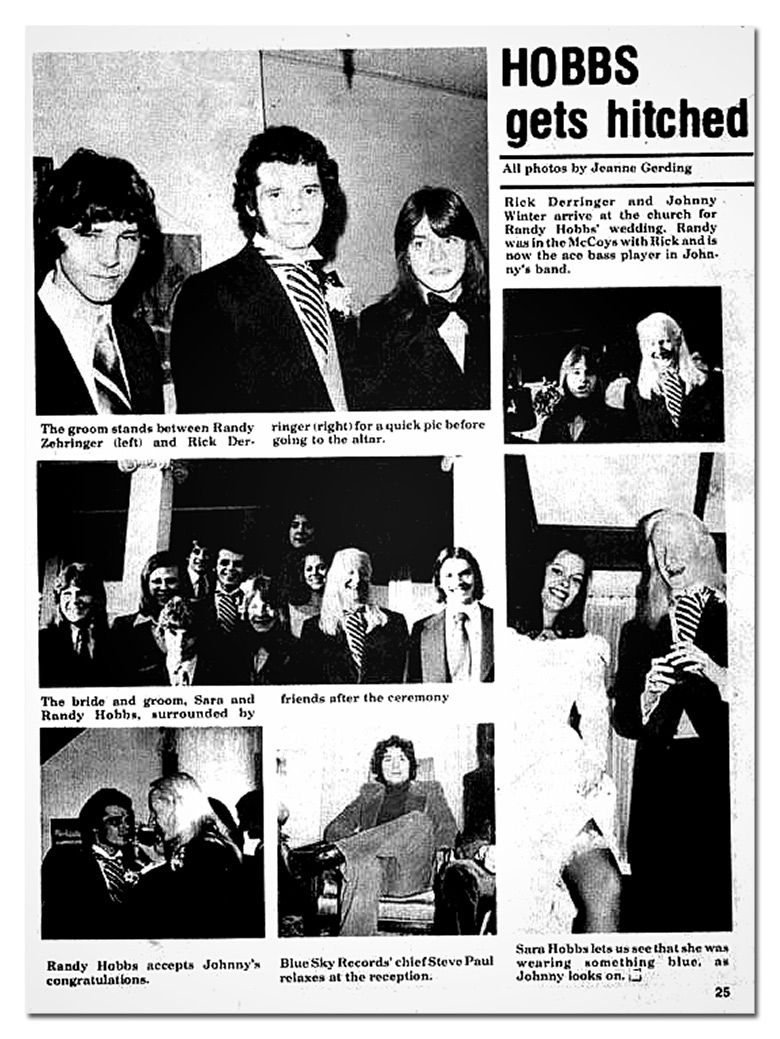
His career
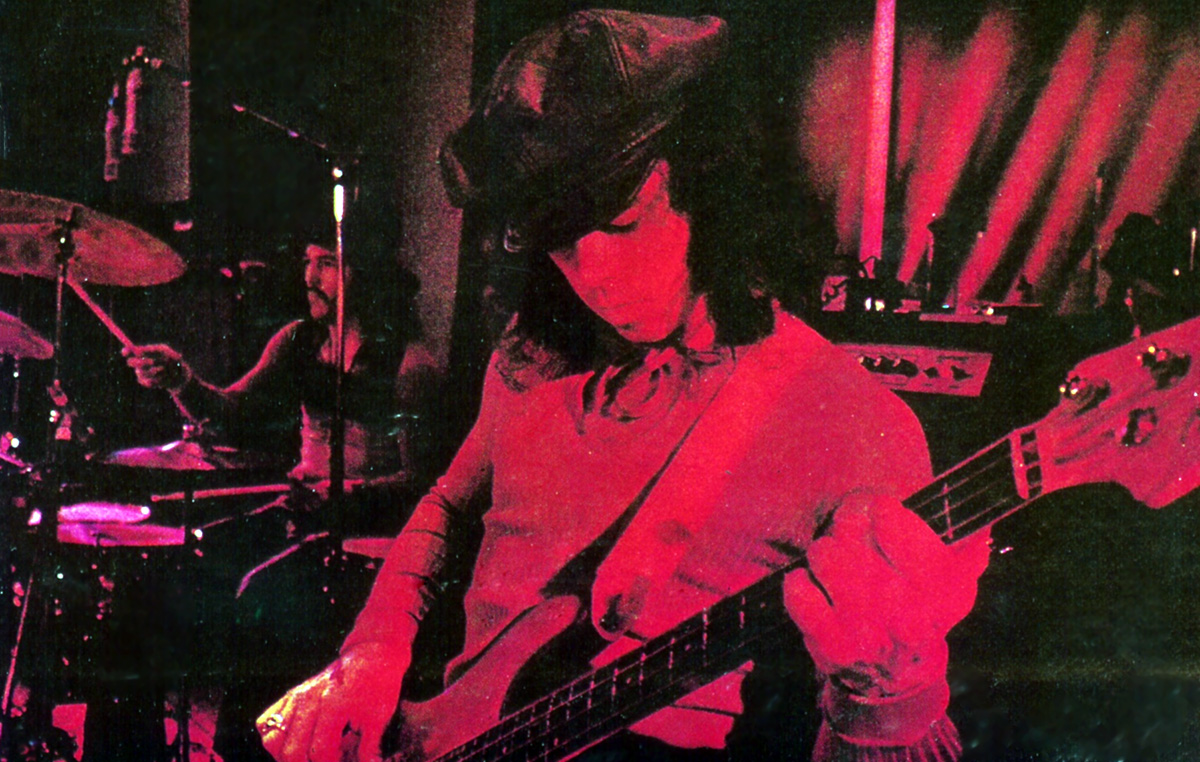
Randy Jo Hobbs (born Randy Joel Hobbs; 22 March 1948, Winchester, Indiana) never looked like he planned to be “tasteful.” That was the point. The bass sat low, the pick did the dirty work, and the notes came off the string like they had someplace to be. Not polite. Not rounded. More like a jab to the ribs that somehow lands right on the beat.
The first time the wider world really bumped into him was The McCoys era (roughly 1965–1969)—that teen-garage rocket fuel that didn’t ask permission. “Hang On Sloopy” may be the famous banner, but the real story is the road grind behind it: short drives, longer nights, cheap gear, loud rooms. Hobbs played like he was trying to keep the whole band from sliding off the stage. Sometimes he succeeded. Sometimes the stage deserved what it got.
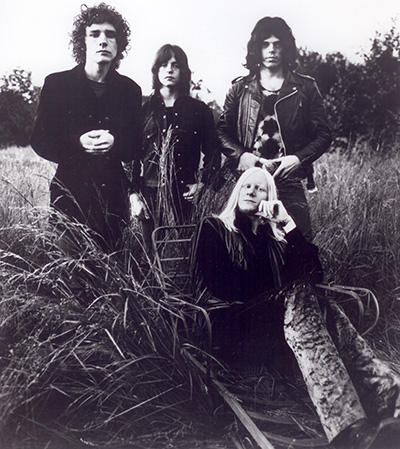
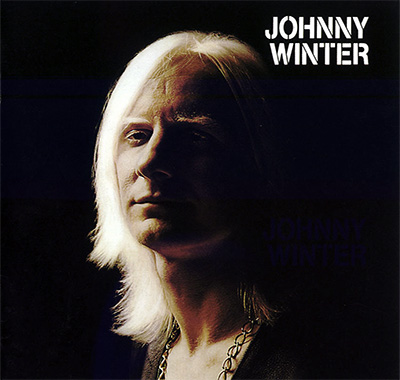
By the early ’70s, the orbit tightened around the Winter brothers. The Derringer connection is real (same circle, same hustle), but the romance-novel version isn’t needed. What matters is the sound: Hobbs brought a hard, bright push that fit the era’s “turn it up and find out” philosophy. On Edgar’s side, he’s specifically credited on “Free Ride” (and “We All Had a Real Good Time”)—and that track doesn’t work without that forward shove underneath the hook. It’s got that Rock and Roll Hoochie Coo strut: grin, stomp, go.
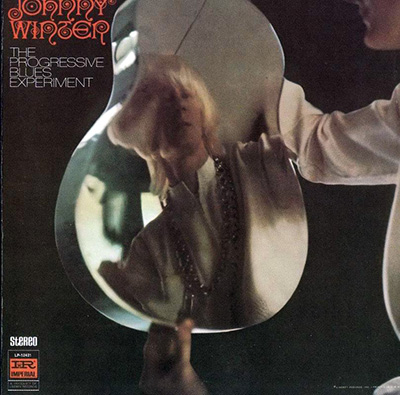
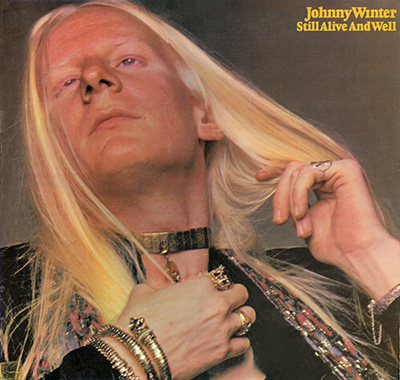
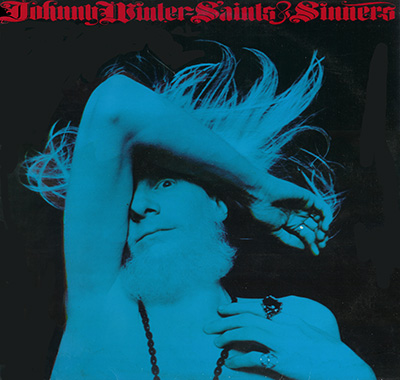
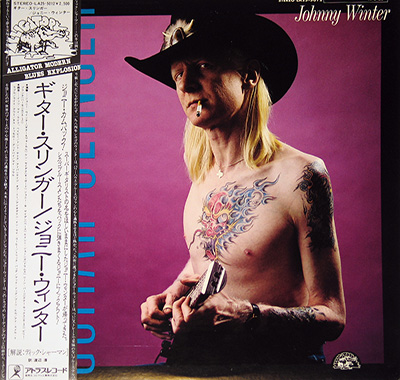
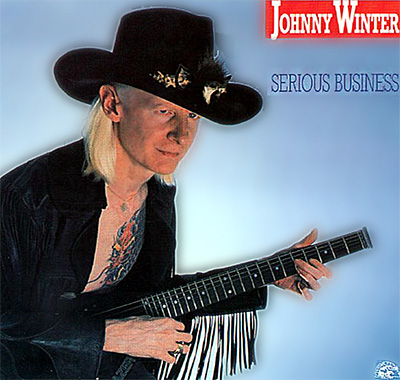
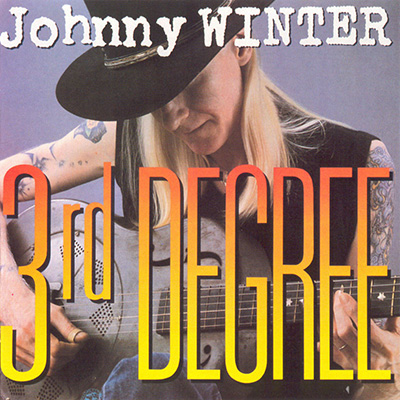
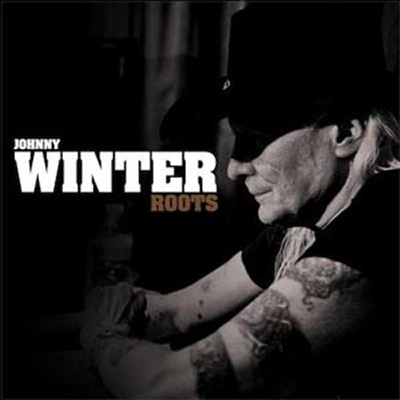
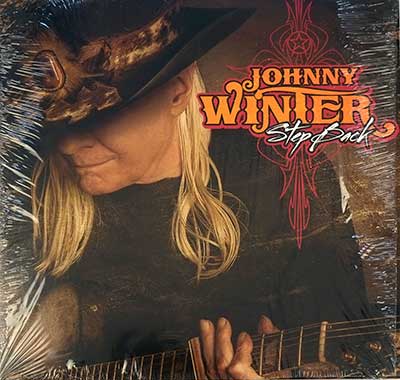
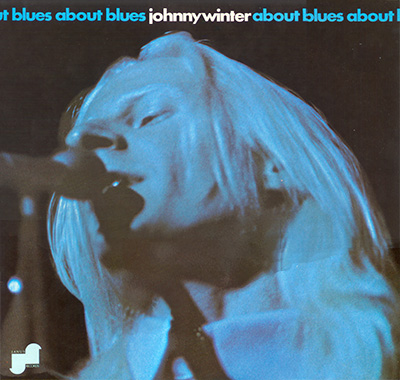
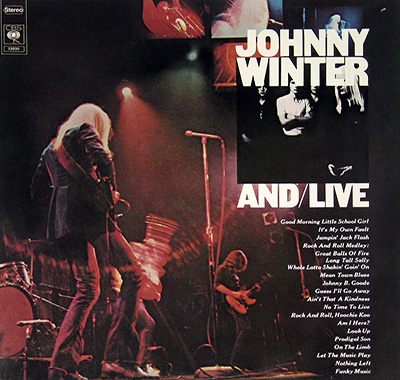
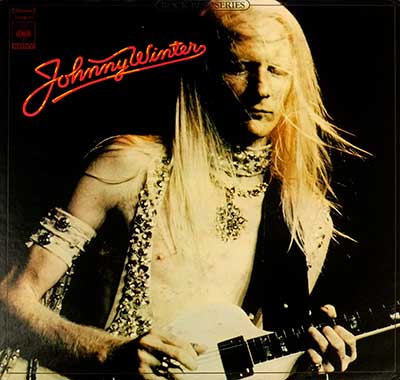
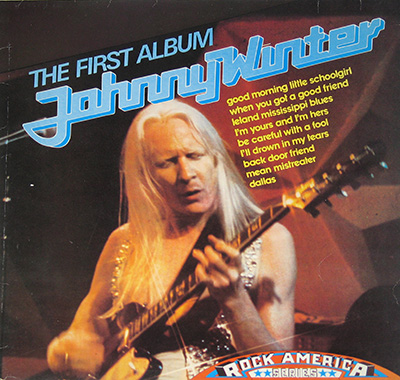
On Johnny’s side, the bass is right there in the grooves of "Still Alive and Well" (released March 1973) and the follow-up "Saints & Sinners" (1974). The thing about Hobbs is he didn’t just “support” the guitar—he leaned into it, like he wanted the amp to sweat. That trio feel hits with a blunt kind of honesty: no velvet ropes, no safety rail, just volume and nerve.
Side quests happened too. A later edition of Montrose shows him on "Jump On It" (1976), which makes sense if you hear his taste for momentum. And yes, the Hendrix footnote exists—live sessions from 1968 that surfaced later on releases like Bleeding Heart. That’s the kind of trivia that usually gets used as a brag; better to treat it as proof he was around, close enough to the voltage to get singed.
The darker part doesn’t need perfume: substance trouble followed him, and it wore down the machinery. Everybody loves the myth of the wild musician until the bill comes due. Hobbs didn’t get a neat third act. He got reality, and reality doesn’t clap at the end.
Hobbs died on 5 August 1993 in Dayton, Ohio, from heart failure tied to drug-related complications. Forty-five. Too young, too common, too damn final. Needle drops still make him feel present, though—especially when that pick attack jumps out of the speaker like it’s itching for a fight.