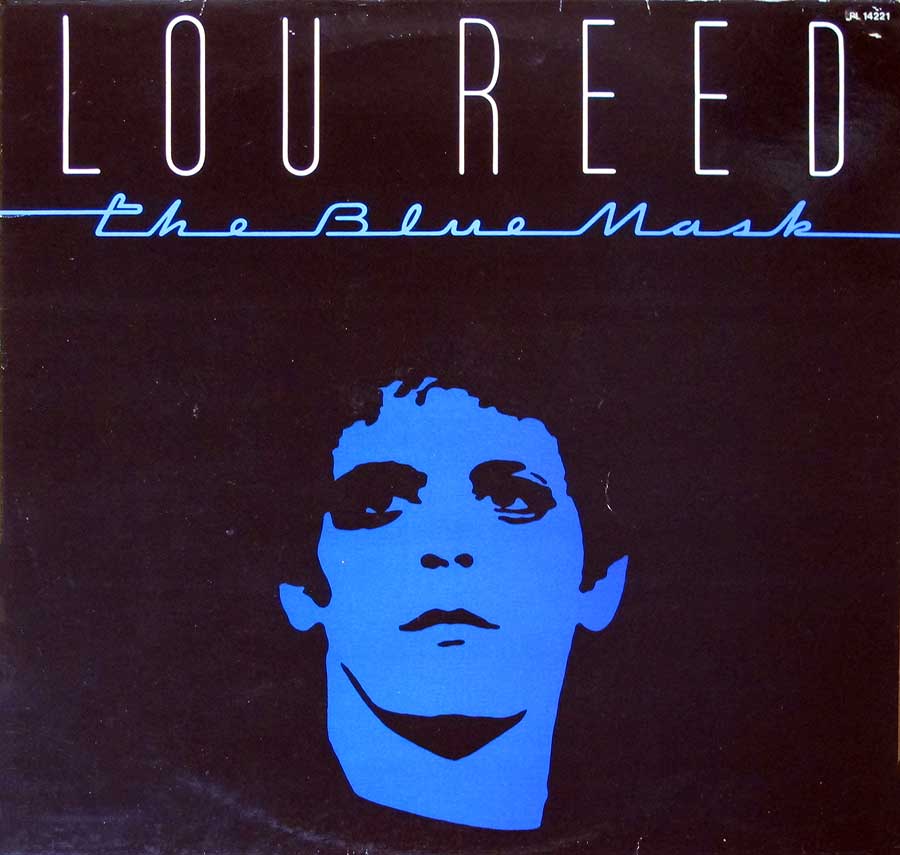
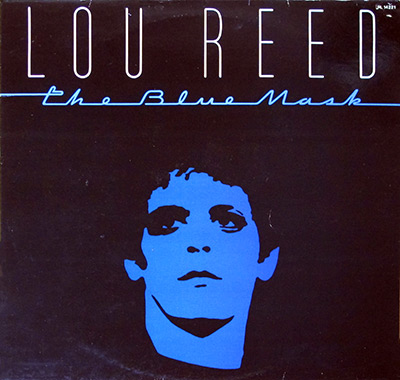
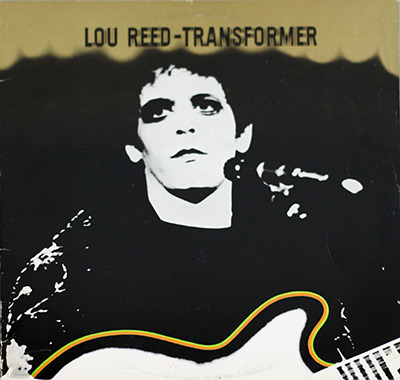
Forget the sleek, androgynous pop star of the Velvet Underground or the glam-rock provocateur of 'Transformer'. In 1982, Lou Reed ripped off the mask once again, and this time, it was raw, bloody, and undeniably blue.
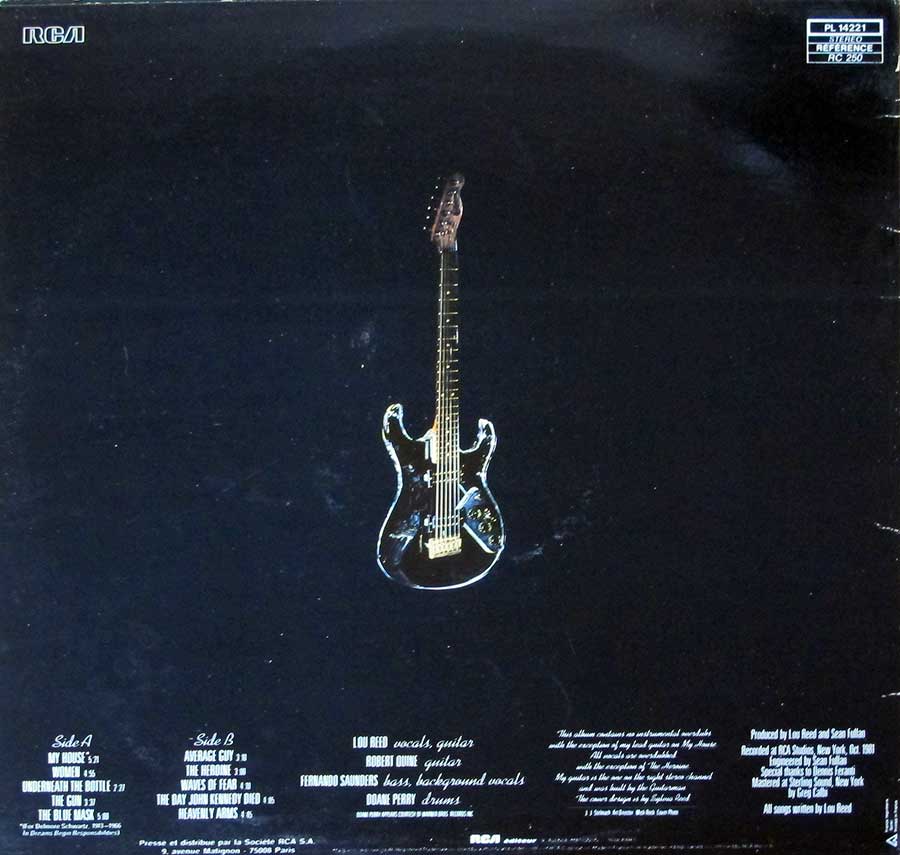
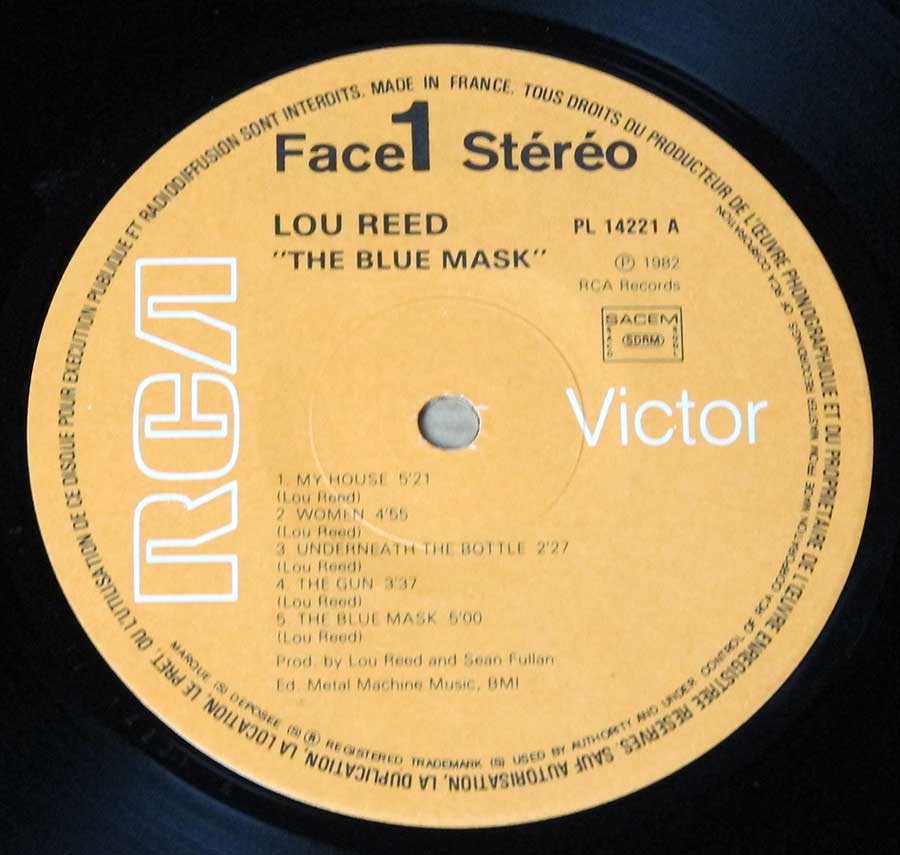
'The Blue Mask', released on French vinyl, was a sonic sucker punch to a world that had grown comfortable with Reed's carefully crafted personas. The album arrived at a time when the punk explosion was fading, and New Wave was getting polished for the masses. But Reed, backed by the ferocious rhythm section of Robert Quine and Fernando Saunders, wasn't interested in playing nice.
This wasn't music for the faint of heart. Reed's voice, a sandpaper growl soaked in nicotine and cheap whiskey, spat out tales of urban decay, sexual obsession, and the creeping dread of the Cold War. Tracks like 'Waves of Fear' and 'The Gun' were jagged, dissonant blasts of guitar noise that mirrored the anxieties of a world teetering on the brink.
Yet, amidst the chaos, there was a stark beauty. Reed's lyrics, stripped of metaphor and artifice, cut to the bone. 'Underneath the Bottle' was a harrowing portrait of addiction, a theme that resonated deeply with Reed's own struggles. 'Heavenly Arms' offered a glimpse of fragile hope amidst the darkness, a love song to his wife Sylvia Morales, who also designed the album's iconic cover. The album's centerpiece, 'Women', was a raw, unflinching exploration of desire and power dynamics that was both shocking and strangely tender, sparking controversy and debate upon its release.
Produced by Reed himself, and recorded at RCA Studios in New York City, 'The Blue Mask' sounded as raw and immediate as a live performance. The band, fueled by adrenaline and a sense of shared purpose, captured the urgency of Reed's vision. Quine's guitar playing was a revelation, a whirlwind of noise and melody that perfectly complemented Reed's stark vocals, solidifying his reputation as one of the era's most innovative guitarists.
'The Blue Mask' wasn't an easy listen, and it wasn't meant to be. It was a confrontation, a challenge to the listener to face the harsh realities of the world. It was music that demanded to be felt, not just heard. It was a howl of rage and despair, but also a testament to the enduring power of the human spirit.
In a world that was increasingly obsessed with image and artifice, Lou Reed, with 'The Blue Mask', dared to be real. It was a bold, uncompromising statement from an artist who refused to be silenced. It marked a turning point in Reed's career, showcasing his newfound sobriety and maturity as a songwriter, and while it may not have been his most commercially successful album, it remains one of his most powerful and enduring works, often cited as one of his best solo efforts.