Art Rock is the ambitious cousin of progressive rock that stepped into the late 1960s and early 1970s and decided three chords were not enough. I watched it unfold in real time: bands stretching songs past the polite radio limit, folding in classical moods, jazz phrasing, avant-garde textures, and a dash of theatre. From 1967 through the mid-1970s it blurred into glam, prog, and experimental scenes, then resurfaced in post-punk and new wave in the late 1970s. It was never just about complexity; it was about attitude, image, and daring to treat a vinyl LP like a canvas rather than a coaster. Read more on it
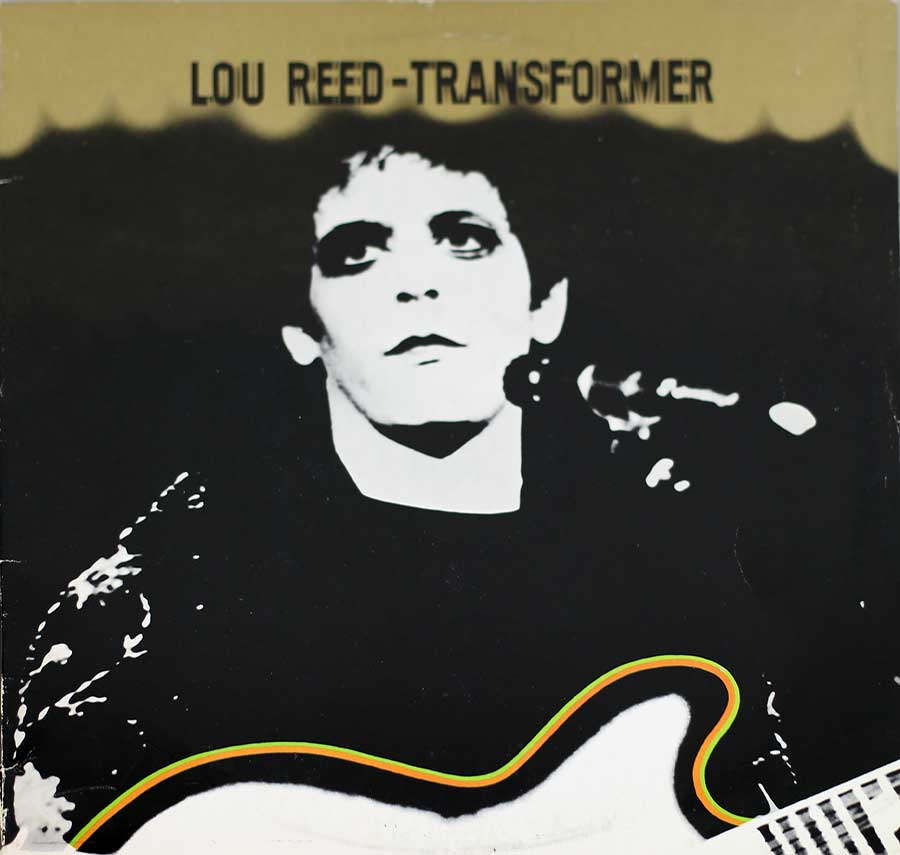
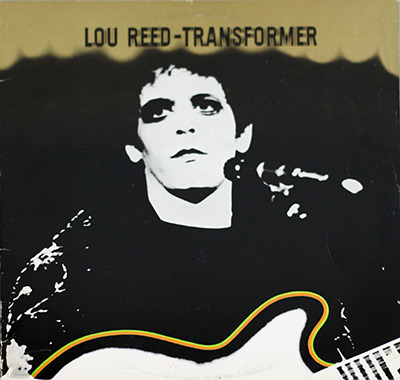
LOU REED TRANSFORMER 12" Vinyl LP Album
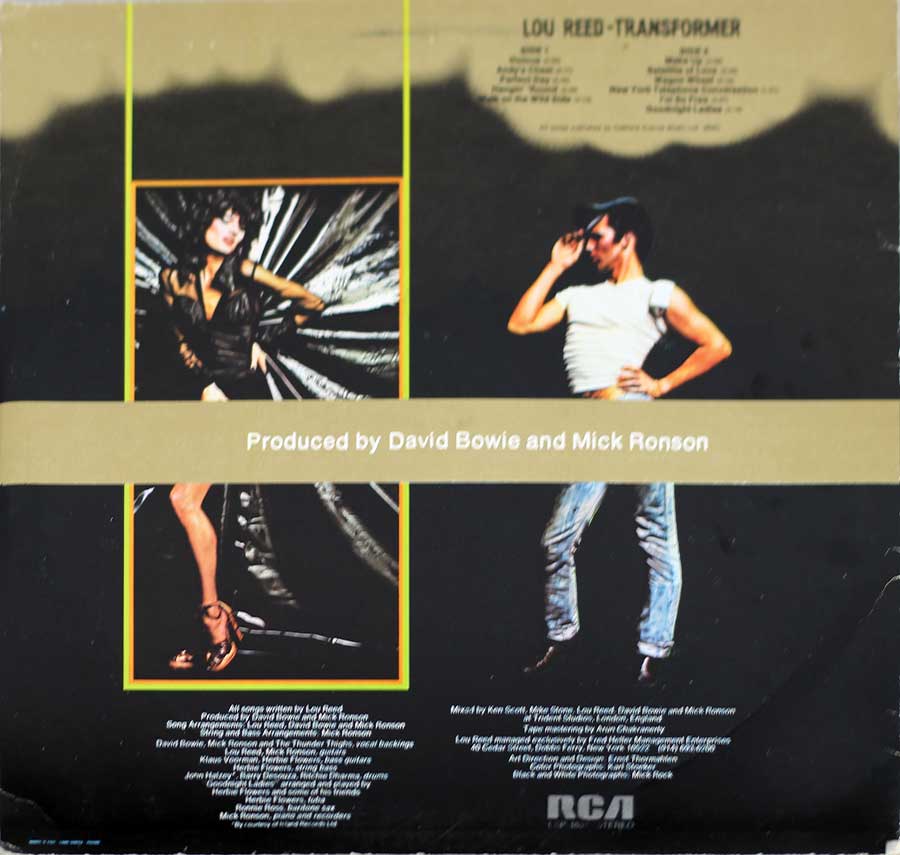
- Italian Release , Censored Album Back Cover
"LOU REED - Transformer," a 1972 masterpiece, transcends time with its fusion of Lou Reed's gritty lyricism and the innovative production by David Bowie and Mick Ronson. Recorded at Trident Studios, London, the album's iconic cover, designed by Ernst Thormahlen and photographed by Karl Stoeker and Mick Rock, complements the groundbreaking music. A cultural touchstone, "Transformer" remains a timeless testament to the collaborative genius that shaped the early 1970s music scene.