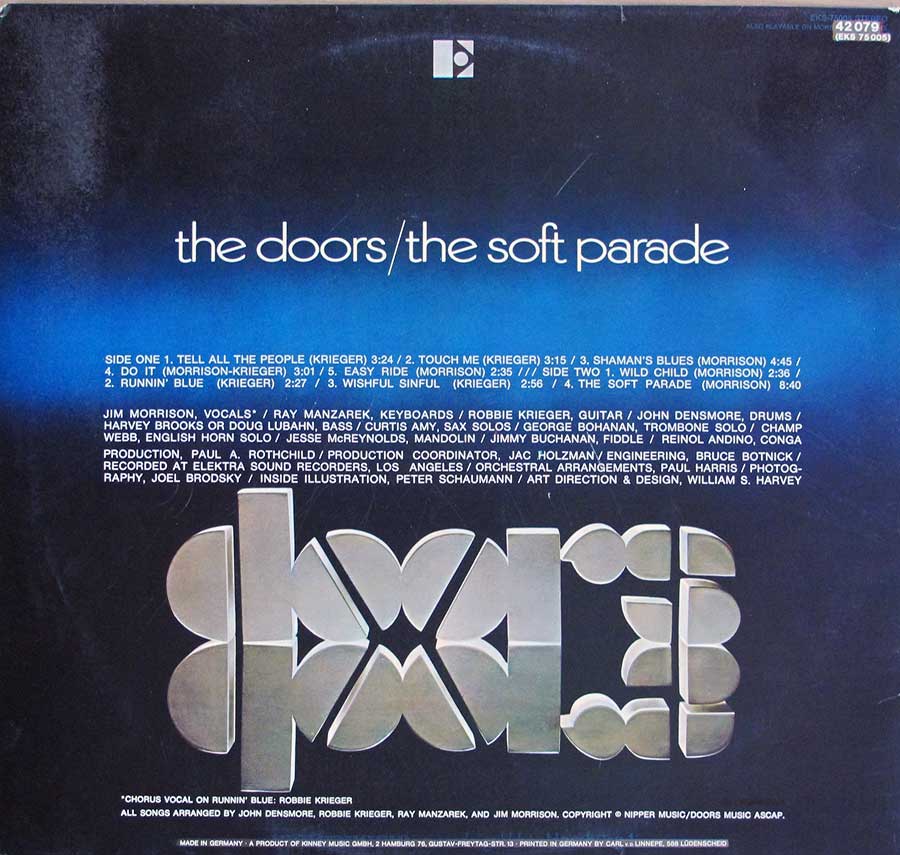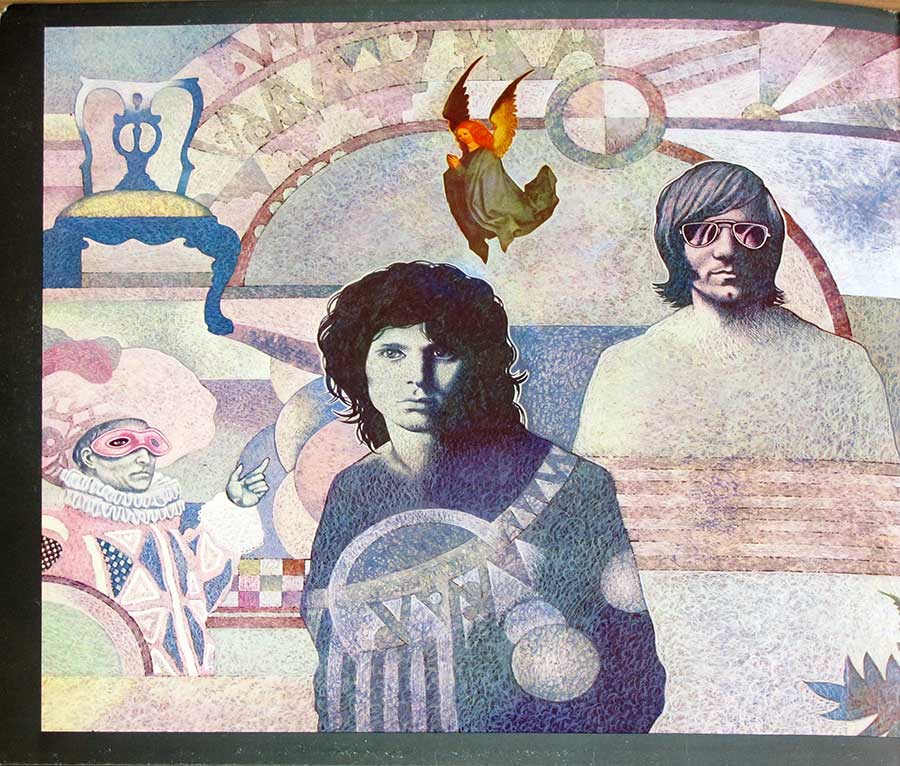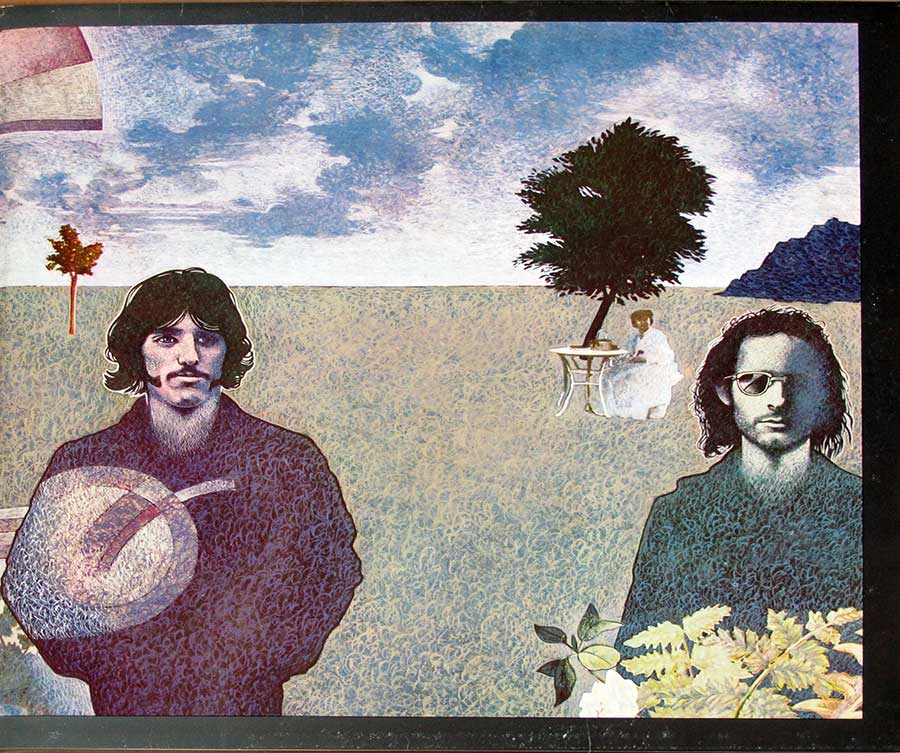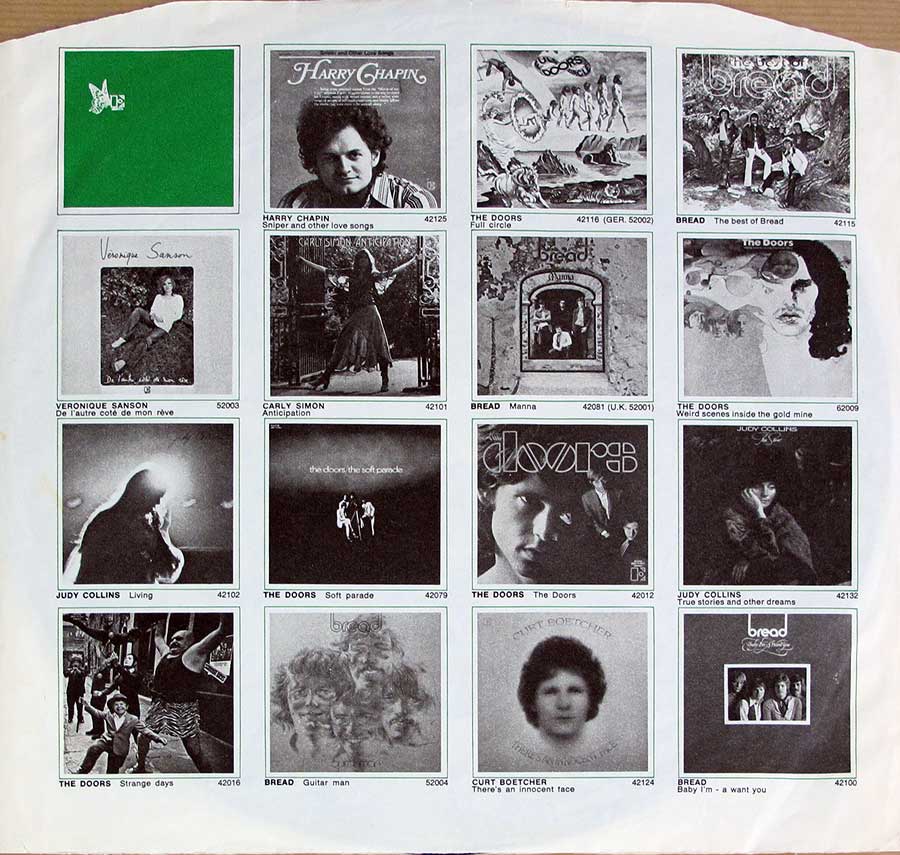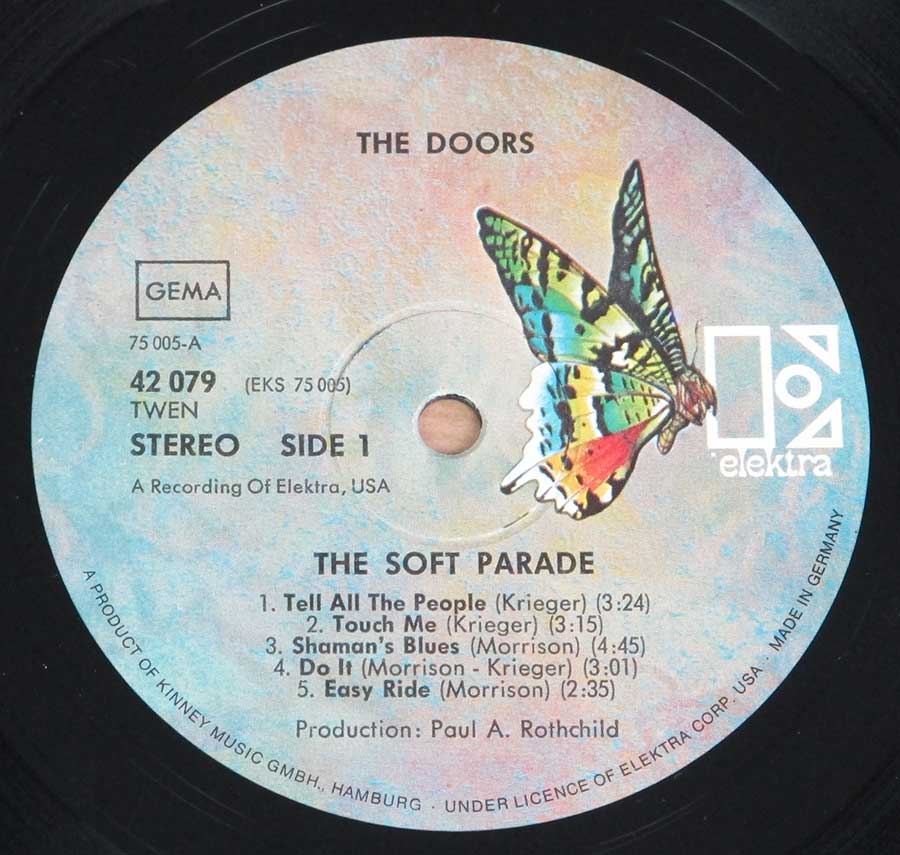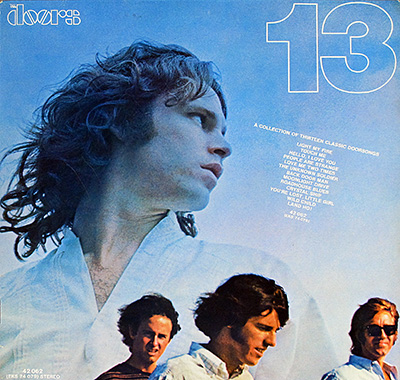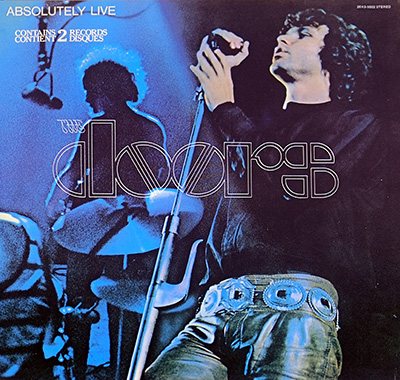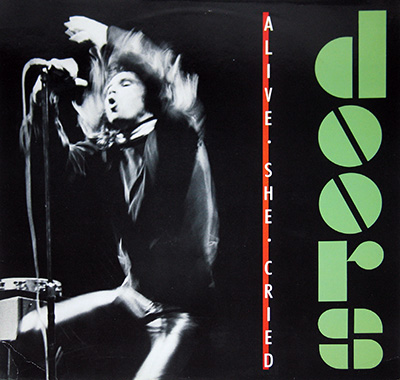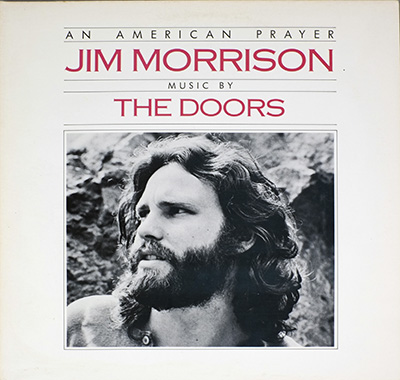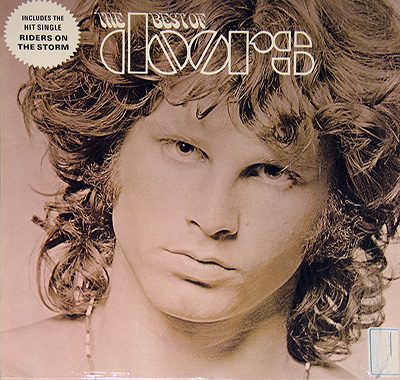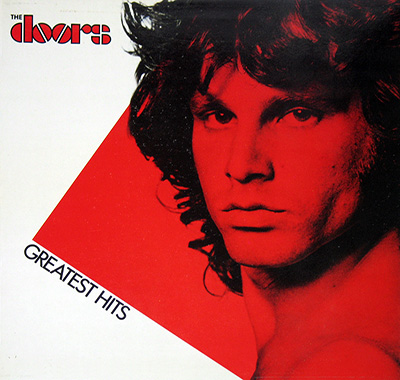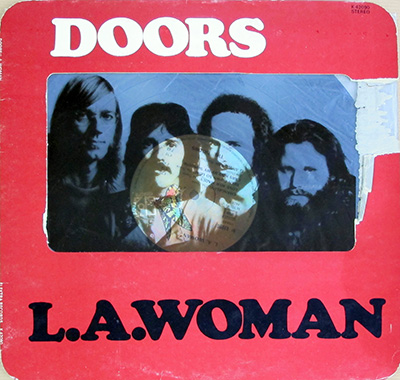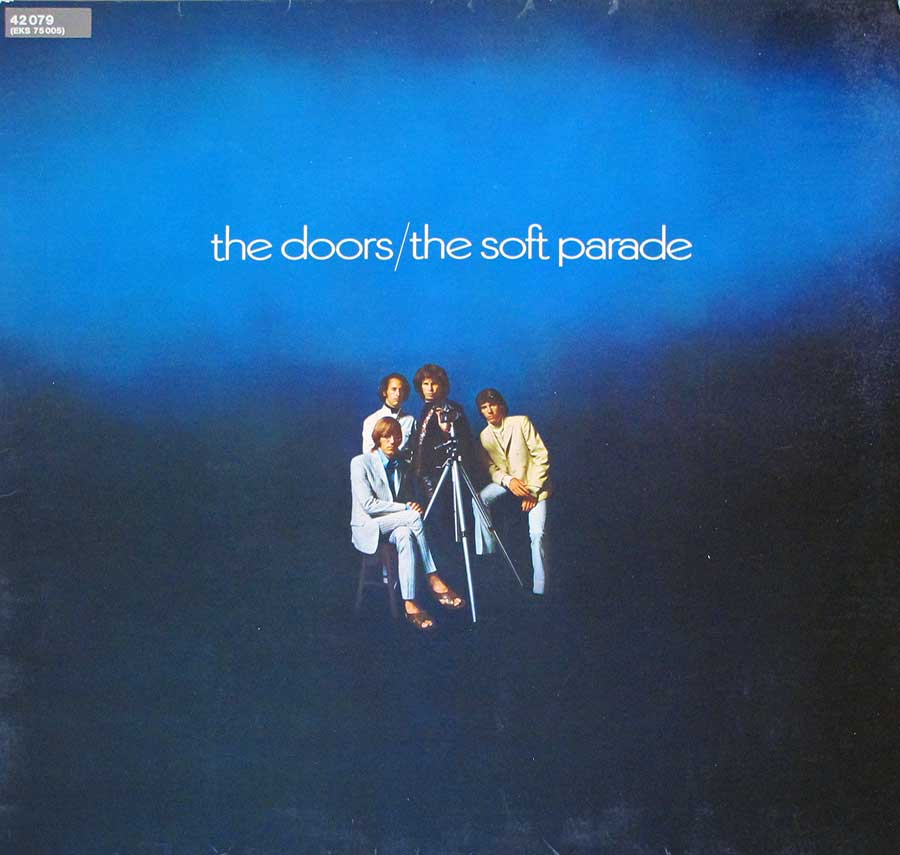
THE DOORS - "The Soft Parade" (1969) Album Description:
Late ’68 into ’69, The Doors are back in Elektra’s all-wood rooms, where drums snap and every mistake shows up like a fingerprint. Paul Rothchild keeps tightening the screws, and the band answers by putting brass and strings on their usual midnight glare. "The Soft Parade" is that gamble: sometimes it cuts clean, sometimes it feels overdressed, but it never sits still and behaves.
1969, as it actually feels: bright city, bad nerves
America in 1969 doesn’t feel like a postcard. It feels like a TV left on too loud: Vietnam in the corner of the room, arguments in the street, and everybody pretending the next big achievement will rinse the grime off the day.
This record drops on 18 July 1969, and on 20 July Apollo 11 lands on the Moon — the country does that magic trick where it points at the sky and hopes you forget what’s happening down here. Meanwhile Los Angeles keeps shining like polished chrome, and The Doors keep sounding like they’re allergic to that shine.
The horns-and-strings suit: sharp on some nights, itchy on others
The brass and strings aren’t the scandal. The scandal is that The Doors are trying to be precise. You can hear Rothchild’s hands on the collar: more takes, more polish, less "we’ll rescue it on stage."
When it works, it doesn’t feel "soft." It feels like a blade wrapped in velvet. When it doesn’t, you get that pinched tuxedo feeling: the band moving, but the outfit refusing to breathe.
What you hear when the needle drops
The early run is the album trying to look you straight in the face. "Tell All the People" comes in dressed for daylight, which is not what most people ordered from The Doors — and that mismatch is the whole point. They’re daring you to call it wrong just because it’s clean.
"Touch Me" is the obvious winner and the obvious annoyance. The horns snap, Morrison steps forward like he already knows the single is halfway out the door, and the track struts instead of wandering. You can roll your eyes and still catch yourself humming it later. That’s how it gets you.
Then the record starts showing seams — and I like it more there. "Shaman’s Blues" drags its boots. "Wild Child" kicks the studio door open and reminds everyone what the band sounds like when it stops trying to impress the furniture.
And "Runnin’ Blue" is the weird little left turn: fiddle and mandolin in the mix, like somebody dared them to flirt with a hoedown while the city smolders behind the glass. It shouldn’t work. It kind of does. I’m still not sure if I’m irritated or amused — which is a useful feeling to have.
The title track: stitched on purpose, and you can hear the thread
"The Soft Parade" (the song) isn’t a nice, polite "composition." It’s Morrison in notebook mode — fragments, sermon-bursts, street-sign images — and the band trying to keep the whole thing upright while it sways.
Some sections feel nailed down; others feel one breath away from falling apart. That’s not a flaw. That’s the hook. A parade isn’t tidy. If it’s tidy, it’s not a parade — it’s a corporate march.
Who’s actually steering: pressure, capture, and extra physics
Rothchild’s main instrument here is pressure. Botnick’s is capture — keeping the sound from turning to syrup when the arrangements get sweet. Paul Harris brings the brass and strings, and the best moments feel like the band is being framed under harsh light instead of wallpapered.
The extra musicians aren’t just "color." They change the weight distribution. Harvey Brooks and Doug Lubahn put real ballast under the organ-and-guitar habits. Curtis Amy’s sax doesn’t politely decorate; it barges in and takes a seat. Add trombone, congas, mandolin, fiddle — suddenly the Doors’ usual minimalism has roommates.
About the "sellout" yelling: lazy word, easy target
People called it a sellout because it’s the fastest insult in the drawer. Sure, the album is more polished, and yes, it annoyed fans who wanted the band lean and dangerous. But the horns and strings aren’t the real "problem."
When this record stumbles, it’s not because a trumpet showed up. It’s because a couple of songs feel like sketches that got promoted to final drafts. The fancy suit didn’t invent the weakness — it just made it easier to see.
One quiet anchor (because records live in rooms, not timelines)
I still hear this album best at night: lamp low, street outside too quiet to trust, the turntable doing that soft mechanical whisper between tracks. In that setting, the gloss stops looking like "selling out" and starts looking like a nervous grin you put on before you walk into a fight.
So what is it?
It’s The Doors trying to sound bigger without becoming background music. It succeeds often enough to make the misses annoy me — which is honestly a compliment. The truly bad records don’t annoy you. They just leave.
Some nights I want The Doors to kick the door in. This one touches the knob first, pauses, and still leaves a dent.
References
- Vinyl-Records.nl: high-resolution album cover photos (archive)
- The Doors (official): 50th Anniversary Deluxe Edition notes
- Hi-Fi News: production notes (Rothchild/Botnick sessions)
- MusicBrainz: release data and credits
- HISTORY: 5 March 1969 — Miami charges context
- NASA: Apollo 11 mission overview (Moon landing date)
- Britannica: Woodstock (1969 context)