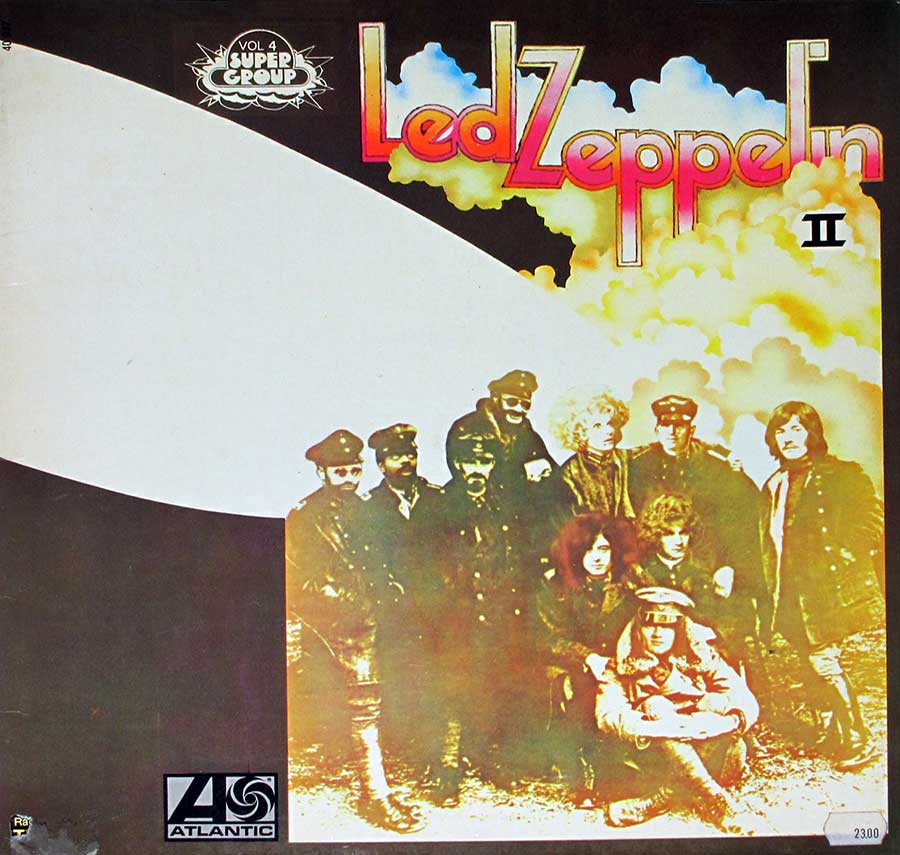
The year was 1969. The Summer of Love had given way to a darker, more uncertain era. The Vietnam War raged on. The Manson Family murders had shattered the illusion of peace and love. The world was changing, and rock and roll was changing with it. In the midst of this turmoil, Led Zeppelin unleashed their second album, simply titled "Led Zeppelin II".
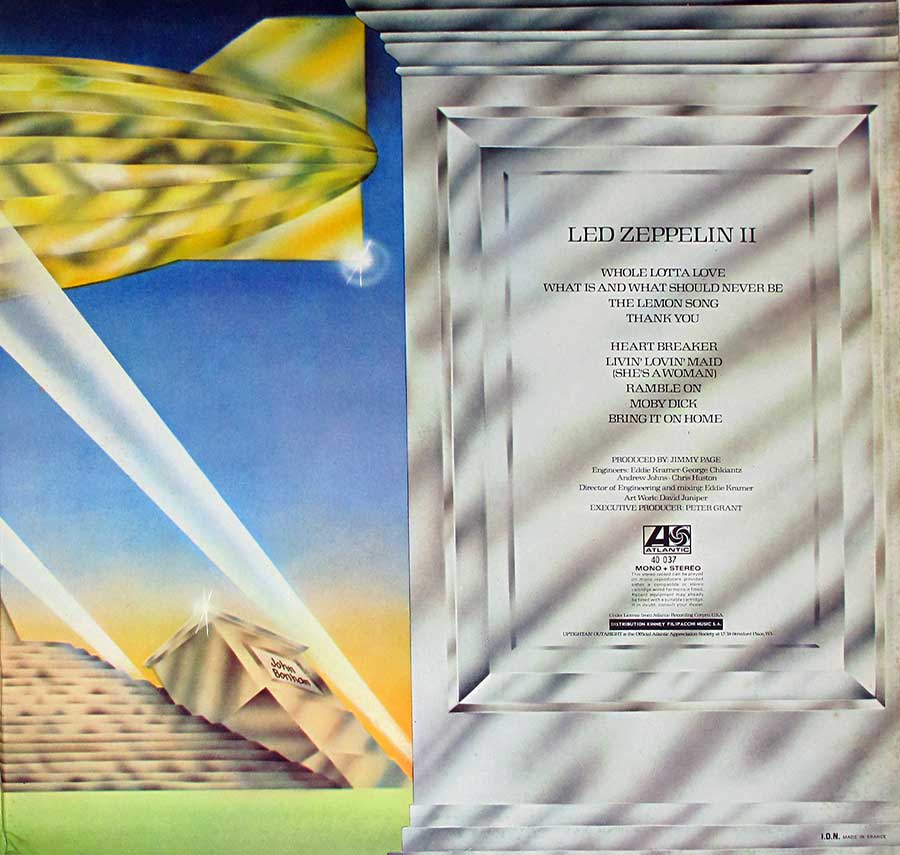
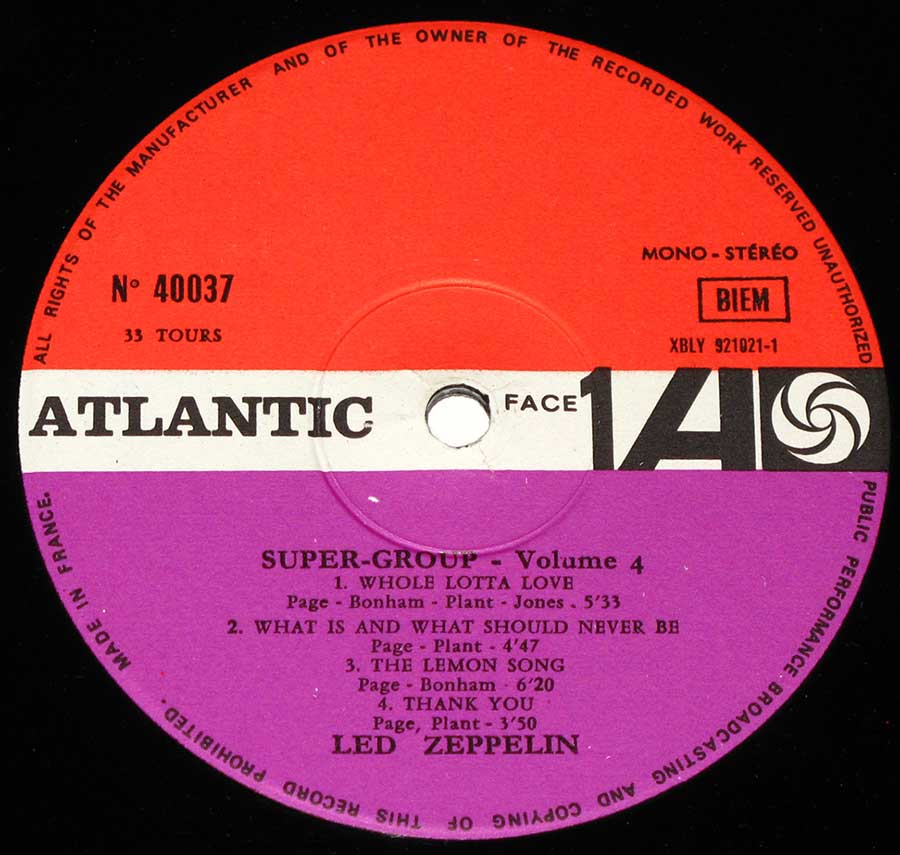
From the opening salvo of "Whole Lotta Love," it was clear that this was no mere follow-up to their debut. This was a declaration of intent. A sonic assault that pushed the boundaries of rock and roll, blues, and folk. It was raw, primal, and unapologetically loud. Jimmy Page's guitar riffs were like lightning bolts, John Bonham's drumming was thunderous, John Paul Jones' bass lines were the bedrock, and Robert Plant's vocals were a banshee wail.
The album was a whirlwind tour of musical exploration. From the bluesy swagger of "The Lemon Song" to the Eastern-tinged psychedelia of "Ramble On," Zeppelin showed their versatility and willingness to experiment. The album's centerpiece, "Whole Lotta Love," was a sonic collage of heavy riffs, psychedelic interludes, and Plant's orgasmic moans. It was a song that pushed the limits of both musical and sexual boundaries, and it became an instant classic, renowned for its innovative use of the theremin and its iconic guitar solo.
Another standout track was "Heartbreaker," a showcase for Page's blistering guitar work and Plant's powerful vocals. The song's breakneck pace and raw energy perfectly captured the spirit of the band's live performances. "Ramble On" offered a gentler side of Zeppelin, with its acoustic guitars and evocative lyrics inspired by J.R.R. Tolkien's "The Lord of the Rings." This blend of hard rock and folk influences would become a hallmark of the band's sound.
The recording of "Led Zeppelin II" was as chaotic and frenetic as the music itself. The band recorded in various studios across the US and UK, often in between tour dates. The album was produced by Jimmy Page, who pushed the band to their limits, capturing their raw energy and power. The result was a sound that was both immediate and timeless, setting a new standard for rock production.
Of course, "Led Zeppelin II" was not without its controversies. The band was accused of plagiarism for "The Lemon Song," which borrowed heavily from Howlin' Wolf's "Killing Floor." There were also rumors of occult influences and backmasking, fueled by Page's fascination with the works of Aleister Crowley. But these controversies only added to the band's mystique, contributing to their image as rebellious rock stars.
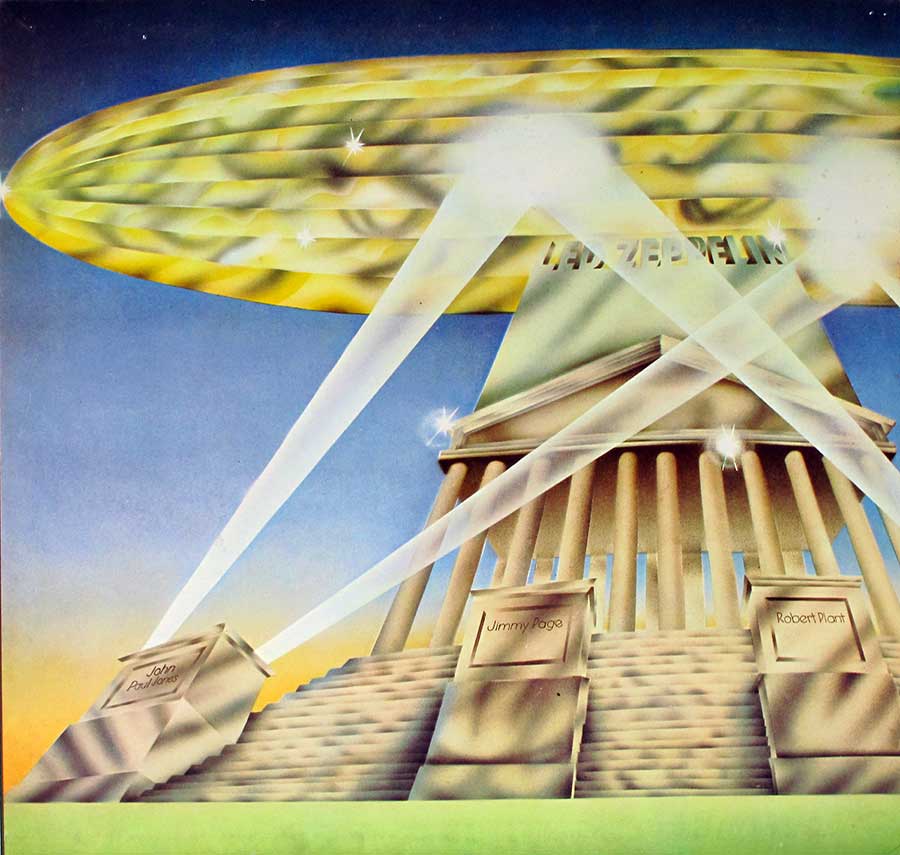
"Led Zeppelin II" was a landmark album that cemented the band's status as rock and roll titans. It was an album that captured the spirit of a turbulent era, a time of change and uncertainty. It was an album that pushed the boundaries of what was possible in rock music, and it continues to inspire and influence musicians to this day. Its iconic album cover, featuring a stark black and white photo of the band superimposed over a World War I zeppelin, further solidified their image as a force to be reckoned with.
In the world of rock history, "Led Zeppelin II" stands as a testament to the power of rock and roll. It is an album that is both a product of its time and a timeless classic. It is an album that continues to resonate with listeners across generations, and it is a reminder of the power of music to move, inspire, and transform.