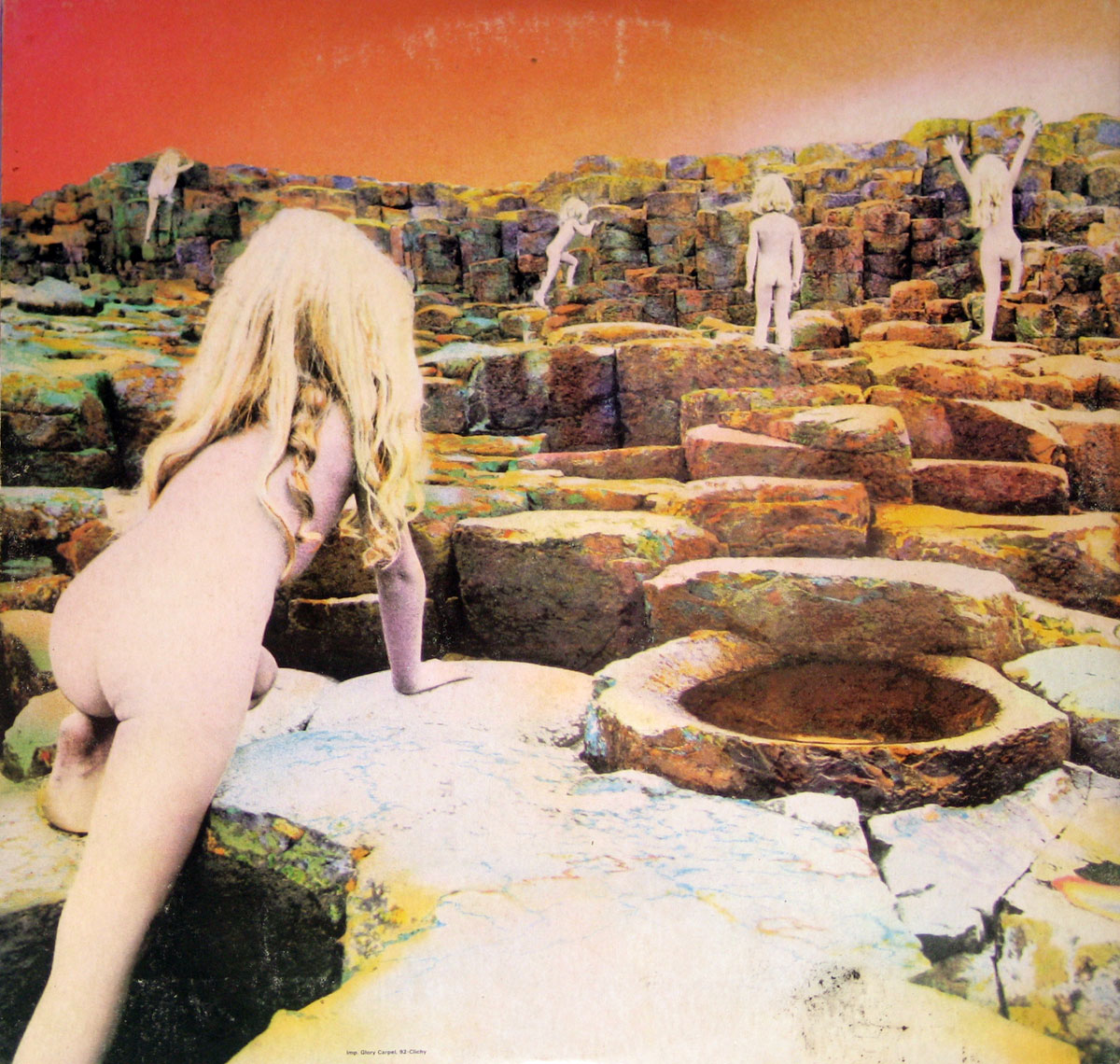
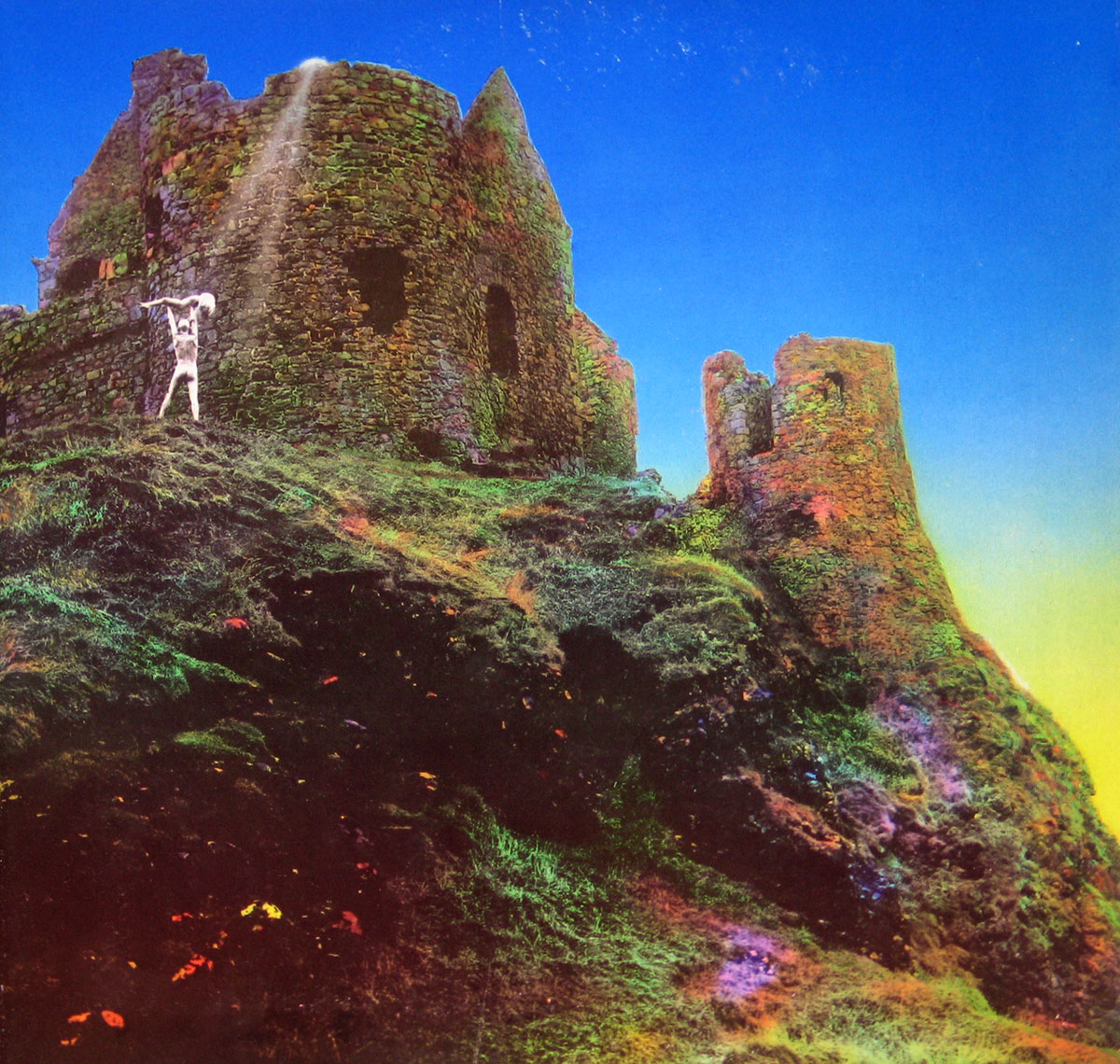
Hipgnosis is the legendary London-based art design group that turned rock sleeves into visual myths. The core duo, Storm Thorgerson and Aubrey "Po" Powell, were childhood friends of the Pink Floyd inner circle in Cambridge—a connection that allowed them to bypass the stiff mandates of EMI’s in-house design department in 1968. Their debut, "A Saucerful of Secrets," was only the second time in EMI history (after The Beatles) that an outside firm was granted creative control. The very name "Hipgnosis" was a piece of found art; Syd Barrett, during one of his more enigmatic phases, scrawled the word in ballpoint pen on the door of the South Kensington flat he shared with the duo. Thorgerson loved the linguistic friction of it: the "Hip" for the new and groovy, and "Gnosis" for the ancient, hidden knowledge. While Peter Christopherson later joined as a third partner in 1974, that initial Barrett-endorsed moniker defined a decade of surrealist mastery for bands like Led Zeppelin, Genesis, and 10cc, before the group dissolved in 1983.
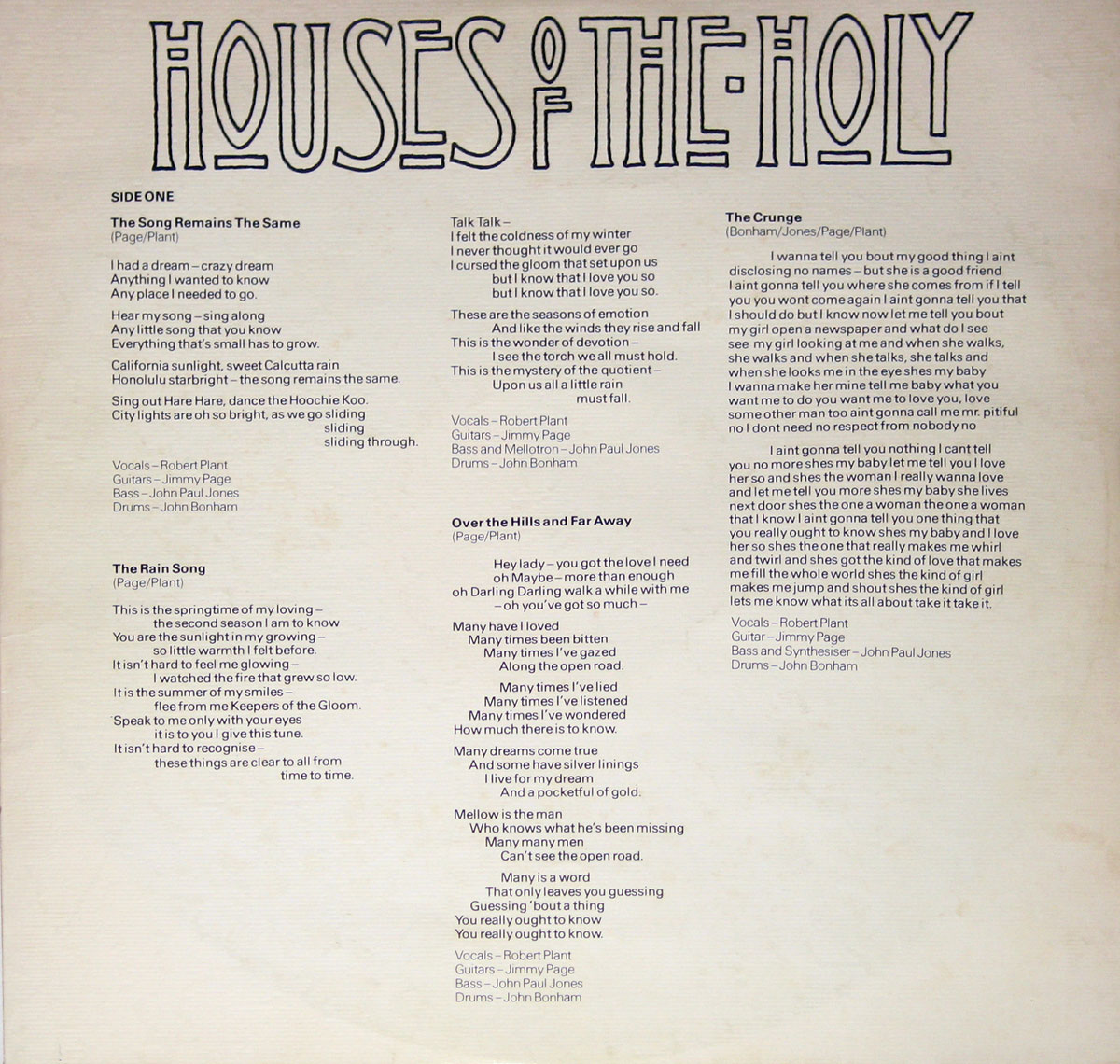
Led Zeppelin - Houses of the Holy - 12" Vinyl LP Album
- Rare 1973 French Vinyl Gem
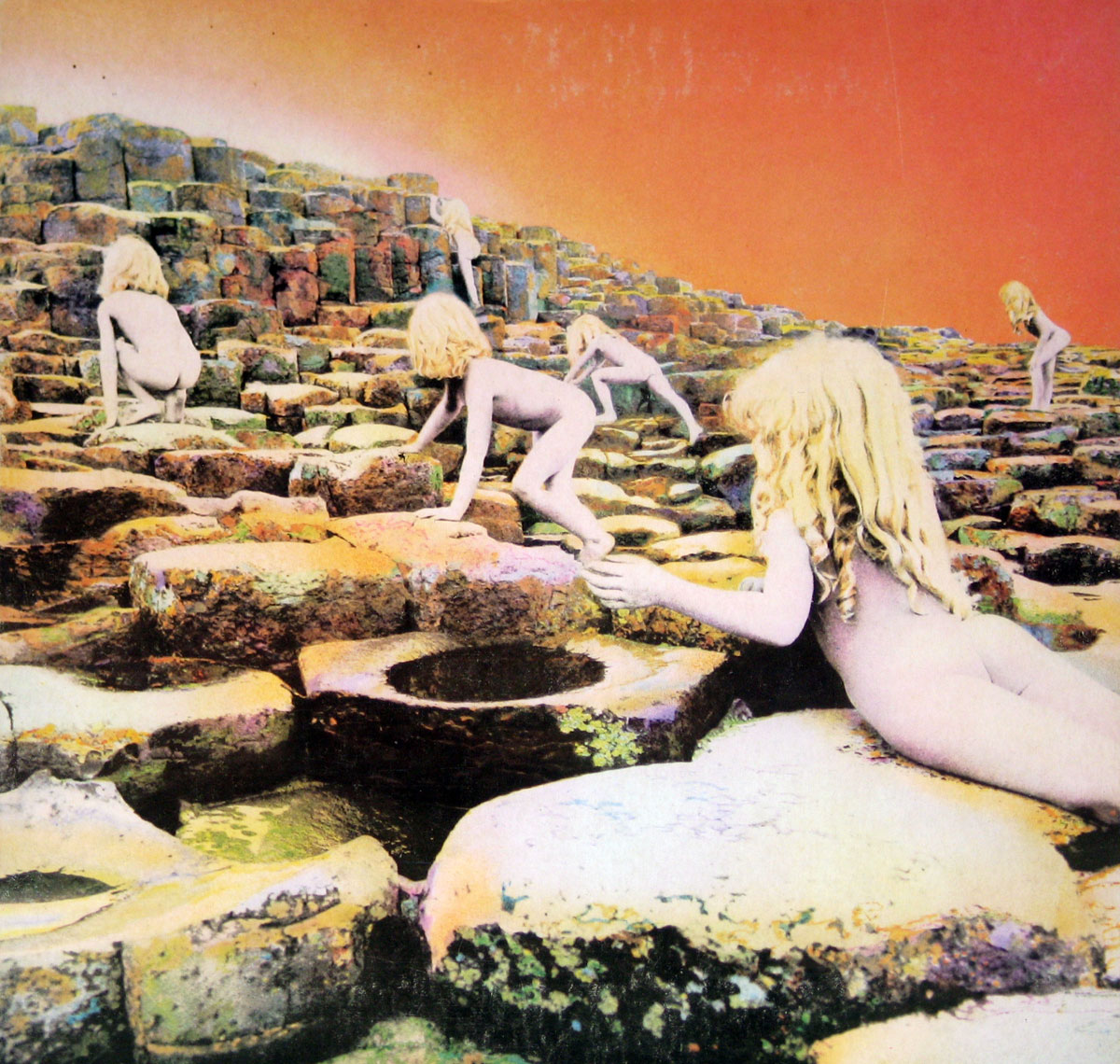
"Houses of the Holy" is the fifth studio album by the English rock band Led Zeppelin, released by Atlantic Records on 28 March 1973. The album title is a dedication by the band to their fans who appeared at venues they dubbed "Houses of the Holy." It was the first Led Zeppelin album (apart from their fourth album) to not officially be titled after the band. It was also the first of the band's albums to be composed of completely original material. It represents a musical turning point for Led Zeppelin, as they began to use more layering and production techniques in recording their songs.