Album Description:
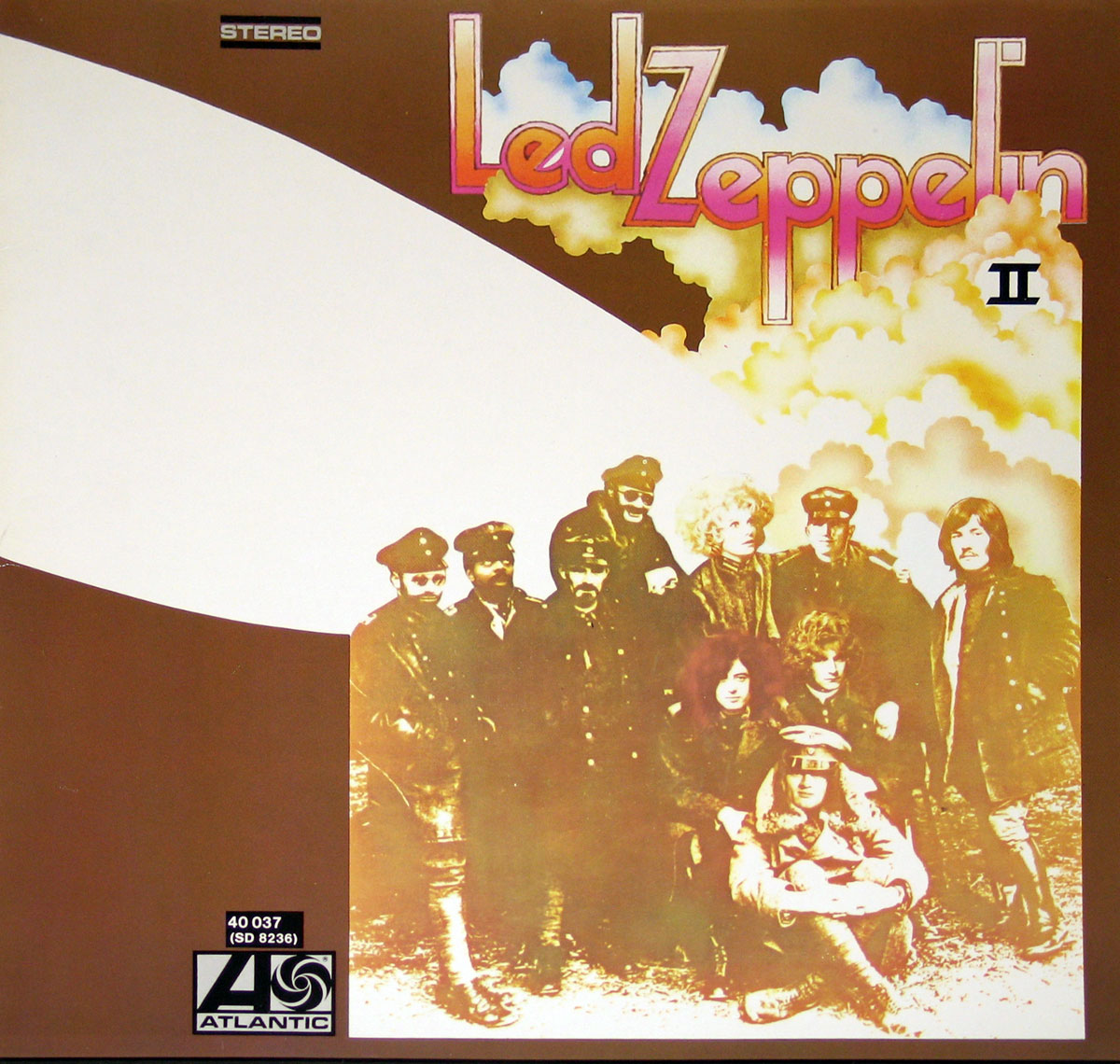
In the world of rock history, few albums have left an indelible mark as profound as Led Zeppelin II. Released in 1969, in the United Kingdom and later in the United States, this iconic 12" Vinyl LP Album not only catapulted Led Zeppelin to unprecedented heights but also played a pivotal role in shaping the musical landscape of the 1970s. This expository article delves into the time period of the album's release and its production, exploring the convergence of hard rock and blues-rock that defined an era.
The Time Period:
Led Zeppelin II emerged during a tumultuous period of cultural and musical transformation. The late 1960s were marked by a rebellion against established norms, with the counterculture movement gaining momentum. Against this backdrop, Led Zeppelin II echoed the sentiments of a generation seeking new forms of expression. The album dropped at the height of the Vietnam War and amidst social and political unrest, providing a soundtrack to the zeitgeist of the time.
Production:
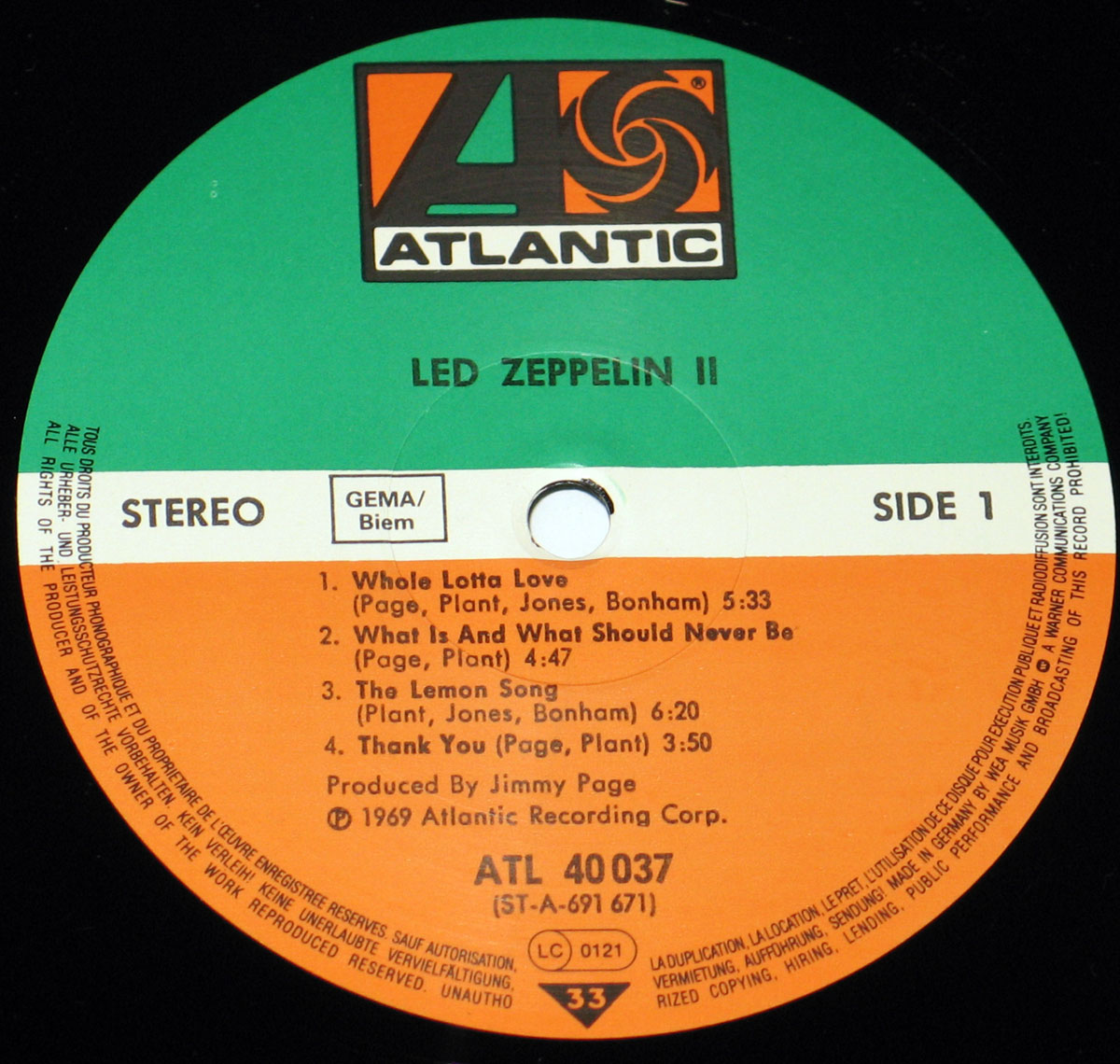
Led Zeppelin II was a sonic masterpiece that showcased the band's virtuosity and innovation. Produced by Jimmy Page, the guitarist and visionary behind Led Zeppelin, the album was recorded during breaks in the band's hectic touring schedule. This unconventional approach to production lent an authentic and spontaneous quality to the music.
The recording sessions took place at various studios, including Olympic Studios in London and Juggy Sound Studio in New York. Page, who had a reputation for meticulous attention to detail, played a crucial role in crafting the album's distinctive sound. His use of innovative recording techniques, such as layering guitar tracks, contributed to the album's unique and groundbreaking character.
Musical Fusion:
Led Zeppelin II seamlessly blended hard rock and blues-rock influences, creating a genre-defying sound that resonated with a diverse audience. The opening track, "Whole Lotta Love," with its iconic riff and Robert Plant's electrifying vocals, exemplifies the album's fusion of bluesy roots and hard-hitting rock.
Tracks like "Heartbreaker" and "Living Loving Maid (She's Just a Woman)" showcased the band's instrumental prowess, with Page's guitar solos and John Bonham's thunderous drumming leaving an indelible mark. The blues-infused "Bring It On Home" served as a homage to the band's roots while pushing the boundaries of traditional blues.
Led Zeppelin II: Forged in the Fires of Success
Led Zeppelin II is a testament to both the raw power of rock 'n' roll and the relentless forces of creative work under pressure. When their self-titled debut exploded onto the scene in early 1969, the band found themselves catapulted into a whirlwind of surprise stardom and relentless touring. With barely a moment to catch their breath, Atlantic Records demanded a follow-up, eager to capitalize on their new heavy-hitting act.
What emerged from this creative crucible wasn't a calculated sequel, but rather a snapshot of a band evolving at breakneck speed. Led Zeppelin's chemistry wasn't born in the studio, but on stage. Their musical ideas blossomed from relentless jamming, with Jimmy Page's riffs morphing and growing through countless live performances. The iconic "Whole Lotta Love," perhaps the album's defining track, began its life as part of a sprawling, improvised "Dazed and Confused."
Forced by their schedule, the recording process for Led Zeppelin II was a whirlwind patchwork. The band snatched moments in studios across the globe – London, Vancouver, Los Angeles – whenever they had breaks in their tour schedule. This unconventional approach lends the album a raw urgency; you can practically hear the exhaustion from the road seeping into the explosiveness of the performances.
Eddie Kramer, their engineer, was essential in capturing this raw energy and molding it into a cohesive sonic force. His innovative techniques for the time shaped the band's sound we know and love. Led Zeppelin II isn't just heavier than their debut; it's bolder, more experimental, the product of musicians forced to refine and sharpen their sound under immense pressure.
The result was a defining album, one that cemented Led Zeppelin's place at the forefront of hard rock. It served as a testament to the relentless creative flow that can emerge even under the most demanding circumstances.