In the world of rock and roll, 1979 was a year of upheaval. Punk's initial fury had subsided into a thousand splintered subgenres, disco was gasping its last breath on the dance floors, and the bloated behemoths of the previous decade were struggling to stay relevant. Amidst this turmoil, Led Zeppelin, the undisputed titans of '70s hard rock, unleashed their eighth studio album, "In Through the Out Door". It was a record that defied expectations, a swan song that hinted at both the band's exhaustion and their enduring creative spirit.
"In Through the Out Door" arrived three years after its predecessor, *Presence*, an eternity in the fast-paced world of rock. The intervening years had been marred by tragedy and personal struggles. Robert Plant had lost his young son, Karac, in 1977, plunging him into a period of deep grief. Drummer John Bonham's alcoholism was spiraling out of control, and guitarist Jimmy Page's heroin addiction was taking its toll. The band's once-unstoppable momentum had been severely disrupted.
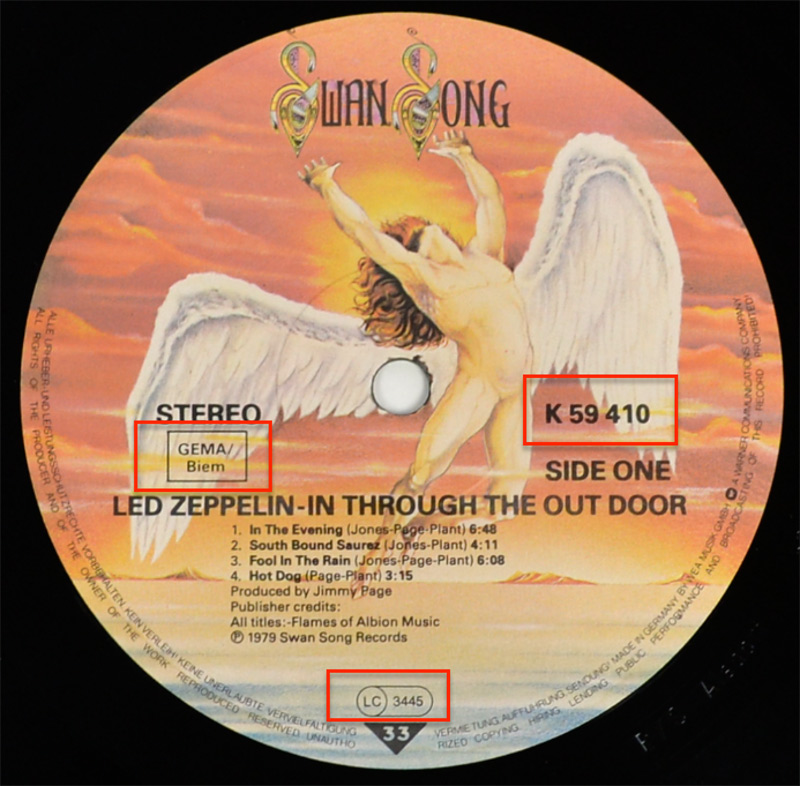
Recorded in just three weeks at ABBA's Polar Studios in Stockholm, "In Through the Out Door" was a departure from Zeppelin's usual bombast. The album's sound was leaner, more textured, and infused with a melancholic undercurrent. Page's guitar, once a roaring leviathan, was often relegated to the background, replaced by keyboards and synthesizers. John Paul Jones, the band's unsung hero, stepped into the spotlight, his bass lines and keyboard work driving many of the album's most memorable moments.
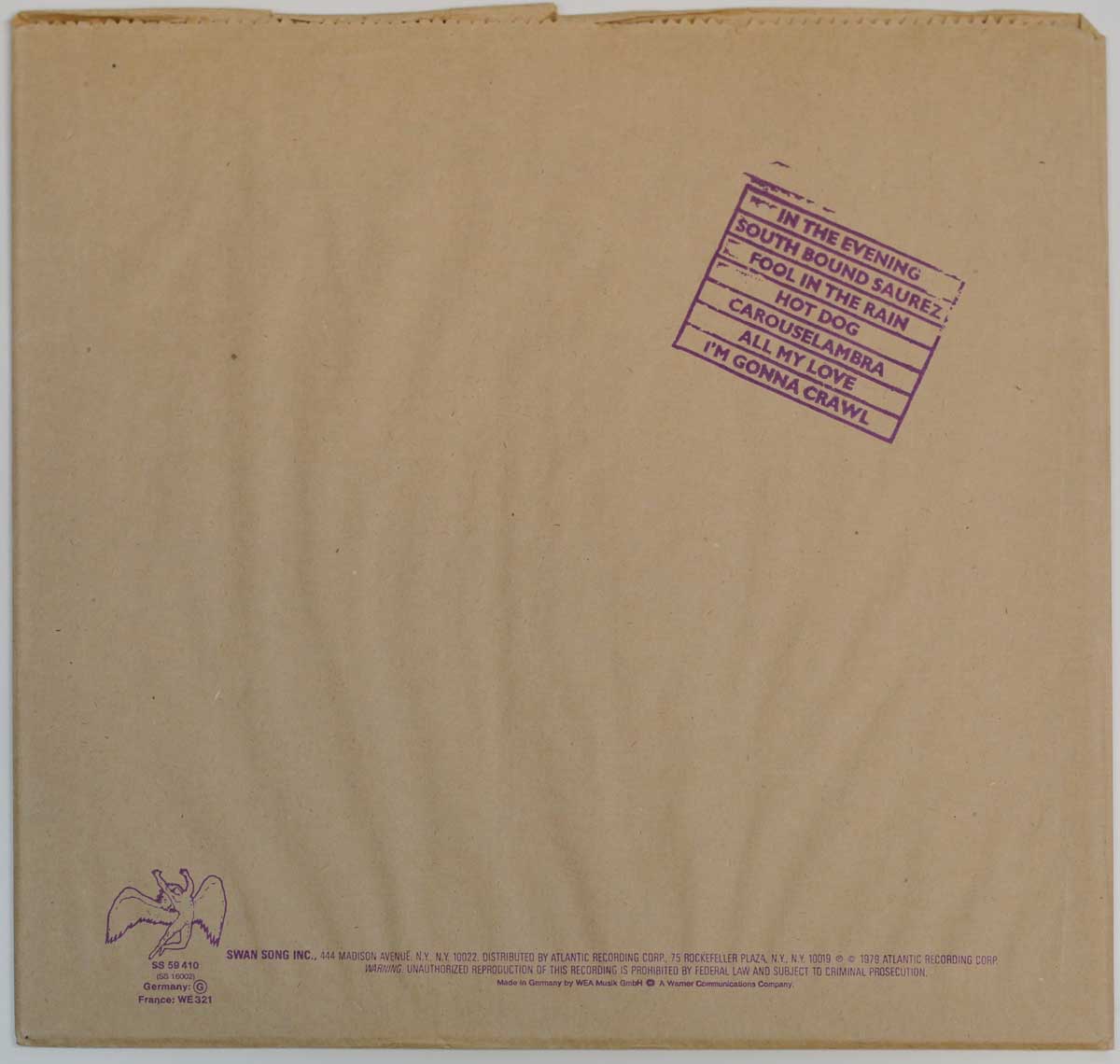
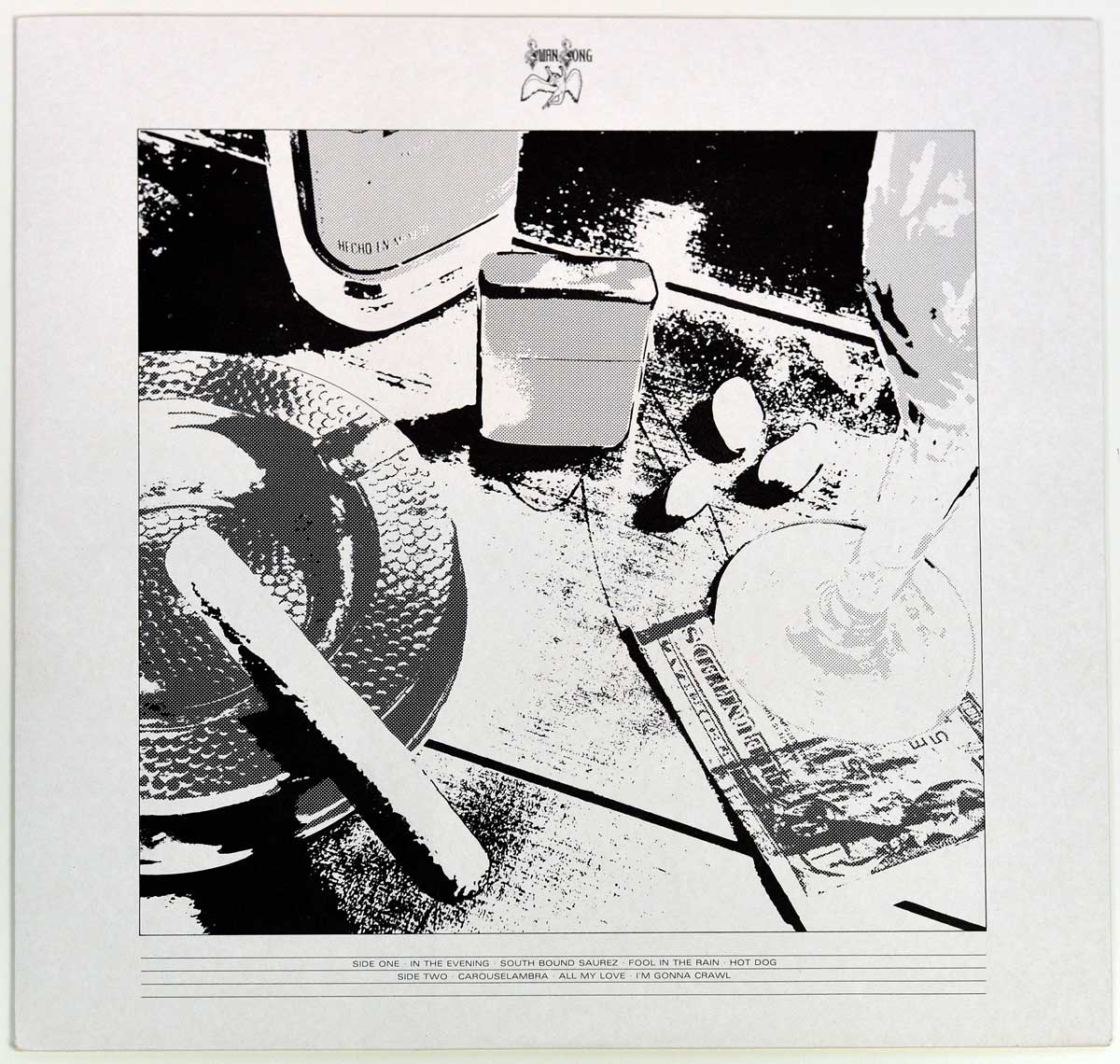
The album's opener, "In the Evening," set the tone with its brooding atmosphere and ominous lyrics. Plant's voice, once a banshee wail, was now tinged with a weary gravitas. The song's centerpiece was Page's searing guitar solo, a reminder that even in their twilight years, Zeppelin could still summon the elemental power that had made them legends.
"South Bound Saurez" and "Fool in the Rain" showcased the band's newfound love for Latin and funk rhythms. These tracks were a far cry from the blues-rock stomp of their early years, but they were undeniably Zeppelin, infused with a swagger and confidence that few other bands could match. **"Fool in the Rain," in particular, became a radio staple, its infectious groove and Bonham's intricate drumming captivating listeners.**
"Hot Dog" was a playful detour into rockabilly, a nod to the band's roots. It was a welcome burst of energy amidst the album's more introspective moments. "Carouselambra" was the album's centerpiece, a sprawling, ten-minute epic that showcased the band's ability to create complex, multi-layered soundscapes. It was a testament to their enduring ambition, even as their personal lives were crumbling. **"Carouselambra" remains a divisive track, with some fans embracing its experimental nature and others finding it bloated and self-indulgent.**
"All My Love" was the album's emotional core, a poignant ballad written by Plant and Jones in memory of Karac. It was a moment of raw vulnerability, a glimpse into the band's collective heartache. **The song's sincerity and Plant's heartfelt vocals resonated with listeners, making it one of the album's most beloved tracks.** The album's closer, "I'm Gonna Crawl," was a bluesy lament that captured the band's exhaustion and resignation. It was a fitting end to an album that was both a triumph and a farewell.
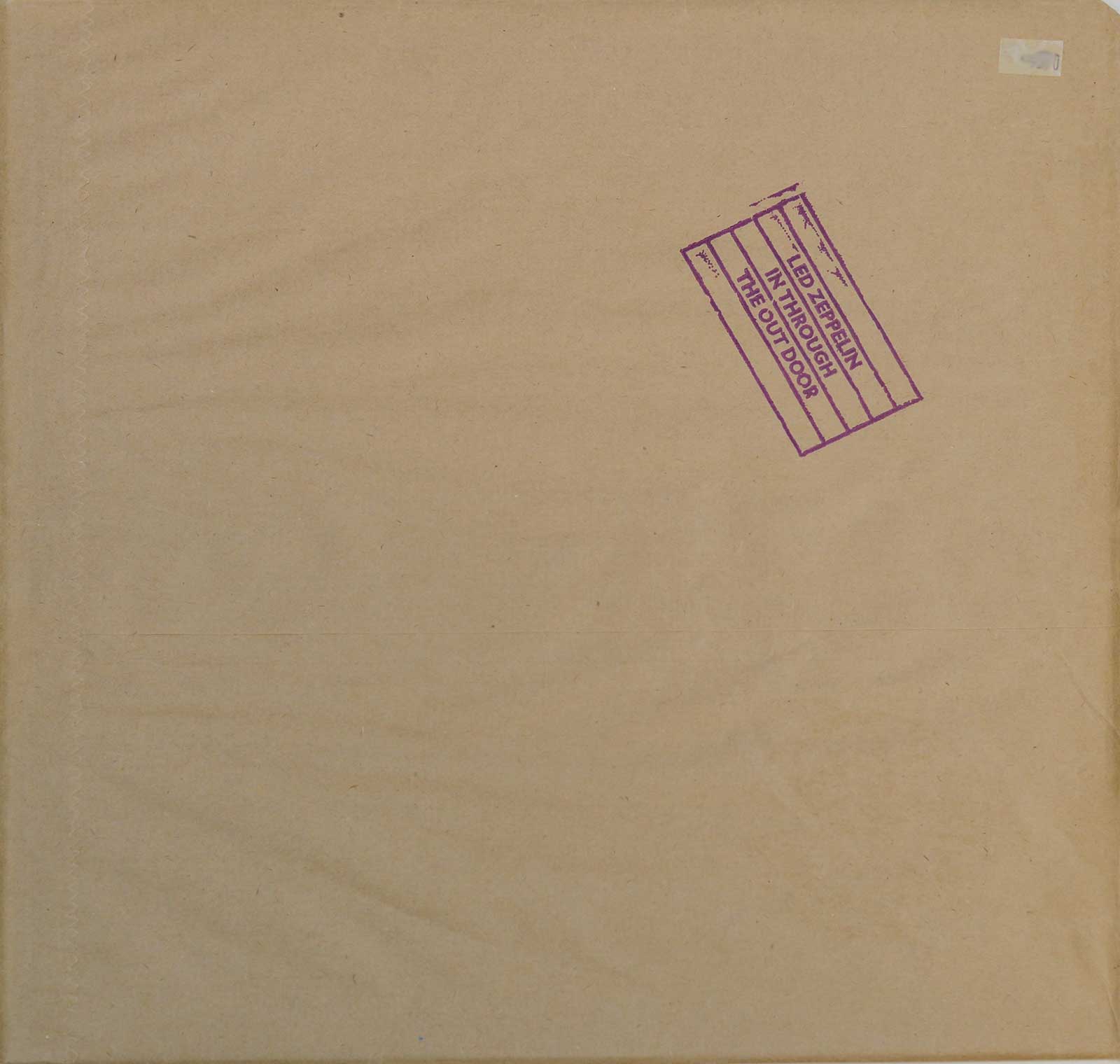
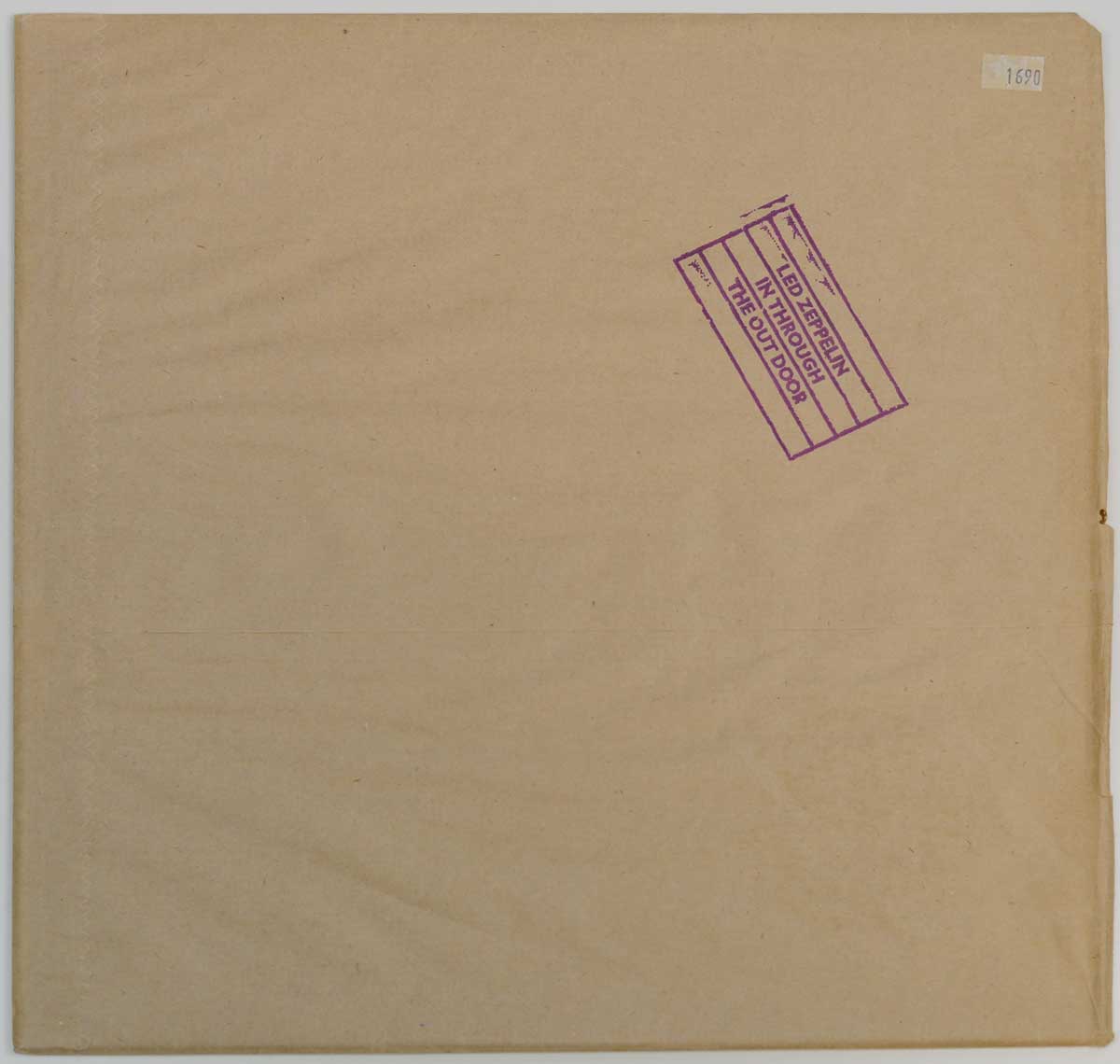
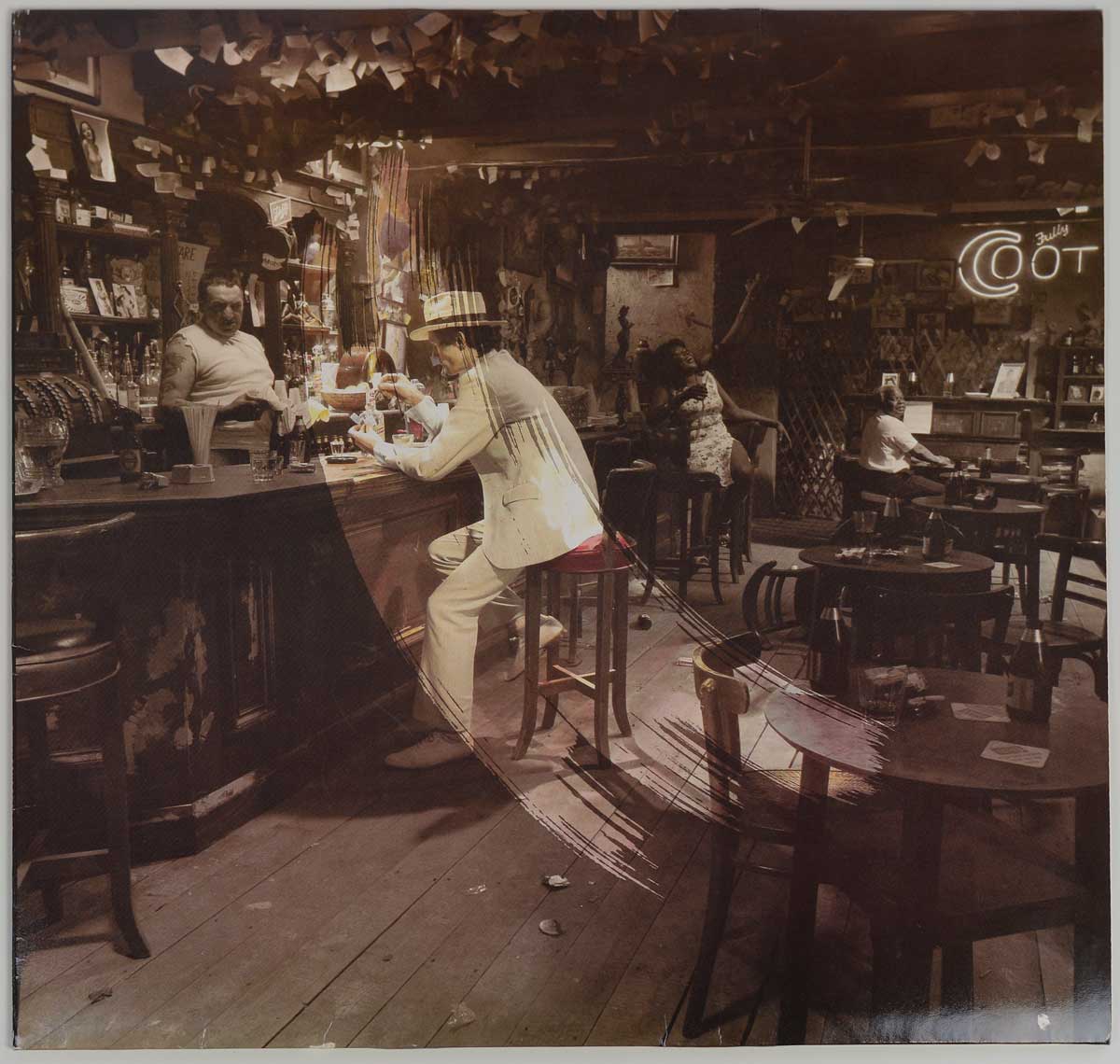
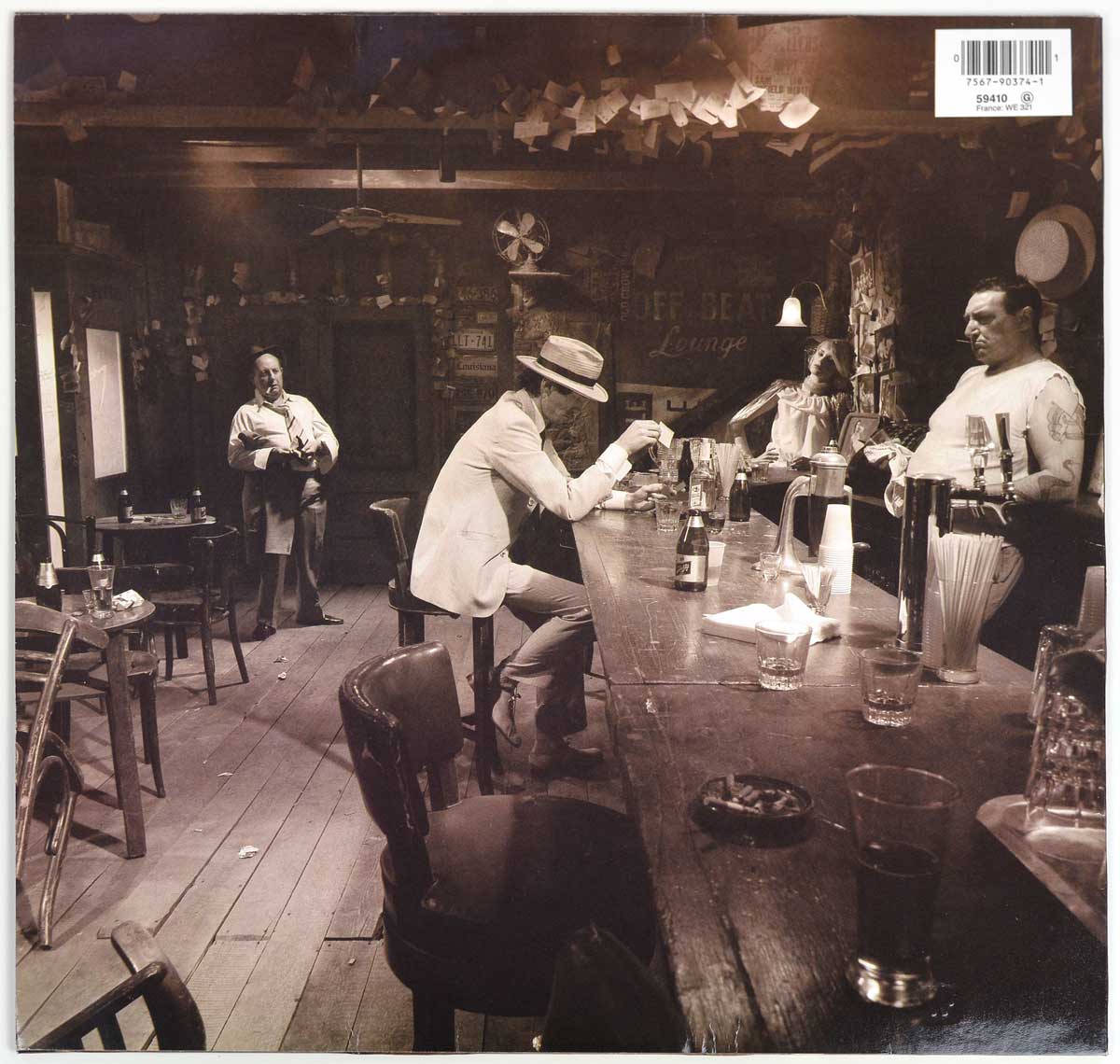
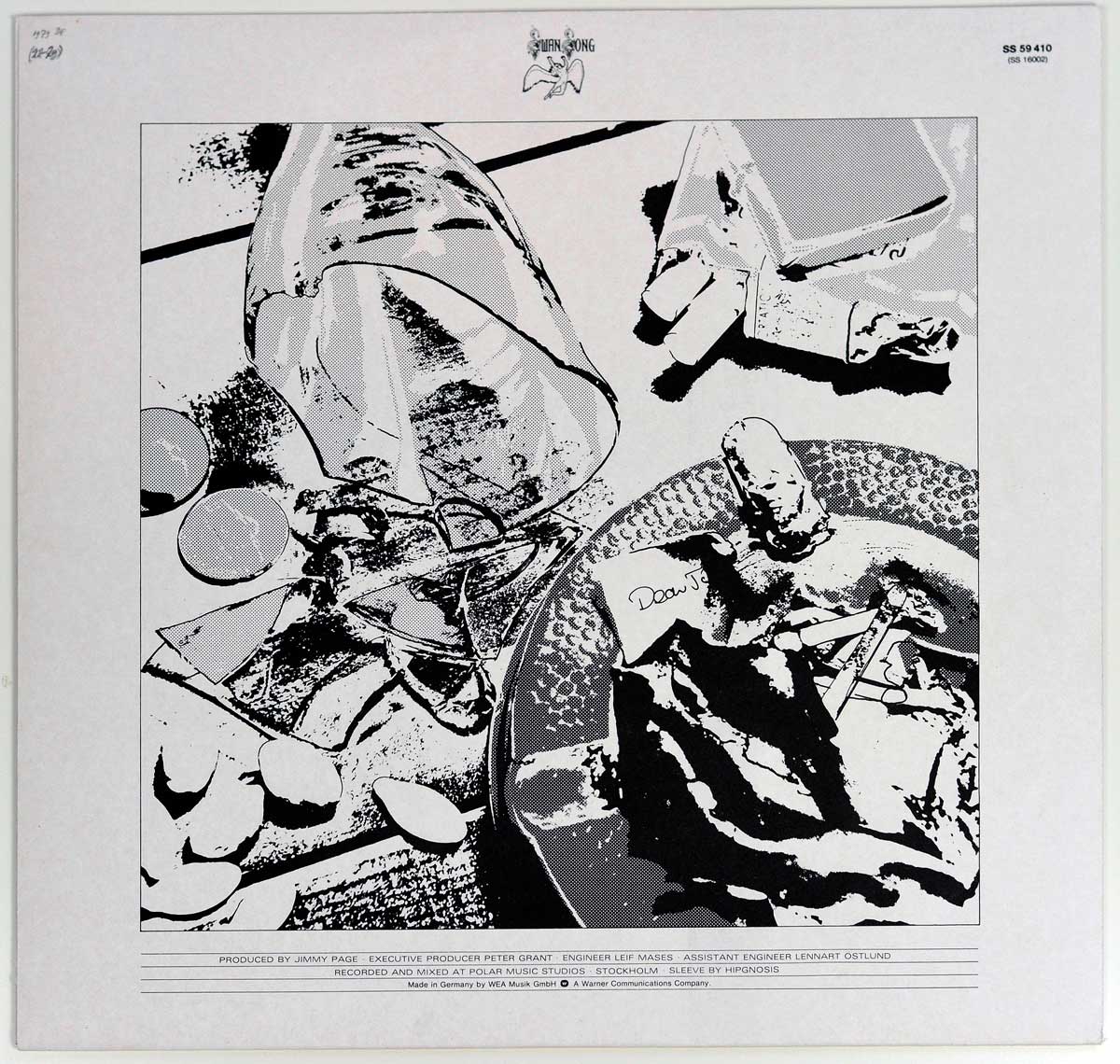
"In Through the Out Door" was met with mixed reviews upon its release. Some critics praised its experimentation and maturity, while others lamented the absence of the band's trademark swagger. The album was a commercial success, topping the charts in both the UK and the US. However, it was clear that Zeppelin was no longer the invincible force they once were. **The album's cover art, featuring six different sepia-toned photographs of the same scene from various perspectives, also generated buzz and became iconic in its own right.**