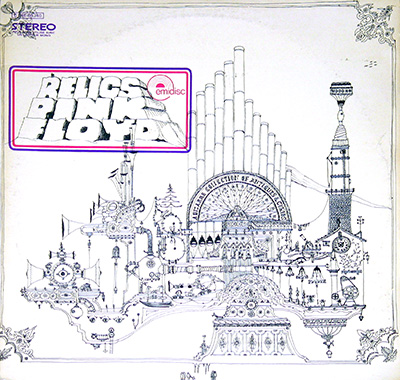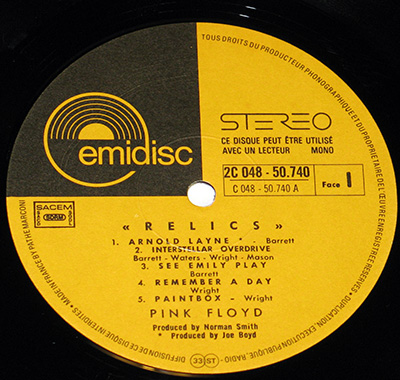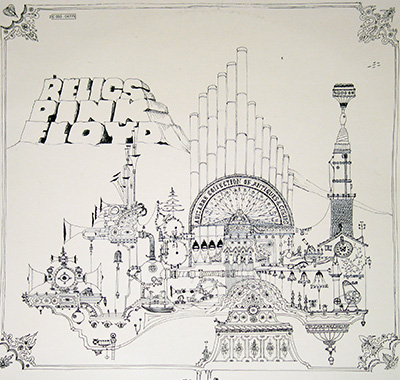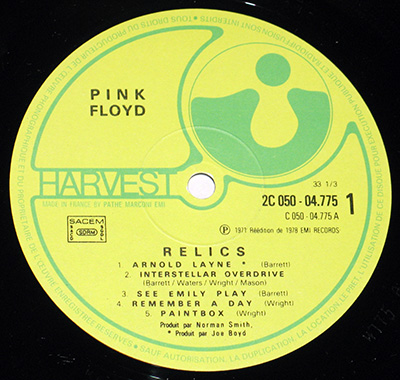
"Relics" (1971) Album Description:
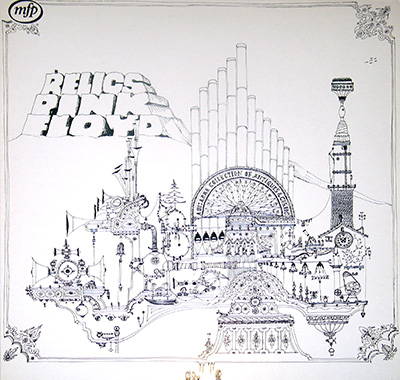
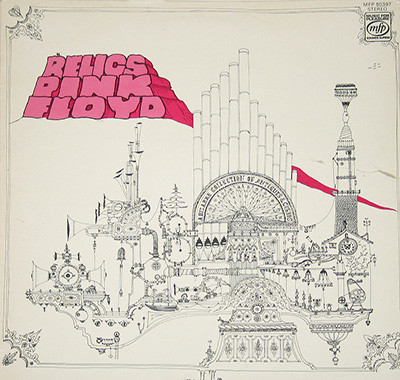
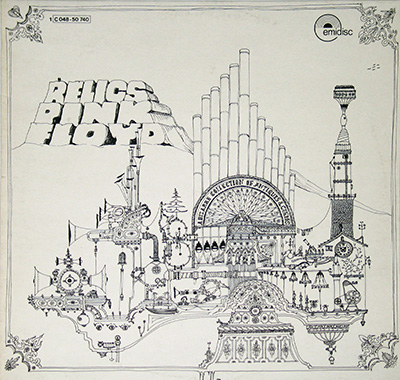
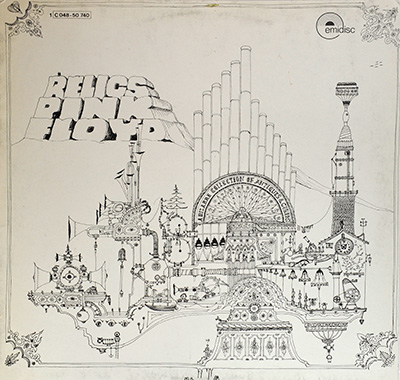
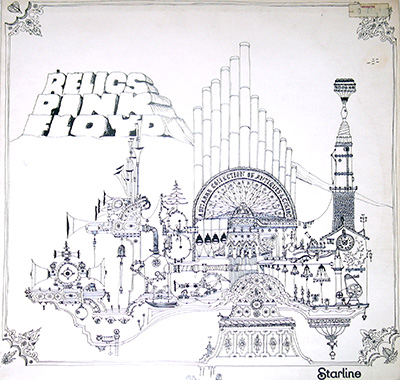
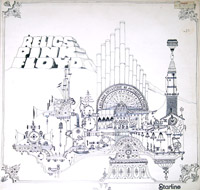
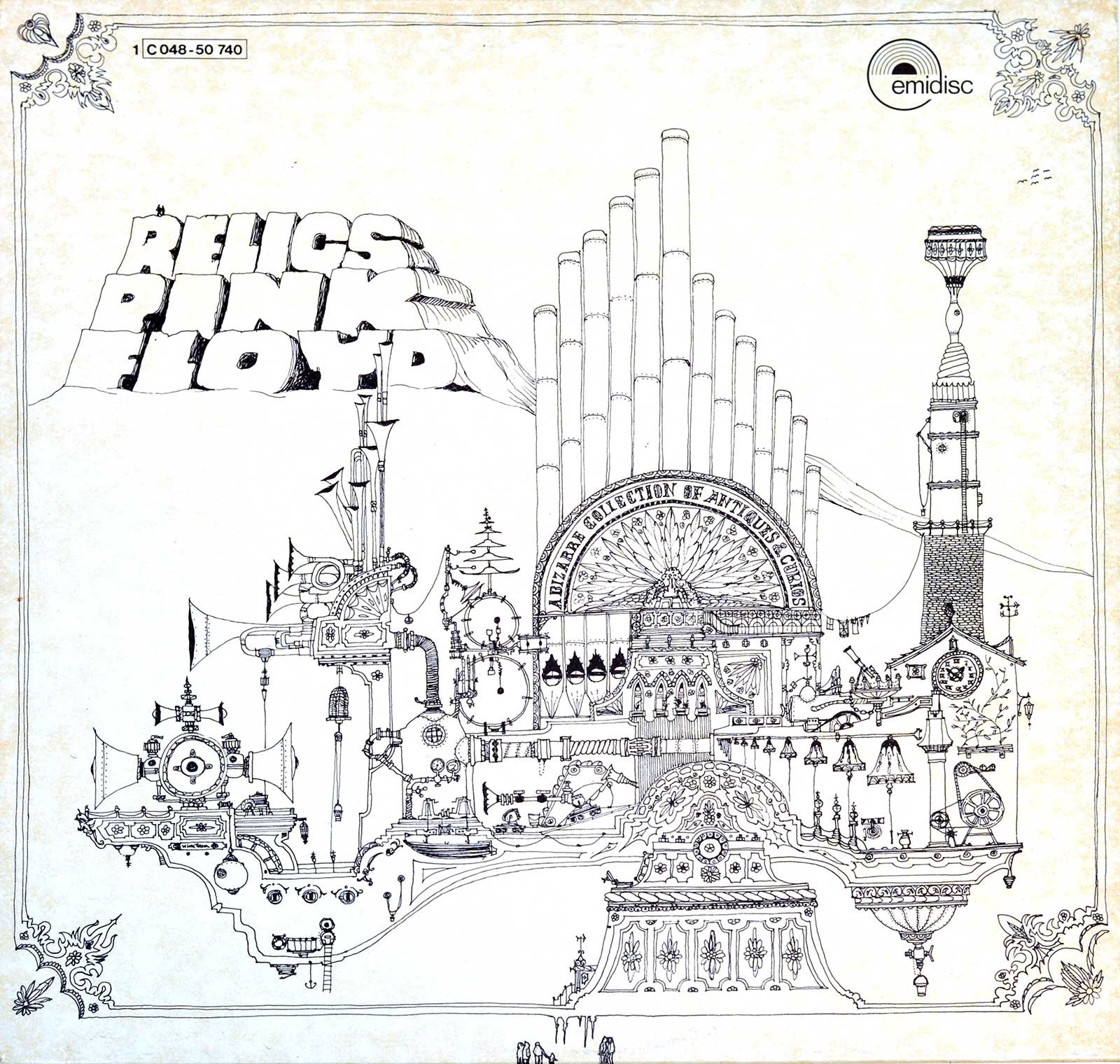
I first met "Relics" the way most of us do: half-hidden in a bargain bin, looking smug about it. Not a “proper” studio album, not quite a greatest-hits either — more like a drawer full of odd tools you didn’t know you needed. That Nick Mason cover doodle feels like an inside joke you’re not supposed to get on the first look. Which, frankly, is very early Pink Floyd.
"Relics" drops in May 1971, right in that restless stretch where the band are touring hard and the next big statement is still in the oven. It’s a compilation, yes, but it doesn’t behave like a tidy “here’s what you missed” package. It behaves like Pink Floyd: slightly sideways. A budget-friendly snapshot that still manages to feel slippery.
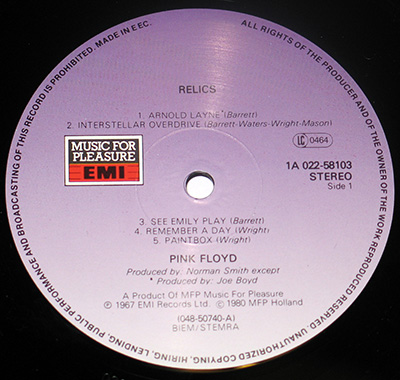
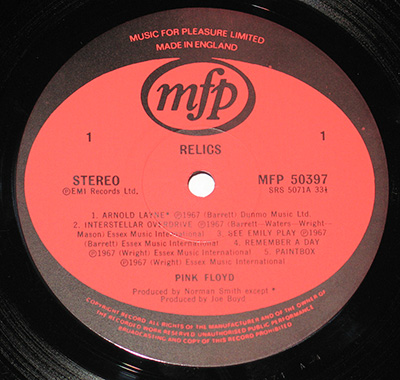
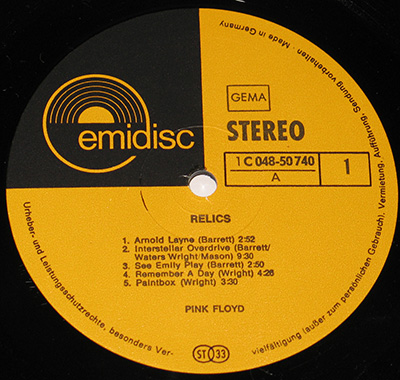
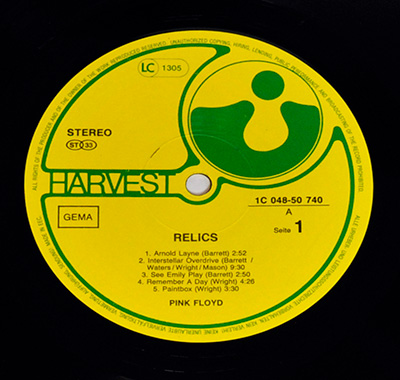
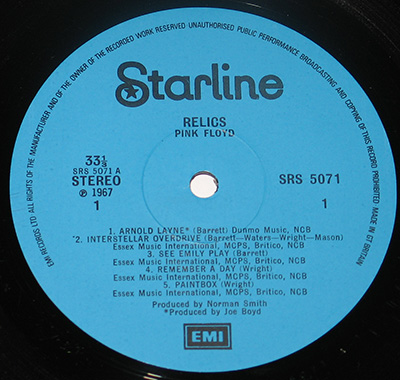
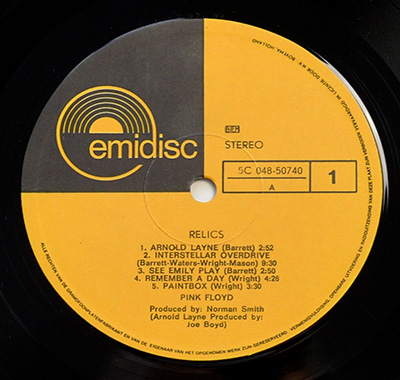
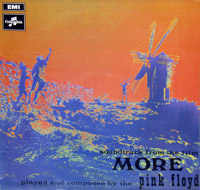
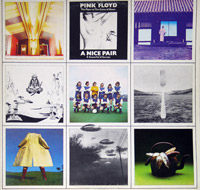
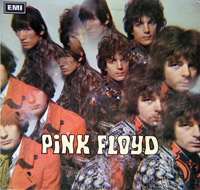
The track choice tells you exactly what kind of band this was before stadium laser shows became a full-time job. Syd’s pop-psych troublemaking is here with "Arnold Layne" and "See Emily Play" — short songs that grin like they’re hiding something in their pockets. Then you get the longer spells: "Interstellar Overdrive" stretching out, refusing to sit still, like "The Piper at the Gates of Dawn" trying to melt the turntable. And it doesn’t stop at the first two LPs either: cuts like "Cymbaline" and "The Nile Song" drag in the darker corners from "More", while "Biding My Time" slips in as an otherwise unreleased studio track — the kind of thing that makes collectors stop flipping and actually read the back cover.
Collector reality check: "Relics" is not the full singles-and-B-sides holy grail. It gives you some crucial pieces (and a few lovely oddities), but it also leaves gaps that will annoy you the moment you notice them. That’s part of the charm and part of the trap. You buy "Relics" and think you’re done, then you’re back on the hunt because the band’s early catalogue is basically designed to keep you poor and curious.
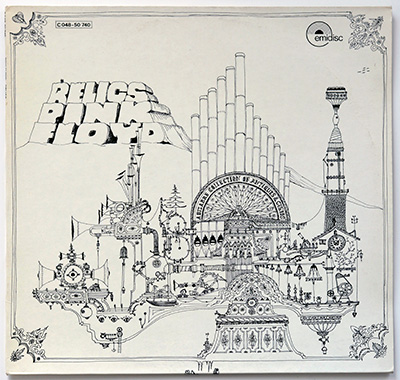
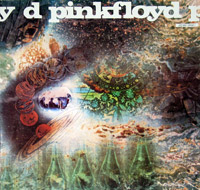
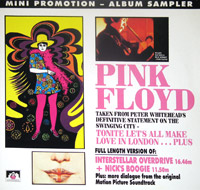
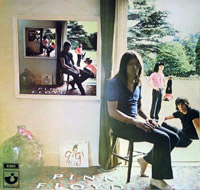
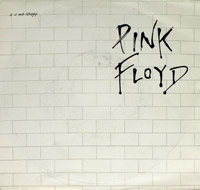
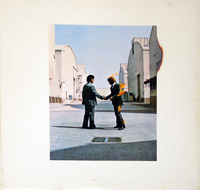
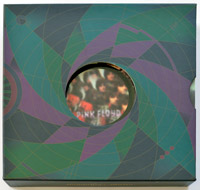
And then there’s the sleeve madness. The original concept comes from Nick Mason, but once you start looking across countries and reissues, you’ll notice how often the artwork shifts, gets reinterpreted, recoloured, or swapped outright. Some editions keep the spirit; some look like they wandered in from a different record entirely. The 1996 reissue even turns the drawing into a physical model idea for the cover. Same joke, different delivery — and collectors, being collectors, chase both.
References
- Pink Floyd (official): "Relics" album page
- Wikipedia: "Relics" (album) overview, track list, reissue notes
- Discogs: "Relics" master release (country variants and editions)
- Vinyl-records.nl: high-resolution "Relics" cover photos (collector archive)
Bottom line: I don’t play "Relics" when I want the “best” Pink Floyd. I play it when I want the early Floyd — the cramped clubs, the odd angles, the feeling that the band might veer off the road at any moment and call it art. It’s not polished. It’s not fair. It’s a lovely mess.